
Academic Journal of Modern Philology
metrics 2024
Connecting Scholars Through Innovative Research
Introduction
Welcome to the Academic Journal of Modern Philology, a premier platform dedicated to advancing the field of philology and linguistics. Published by the esteemed Committee Philology Polish Academy of Sciences, Wroclaw Branch, this open-access journal has been committed to disseminating high-quality research since 2014, ensuring widespread access and engagement within the scholarly community. With an ISSN of 2299-7164 and an E-ISSN of 2353-3218, the journal invites contributions that push the boundaries of contemporary philological inquiry, bridging traditional scholarship with modern linguistic challenges. Situated in Poland's vibrant academic milieu, it aims to foster interdisciplinary dialogue while highlighting the importance of philology in understanding cultural and linguistic diversity. Researchers, professionals, and students alike will find a wealth of insightful articles that contribute to the evolving landscape of modern language studies.
Metrics 2024
 -0.100.10-
Metrics History
Rank 2024
JCI (Web Of Science)
Quartile History
Similar Journals

Jordan Journal of Modern Languages & Literature
Exploring the Depths of Linguistics and LiteratureJordan Journal of Modern Languages & Literature is a prestigious academic journal published by Yarmouk University, Deanship of Research & Graduate Studies. This journal serves as a vital platform for scholars and researchers in the fields of linguistics and literature, offering a well-rounded examination of modern languages and literary theory. With an impressive Q2 ranking in Linguistics and Language and a Q1 distinction in Literature and Literary Theory as of 2023, it consistently features high-quality research that contributes to the advancement of knowledge in these domains. The Scopus rankings further reflect its academic rigor, placing it in the 79th percentile for Literature and Literary Theory and maintaining significant influence in related fields, making it an essential resource for researchers, professionals, and students alike. Although it does not operate under an open-access model, the journal's commitment to publishing groundbreaking studies can significantly aid in the understanding and progression of modern linguistic and literary practices. The Jordan Journal of Modern Languages & Literature continues to be an influential voice in fostering scholarly dialogue and advancing research in the humanities.

Anales de Filologia Francesa
Igniting Passion for French Philology and LinguisticsAnales de Filologia Francesa is a prominent academic journal dedicated to the fields of French philology, linguistics, and literature, published by UNIV MURCIA. Since its transition to open access in 1985, this journal has enabled a wider dissemination of knowledge, fostering scholarly communication among researchers, professionals, and students alike. Based in Spain, Anales de Filologia Francesa plays a pivotal role in addressing current issues and advancements within its scope, underscored by its notable rankings within the Scopus database, where it places in the second and third quartiles across various disciplines related to literature and linguistics. With a commitment to publishing high-quality research, this journal is essential for those looking to engage with cutting-edge studies in French literary theory, language use, and educational practice.

Cuadernos de Filologia Clasica-Estudios Latinos
Advancing Classical Philology with Rigorous ScholarshipCuadernos de Filologia Clasica-Estudios Latinos is a distinguished academic journal dedicated to the field of classical philology, with a particular emphasis on Latin studies. Published by UNIV COMPLUTENSE MADRID, SERVICIO PUBLICACIONES, this journal serves as a vital platform for scholars, educators, and students interested in the rich legacy of Latin literature and its linguistic intricacies. The journal, identifiable by its ISSN 1131-9062 and E-ISSN 1988-2343, aims to foster scholarly dialogue through the publication of innovative research articles, critical essays, and book reviews that advance knowledge within this specialized discipline. Although it operates under a non-open access model, its contributions are invaluable, enriching the academic community's understanding of classical texts and their contemporary significance. Through its rigorous scholarship and commitment to excellence, Cuadernos de Filologia Clasica-Estudios Latinos positions itself as an essential resource for anyone invested in the study of classical languages and literatures.

Studia Universitatis Babes-Bolyai Philologia
Exploring the Depths of Philological ScholarshipWelcome to Studia Universitatis Babes-Bolyai Philologia, a distinguished journal published by UNIV BABES-BOLYAI, which has proudly embraced Open Access since 2021. With an ISSN of 1220-0484 and an E-ISSN of 2065-9652, this journal serves as a vital platform for scholars in the field of philology, offering a rich repository of contemporary research and innovative thought. Hailing from the vibrant academic community of Cluj-Napoca, Romania, the journal aims to foster interdisciplinary dialogue and promote cutting-edge studies that explore linguistic, literary, and cultural dynamics across the globe. By providing unrestricted access to its content, Studia Universitatis Babes-Bolyai Philologia ensures that vital research is available to a worldwide audience, empowering researchers, professionals, and students to engage with and contribute to the ever-evolving discourse in philological studies.

LINGUA E STILE
Connecting Disciplines: Where Linguistics Meets PhilosophyLINGUA E STILE, published by SOC ED IL MULINO, is a distinguished academic journal based in Italy that delves into the intricate realms of linguistics, literature, and philosophy. With an ISSN of 0024-385X, this journal has been a vital platform for scholarly discourse since its inception, covering a broad spectrum of topics from linguistic theory to literary analysis. Although it currently holds a Q4 category ranking in 2023 across multiple disciplines—specifically in Linguistics and Language, Literature and Literary Theory, and Philosophy—it remains committed to fostering insightful contributions that challenge and expand conventional understanding in these fields. While it does not offer open access, the journal diligently focuses on publishing high-quality research that appeals to academics, professionals, and students alike. With the convergence of multi-disciplinary approaches, LINGUA E STILE is positioned to engage with contemporary debates and developments, enriching the academic landscape from its base in Bologna, Italy, and inviting contributions that exemplify the evolving intersections of language and thought.
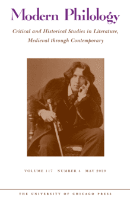
MODERN PHILOLOGY
Advancing Literary Theory Through Critical DiscourseMODERN PHILOLOGY is a distinguished academic journal published by the University of Chicago Press, dedicated to the exploration and advancement of knowledge in the fields of cultural studies, linguistics, and literary theory. Having commenced its publication in 1905, the journal continues to foster scholarly discourse and innovation through rigorous research and critical analysis, making it a vital resource for researchers, professionals, and students alike. With an ISSN of 0026-8232 and a commendable Scopus ranking, including a 69th percentile in Literature and Literary Theory, MODERN PHILOLOGY occupies a significant position within its respective quartiles (Q4) in the 2023 assessments. Although the journal does not currently offer open access, it remains a crucial platform for contributions that interrogate the complexities of language and literature. As a leading publication in its field, MODERN PHILOLOGY invites submissions that challenge conventional paradigms, encouraging a fresh examination of texts, contexts, and cultural phenomena from 1996 through 2024 and beyond.

Dicenda-Cuadernos de Filologia Hispanica
Innovating Research in the Heart of Hispanic StudiesDicenda-Cuadernos de Filologia Hispanica, published by UNIV COMPLUTENSE MADRID, SERVICIO PUBLICACIONES, is a distinguished academic journal in the fields of linguistics, literature, and literary theory. Since its transition to Open Access in 2017, it has facilitated unrestricted dissemination of knowledge, making it an invaluable resource for researchers, scholars, and students interested in the rich tapestry of Hispanic philology. With an impact factor reflected by its Scopus rankings—at Q3 in Linguistics and Language and Q2 in Literature and Literary Theory—Dicenda serves as a vital platform for innovative research and critical discourse. The journal actively encourages submissions that explore contemporary and historical perspectives within its scope. Located in Madrid, Spain, the journal has steadily established itself as a significant contributor to the ongoing dialogue in the humanities, fostering a deeper understanding of linguistic and literary phenomena.
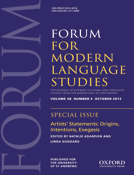
FORUM FOR MODERN LANGUAGE STUDIES
Fostering Scholarly Dialogue on Language and LiteratureFORUM FOR MODERN LANGUAGE STUDIES is a prestigious academic journal published by Oxford University Press that has been serving the fields of literature and linguistics since its inception in 1965. This journal, with an ISSN of 0015-8518 and an E-ISSN of 1471-6860, plays a crucial role in advancing scholarly discourse on modern language studies, including literature and literary theory. With an impactful presence in both the linguistic and literary domains, it has been recognized in 2023 with a category ranking of Q2 in Literature and Literary Theory and Q3 in Linguistics and Language. It stands out in the competitive landscape, holding a notable position within Scopus rankings, including a 70th percentile ranking in Literature & Literary Theory. While the journal currently does not offer open access options, it remains a vital resource for researchers, educators, and students passionate about the transformative power of language and literature. Its commitment to quality research and robust academic discussion underscores its importance, making it a key platform for those aiming to contribute to modern language scholarship.

Lingue Antiche e Moderne
Empowering Scholars to Share Linguistic DiscoveriesLingue Antiche e Moderne is an esteemed open-access academic journal dedicated to the study of ancient and modern languages, published by UNIV STUDI UDINE. Since its inception in 2012, the journal has provided a platform for researchers, professionals, and students to disseminate groundbreaking studies and interdisciplinary research in linguistics and philology. With a commitment to accessibility, Lingue Antiche e Moderne encourages the sharing of knowledge across a global audience, ensuring that innovative ideas and historical insights are readily available to all. The journal plays a crucial role in advancing our understanding of linguistic evolution and cultural interchange, making it a vital resource for anyone interested in the dynamics of language through time. The ISSN for the journal is 2281-4841, ensuring its recognition in the academic community. Researchers and contributors are invited to engage with this vibrant discourse while enriching their own scholarly endeavors.

Naslede
Empowering researchers through peer-reviewed excellence.Naslede is a distinguished scholarly journal published by the University of Kragujevac, Faculty of Philology and Arts. With an ISSN and E-ISSN of 1820-1768, it serves as a vital platform for the dissemination of research in the fields of philology, arts, and cultural studies. The journal aspires to foster academic dialogue and scholarly exchange, providing researchers, professionals, and students with access to high-quality, peer-reviewed articles that explore the intersections of language, literature, and artistic expression. While it currently does not offer open access options, the significance of Naslede within its field cannot be overstated, as it contributes to the broader academic community by highlighting innovative research and emerging trends in the humanities. Located in Kragujevac, Serbia, the journal is positioned to bridge local and international scholarship, making it an essential resource for those dedicated to advancing knowledge in these disciplines.