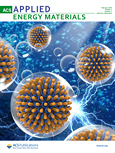
ACS Applied Energy Materials
metrics 2024
Elevating the Science of Energy Materials
Introduction
ACS Applied Energy Materials, published by the American Chemical Society, is a premier journal dedicated to the cutting-edge fields of energy materials, chemical engineering, and electrochemistry. With an impressive impact factor and consistently ranked in the Q1 category across multiple disciplines—including Chemical Engineering, Electrical and Electronic Engineering, and Materials Chemistry—this journal serves as a pivotal platform for researchers and professionals focused on innovative solutions for energy systems and materials science. Since its inception in 2018, ACS Applied Energy Materials has been committed to disseminating high-quality research that addresses pressing energy challenges, promoting sustainability and efficiency in various applications. Its competitive Scopus rankings reflect the journal's influence and relevance within the academic community, making it an essential resource for anyone looking to stay at the forefront of energy materials research.
Metrics 2024
 1.475.405.9087
Metrics History
Rank 2024
Scopus
IF (Web Of Science)
JCI (Web Of Science)
Quartile History
Similar Journals

Energy Material Advances
Driving Progress in Fuel Technology and SustainabilityEnergy Material Advances, published by the American Association for the Advancement of Science, stands at the forefront of energy research, showcasing groundbreaking studies in the realm of renewable energy, fuel technology, and materials science. With the journal's commitment to open access since 2020, it aims to democratize knowledge and foster innovation across a global community of researchers, professionals, and students. The journal boasts an impressive impact factor, placing it firmly within the Q1 category across multiple disciplines including Energy (miscellaneous), Fuel Technology, and Renewable Energy, Sustainability and the Environment, highlighting its significance in advancing scholarly discussions. In the latest Scopus rankings, Energy Material Advances ranks among the top 10% of journals in its field, affirming its role as a pivotal resource for current and emerging trends in energy materials. The journal is dedicated to facilitating collaborative efforts and inspiring novel approaches to the challenges posed by energy sustainability and technological advancement.
Journal of Energy Chemistry
Exploring the Frontiers of Energy ChemistryThe Journal of Energy Chemistry, published by Elsevier, is a premier international journal that has established itself at the forefront of research in the fields of electrochemistry and energy technology. With an impressive impact factor, this journal is classified in the Q1 quartile across multiple categories including Energy Engineering and Power Technology, Fuel Technology, and Electrochemistry, underscoring its significant contribution to advancing knowledge and innovation in energy systems. Based in the Netherlands, the journal offers open access to its cutting-edge research, allowing for broad dissemination and engagement among researchers, professionals, and students alike. The scope of the journal spans crucial topics from chemical energy storage to sustainable energy solutions, making it an essential resource for those looking to understand and contribute to the evolving landscape of energy chemistry.
Journal of Electrochemical Energy Conversion and Storage
Innovating Electrochemical FrontiersThe Journal of Electrochemical Energy Conversion and Storage, published by ASME, is a premier platform for cutting-edge research in the fields of electrochemistry, energy engineering, and materials science. With an ISSN of 2381-6872 and an E-ISSN of 2381-6910, this journal aims to disseminate high-quality articles that contribute to the understanding and application of energy conversion and storage technologies. Notably recognized in the 2023 Category Quartiles as Q2 in multiple categories including Electronic, Optical and Magnetic Materials, Energy Engineering and Power Technology, and Mechanical Engineering, it reflects a strong academic impact within its field. The journal also boasts competitive Scopus rankings, highlighting its relevance and influence across disciplines. Operating under an open access model, the journal ensures that research findings are widely accessible, fostering collaboration and innovation among researchers, professionals, and students globally. As we move toward a more sustainable future, the Journal of Electrochemical Energy Conversion and Storage plays a critical role in advancing technologies that promise to reshape how we harness and utilize energy.
Fuel
Exploring the Future of Energy EngineeringFuel is a premier international journal published by Elsevier Science Ltd, showcasing critical advancements and insights in the fields of chemical engineering, energy engineering, power technology, and organic chemistry. With a significant history dating back to 1922 and continuous publication from 1970 to 2025, Fuel holds an impressive position in the academic community, reflected in its top-tier rankings—Q1 in multiple categories including Fuel Technology and Chemical Engineering for the year 2023. This journal is dedicated to exploring innovative research and application of fuel technologies, driving forward the dialogue on sustainable energy solutions. Researchers and professionals alike will find Fuel to be an essential resource, providing access to high-impact articles that contribute to advancements in methodologies and applications, while navigating the complexities of global energy challenges.
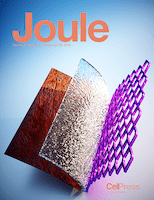
Joule
Exploring New Frontiers in Energy ScienceJoule, published by CELL PRESS, is a premier journal dedicated to the rapidly evolving field of energy research. Since its inception in 2017, Joule has established itself as a leading source of high-impact studies in energy, achieving an outstanding Q1 ranking in the Energy (miscellaneous) category and ranking #1 out of 73 in the general energy field, placing it within the 99th percentile according to Scopus metrics. The journal aims to advance the understanding of diverse energy forms and their applications, providing a platform for significant breakthroughs that can drive sustainable practices and innovative technologies. Through rigorous peer review and expert contributions, Joule serves as an invaluable resource for researchers, professionals, and students engaged in tackling some of the most pressing energy challenges of our time. Based in the United States, Joule continues to foster collaboration and interdisciplinary approaches in energy research, striving to illuminate pathways toward a sustainable future.

Electrochemical Energy Reviews
Exploring the Frontiers of Electrochemical ResearchElectrochemical Energy Reviews, published by SpringerNature, serves as an essential platform for the dissemination of cutting-edge research in the fields of electrochemistry, material science, and energy engineering. With an impressive impact factor and ranked in the Q1 category across multiple disciplines including Chemical Engineering and Energy Technology, this journal highlights its commitment to advancing knowledge and innovation within the energy sector. Operating since 2018, the journal not only provides a valuable resource for researchers and professionals but also invites contributions from students and emerging scholars interested in the pivotal role of electrochemical processes in sustainable energy solutions. Published in Germany and widely accessible to the global research community, Electrochemical Energy Reviews is an indispensable reference for those keen on exploring the future of energy technologies.
Materials Today Physics
Connecting Academics and Industry for a Greener TomorrowMaterials Today Physics, published by Elsevier, is a prestigious journal that focuses on the interdisciplinary field of materials science, physics, and energy innovations. With an impressive impact factor and a Q1 ranking in three categories—Energy (miscellaneous), Materials Science (miscellaneous), and Physics and Astronomy (miscellaneous)—it stands out as a key platform for disseminating high-quality research. The journal, which has been in circulation since 2017, provides a vital resource for academics and industry professionals alike, facilitating the exchange of knowledge and driving advancements in materials research. Available in both traditional and open-access formats, Materials Today Physics aims to publish cutting-edge research articles that push the boundaries of material properties and their applications, thereby contributing to the development of sustainable technologies and energy solutions. With a commitment to excellence, this journal offers a robust avenue for researchers to share their findings with a global audience, making it an essential tool for those engaged in the rapidly evolving fields of physics and materials science.
Journal of Alloys and Compounds
Pioneering Discoveries in Alloys and CompoundsJournal of Alloys and Compounds, published by Elsevier Science SA, stands at the forefront of materials research, focusing on the properties, applications, and innovations within alloys and compounds. With an impressive impact factor and prestigious rankings placing it in the Q1 quartile across multiple related categories—including Materials Chemistry, Mechanical Engineering, and Mechanics of Materials—this journal is recognized for its significant contributions to the field. Researchers and professionals engaged in metallurgy, materials science, and engineering will find it a critical resource that encompasses groundbreaking studies, insightful reviews, and essential findings. The journal has a strong influence, as evidenced by its Scopus rankings—ranking 14th in Metals and Alloys and 28th in Mechanics of Materials, indicating a robust global impact. As it continues to publish cutting-edge research from 1991 to 2024, the Journal of Alloys and Compounds serves as a vital platform for the exchange of knowledge, thereby advancing our understanding of complex materials and fostering innovation in diverse applications.
Materials Today Energy
Pioneering Research at the Intersection of Materials and EnergyMaterials Today Energy is a premier journal published by Elsevier, focusing on the interdisciplinary field of energy materials. With an ISSN of 2468-6069, the journal is renowned for its impactful research as evidenced by its impressive Q1 quartile rankings in multiple categories including Energy Engineering and Power Technology, Fuel Technology, and Renewable Energy. It stands out with strong Scopus rankings, highlighting its significance in the respective research communities, such as being ranked 3rd in Nuclear Energy and Engineering. Established from 2016 to 2024, the journal aims to provide a platform for innovative research that addresses the global demands for sustainable energy solutions. Although it is not open access, Materials Today Energy is accessible to a broad audience, encouraging collaborations among researchers, professionals, and students in the pursuit of advancing materials science and energy technologies. This makes it an essential resource for those looking to remain at the forefront of discoveries that shape the future of energy.
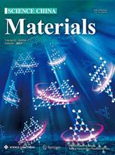
Science China-Materials
Connecting Global Minds in Materials Science.Science China-Materials is an esteemed peer-reviewed journal dedicated to advancing the field of materials science, published by SCIENCE PRESS. With a strong focus on innovative research and applications, this journal provides an essential platform for disseminating groundbreaking findings in materials development, characterization, and engineering. Since its inception, Science China-Materials has achieved an impressive Q1 ranking in the Materials Science (miscellaneous) category, reflecting its commitment to quality and the impact of its publications, as indicated by its 86th percentile ranking in Scopus. The journal is set to converge its contributions from 2016 to 2024, making it a vital resource for researchers and professionals interested in the latest advancements and trends in materials science. As an open access publication, it ensures that knowledge is freely available to a global audience, promoting collaboration and innovation across disciplines. The journal is headquartered in Beijing, China, and continues to attract high-quality submissions from leading experts in the field.