Acta Phytotaxonomica et Geobotanica
metrics 2024
Shedding Light on the Diversity of Plant Life
Introduction
Acta Phytotaxonomica et Geobotanica, published by the Japanese Society for Plant Systematics at the University of Tokyo, serves as a vital platform for advancing research in the fields of ecology, plant science, and biodiversity. With an ISSN of 1346-7565 and an E-ISSN of 2189-7042, this journal not only provides a comprehensive evaluation of current topics within these categories but also addresses the intricate connections between plant systems and their ecological environments. Although currently not open access, the journal is essential for researchers aiming to publish cutting-edge findings, contributing significantly to its classification within the Q3 quartile across multiple disciplines, including Ecology and Plant Science. With an ambitious focus on enhancing the understanding of plant taxonomy and geography through a convergence of research periods from 2014 to 2024, Acta Phytotaxonomica et Geobotanica plays a pivotal role in fostering academic discourse and innovation in plant systematics. Its geographical foundation in Japan enriches the journal's unique perspective on regional flora, making it an indispensable resource for students, researchers, and professionals in the field.
Metrics 2024
 0.280.300.408
Metrics History
Rank 2024
Scopus
IF (Web Of Science)
JCI (Web Of Science)
Quartile History
Similar Journals

European Journal of Taxonomy
Advancing biodiversity knowledge through open access.The European Journal of Taxonomy is a distinguished open access journal, published by the MUSEUM NATL HISTOIRE NATURELLE in France, dedicated to the rich and dynamic field of taxonomy, ecology, and systematics. Since its inception in 2011, this journal has aimed to provide a platform for the dissemination of high-quality research and innovative methods relevant to the study of biodiversity and species classification. With a commendable Q2 ranking in the Ecology, Evolution, Behavior and Systematics category as of 2023, the journal ranks 380 out of 721 in Scopus, highlighting its pivotal role in advancing scientific knowledge in these essential areas. Researchers and students alike will find valuable resources and contributions that address pressing ecological and evolutionary questions from 2015 to 2024. By promoting open access, the European Journal of Taxonomy ensures that vital research is accessible to a broader audience, fostering collaboration and discourse among professionals striving to enhance our understanding of the natural world.
ANNALS OF THE MISSOURI BOTANICAL GARDEN
Exploring the Frontiers of Plant Science and EcologyANNALS OF THE MISSOURI BOTANICAL GARDEN is a prestigious, peer-reviewed journal published by the Missouri Botanical Garden, focusing on the rich disciplines of Ecology, Evolution, Behavior, and Plant Science. With a storied history dating back to 1946, this journal has evolved to become a significant platform for scholars and professionals to disseminate research that informs global understanding of plant biology and conservation. Ranked in the Q2 category for both Ecology and Plant Science in 2023, it boasts commendable standings within the Scopus rankings, placing it in the 66th percentile for Plant Science and the 65th percentile for Ecology, Evolution, Behavior, and Systematics. The journal's commitment to rigorous scientific standards ensures that it remains a vital resource for those seeking to explore vital ecological and botanical research. As a product of the esteemed Missouri Botanical Garden, the journal serves researchers, professionals, and students alike, encouraging collaboration and innovation in the plant sciences community.
FLORA
Advancing Knowledge in Evolutionary BiologyFLORA is a distinguished journal published by Elsevier GmbH, focusing on the realms of Ecology, Plant Science, and Evolutionary Biology. Established in 1975, this journal has been a vital platform for researchers and professionals, disseminating groundbreaking findings and insights relevant to the plant sciences. With an impressive impact factor and a current Scopus ranking placing it in the second quartile (Q2) across multiple categories, FLORA is recognized as a critical resource for advancing knowledge in its respective fields. The journal publishes both traditional research articles and significant review papers, ensuring a broad spectrum of academic engagement. Although not open access, FLORA remains committed to enhancing the scientific discourse and fostering collaboration among scholars worldwide. Researchers seeking to enrich their understanding of ecological dynamics and plant biology will find FLORA to be an essential addition to their academic repertoire.
JOURNAL OF THE TORREY BOTANICAL SOCIETY
Exploring the intricate connections of plant life and ecosystems.JOURNAL OF THE TORREY BOTANICAL SOCIETY is a prominent academic journal dedicated to advancing the fields of botany and ecology, published by the esteemed TORREY BOTANICAL SOCIETY. With an ISSN of 1095-5674 and an E-ISSN of 1940-0616, this journal serves as a critical platform for researchers, professionals, and students to share their findings and insights. Despite its status in the Q4 category for the 2023 rankings across Ecology, Plant Science, and Ecology, Evolution, Behavior and Systematics, the journal continues to foster significant discourse and collaboration in the botanical sciences, aiming to elevate the understanding of plant biology and ecosystems. Its open access options enhance accessibility, ensuring that groundbreaking research reaches a wider audience. Published in the United States, the journal features work from both established scientists and emerging scholars, making it a vital resource for anyone involved in the study of plants and their environmental interactions. Explore the JOURNAL OF THE TORREY BOTANICAL SOCIETY to engage with cutting-edge research and contribute to the ongoing dialogue in the botanical sciences.
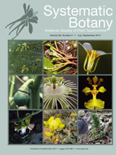
SYSTEMATIC BOTANY
Advancing the Frontiers of Plant TaxonomySystematic Botany, published by the American Society of Plant Taxonomists, is an esteemed journal focusing on the diverse fields of plant taxonomy, systematics, and evolution. With an ISSN of 0363-6445 and an E-ISSN of 1548-2324, this journal serves as a critical platform for researchers aiming to advance our understanding of plant biodiversity and evolutionary relationships. Operating since 1994, Systematic Botany has garnered significant recognition, achieving a Q2 ranking in Ecology, Evolution, Behavior and Systematics, and Plant Science categories, and ranking within the top half of Scopus for Genetics. The journal prioritizes publishing high-quality, peer-reviewed research, making it an essential resource for academics, practitioners, and students alike. Although it does not provide open access options, the journal's robust reputation in both American and international botanical research speaks to its pivotal role in disseminating vital scientific knowledge in the field. For those interested in the latest advancements in plant science, Systematic Botany is indispensable.
PERSOONIA
Advancing Knowledge in Ecology and Plant SciencePERSOONIA, a distinguished journal published by RIJKSHERBARIUM, serves as a pivotal platform for the dissemination of high-quality research in the fields of Ecology, Evolution, Behavior, and Systematics, as well as Plant Science. Established with a commitment to advancing scientific knowledge, PERSOONIA has achieved an impressive Q1 ranking in these areas, highlighting its significant impact within the academic community, as evidenced by its ranking of #12 out of 721 journals in its field, placing it in the top 2% of publications. With a publication history that spans from 1996 to present, the journal regularly features innovative studies that push the boundaries of understanding in ecological and botanical sciences. While Open Access options are currently limited, researchers and professionals alike benefit from subscription access to this vital resource. Located in the Netherlands, PERSOONIA continues to be a beacon for scholars aiming to enrich the discourse in evolving ecological and plant science disciplines.

Gorteria
Exploring the Depths of Botanical DiversityGorteria is a distinguished academic journal published by the Naturalis Biodiversity Center in the Netherlands, focusing on the rich field of plant science. With a publication history that spans from 1988 to 2020 and recently resuming in 2022, Gorteria serves as a critical platform for disseminating research findings, reviews, and insights in botanical studies. Although it is categorized within the Q4 quartile, it aims to elevate the understanding of plant biodiversity and ecology, playing a vital role in fostering academic discourse and encouraging the advancement of knowledge in the field. Researchers, professionals, and students will benefit from its curated content as it contributes to global biodiversity efforts and environmental sustainability. For those seeking to explore the latest discoveries in plant science, Gorteria offers a cohesive blend of rigorously reviewed articles that inform and inspire.
PLANT SYSTEMATICS AND EVOLUTION
Transforming Understanding of Plant LineagesPlant Systematics and Evolution is a prestigious journal published by Springer Wien, dedicated to advancing research within the fields of plant taxonomy, evolution, and ecology. With its ISSN 0378-2697 and E-ISSN 1615-6110, this journal has been pivotal in shaping the scientific landscape since its inception in 1974. Based in Austria, it occupies a significant position in the academic community, being ranked in the Q2 quartile in both Ecology, Evolution, Behavior and Systematics and Plant Science as of 2023. This high-impact journal is recognized for its rigorous peer-review process and is indexed among the top publications in its category, holding a Scopus rank of #176 out of 516 in Plant Science and #252 out of 721 in Ecology, highlighting its relevance and quality in the research community. Although it does not currently offer open access, the journal is committed to making significant contributions to the understanding of plant biodiversity and evolutionary processes. This makes it an essential resource for researchers, professionals, and students aiming to know the latest developments in the study of plant systematics and evolution.
SYSTEMATICS AND BIODIVERSITY
Pioneering insights in ecology, evolution, and plant science.Systematics and Biodiversity, published by Taylor & Francis Ltd, is a prominent academic journal that provides a vital platform for advancing research in the fields of ecology, evolution, and plant science. With an ISSN of 1477-2000 and an E-ISSN of 1478-0933, the journal has established itself as a reputable source of scholarly information since its inception in 2003, and continues to publish cutting-edge studies through 2024. Recognized for its rigorous peer-review process, it holds a prestigious position in academic circles, reflected by its Q2 ranking in Ecology, Evolution, Behavior and Systematics and Q1 ranking in Plant Science as of 2023. The journal's contributions are further characterized by its strong performance in Scopus rankings, placing it in the 69th and 68th percentiles in its respective categories. Researchers, professionals, and students alike will find invaluable insights and innovative methodologies within its pages, making Systematics and Biodiversity an essential resource for those dedicated to understanding the complexities of biological diversity and systematics. The journal's impact factors and commitment to high-quality research underscore its significance in shaping the future of ecological and botanical studies.
Botany Letters
Unlocking the Secrets of Plant Biodiversity and SustainabilityBotany Letters, published by Taylor & Francis Ltd, is a prominent journal in the field of Plant Science based in the United Kingdom. With its ISSN 2381-8107 and E-ISSN 2381-8115, the journal has established itself as an essential resource for researchers, professionals, and students alike, focusing on innovative studies and findings in botany. As a Q2 ranked journal in its category (2023) and holding a respectable Scopus rank of #200 out of 516 in Agricultural and Biological Sciences, it reflects a robust commitment to quality and relevance in the field. The journal's open access model ensures that groundbreaking research is readily accessible, fostering collaboration and knowledge sharing among the global scientific community. Covering a broad spectrum of topics within plant science from 2016, Botany Letters aims to catalyze advancements in the understanding and management of plant biodiversity and sustainability, ultimately contributing to conservation efforts and agricultural innovation.