
ACTA POLYMERICA SINICA
metrics 2024
Pioneering Insights in Polymers and Plastics
Introduction
ACTA POLYMERICA SINICA is a distinguished journal published by SCIENCE PRESS, specializing in the multifaceted disciplines of Chemical Engineering, Chemistry, and Polymers and Plastics. Established in 1996, this peer-reviewed journal provides a critical platform for the dissemination of cutting-edge research and advancements within these fields, promoting innovation and knowledge-sharing among researchers and professionals globally. With its presence in the highly competitive Q3 quartile rankings as of 2023, the journal demonstrates a commitment to maintaining rigorous academic standards while supporting the evolving landscape of polymer science. Operating from Beijing, China, the journal caters to a broad readership and emphasizes the importance of interdisciplinary collaboration in addressing contemporary challenges in material science. Although it does not offer open access, ACTA POLYMERICA SINICA remains a vital resource for scholars seeking to enhance their understanding and contribute valuable insights to the field.
Metrics 2024
 -1.701.30-
Metrics History
Rank 2024
IF (Web Of Science)
JCI (Web Of Science)
Quartile History
Similar Journals
ACS Macro Letters
Elevating Chemical Research with Timely DiscoveriesACS Macro Letters, published by the American Chemical Society, is a leading journal in the fields of Inorganic Chemistry, Materials Chemistry, Organic Chemistry, and Polymers and Plastics. Established in 2012, this journal has swiftly ascended to the forefront of chemical research with an impressive reputation, as evidenced by its 2023 Scopus rankings placing it in the first quartile across multiple categories. The journal's objective is to disseminate timely and concise articles that advance the study of macromolecules and their applications, making it an essential resource for researchers, professionals, and students alike. With a focus on fostering innovation and facilitating collaboration within the chemical community, ACS Macro Letters presents a robust platform for scientists to share their groundbreaking findings. Being based in the United States, it serves as a central hub for global discourse in the chemical sciences, although it does not currently offer Open Access options. The journal's commitment to high-quality content is further underscored by its prestigious impact factor and acceptance into elite academic quartiles, signifying its influence and importance in shaping future research.
MACROMOLECULAR RAPID COMMUNICATIONS
Connecting Researchers with Cutting-Edge Macromolecular ResearchMACROMOLECULAR RAPID COMMUNICATIONS, published by WILEY-V C H VERLAG GMBH in Germany, is an esteemed journal dedicated to the rapid dissemination of high-quality research in the fields of materials chemistry, organic chemistry, and polymers and plastics. With a remarkable 2023 impact factor securing its place in the prestigious Q1 category across three key disciplines, the journal ranks impressively within the top quartiles of the Scopus metrics, standing at 36th in organic chemistry and 35th in polymers and plastics. Although the journal does not offer open access options, its informative depth and innovative research make it an invaluable resource for researchers, professionals, and students seeking to stay abreast of the latest developments in macromolecular science. Covering a broad spectrum of topics from fundamental research to applications, MACROMOLECULAR RAPID COMMUNICATIONS aims to foster collaboration and inspire further advancements within the scientific community.
JOURNAL OF POLYMER ENGINEERING
Connecting Ideas for a Sustainable Polymer Future.JOURNAL OF POLYMER ENGINEERING, published by Walter de Gruyter GmbH, stands as a pivotal platform in the field of polymer science and engineering. With an ISSN of 0334-6447 and an E-ISSN of 2191-0340, this journal has been a vital contributor to the academic landscape since its inception, spanning publications from 1981 to 2024. As a recognized entity in the realms of Chemical Engineering, Materials Chemistry, and Polymers and Plastics, it holds a respectable position in Q3 quartile rankings according to the latest assessments. The journal is positioned to promote the exchange of cutting-edge research findings, technological advancements, and critical reviews that address the complexities of polymer application and innovation. Researchers and professionals will find a wealth of information, from experimental methodologies to theoretical analyses, all designed to inspire and elevate the current understanding of polymer engineering. By fostering collaboration and dissemination of knowledge, the JOURNAL OF POLYMER ENGINEERING remains crucial for advancing research and education in its specialized domains.
IRANIAN POLYMER JOURNAL
Exploring New Dimensions in Materials ChemistryWelcome to the Iranian Polymer Journal, an esteemed publication encompassing a rich history since its inception in 1996 and extending its scholarly reach up to 2024. Published by Springer from Switzerland, this journal stands out in the fields of Chemical Engineering, Materials Chemistry, and Polymers and Plastics, proudly holding a Q2 category ranking in each of these disciplines for 2023. With an ISSN of 1026-1265 and an E-ISSN of 1735-5265, the journal serves as a vital resource for researchers, professionals, and students, offering insights into polymer science and interdisciplinary applications. Although not an open-access journal, it presents an invaluable platform for high-quality research dissemination and robust peer-reviewed articles. With Scopus rankings indicating its respected position within the academic community, the Iranian Polymer Journal is committed to advancing knowledge and fostering innovation in polymer-related studies, making it an essential addition to your research library.
Journal of Macromolecular Science Part A-Pure and Applied Chemistry
Catalyzing Knowledge in Polymers and PlasticsWelcome to the Journal of Macromolecular Science Part A - Pure and Applied Chemistry, a distinguished publication dedicated to advancing the understanding of macromolecular science, encompassing critical areas such as polymers, materials chemistry, and composites. Published by Taylor & Francis Inc, this journal has firmly established its place within the scientific community, evident from its ranking in the Q2 and Q3 quartiles across various categories in the latest assessments, including Polymers and Plastics as well as Ceramics and Composites. With a commitment to providing high-quality peer-reviewed content, the journal aims to facilitate knowledge exchange and innovation among researchers and practitioners from around the globe. The absence of open access underscores the journal's commitment to maintaining rigorous editorial standards while remaining accessible to its readership. As the journal converges through valuable research contributions from 1992 to 2024, it continues to be a pivotal resource for professionals and students seeking to explore the latest advancements and applications in the field of macromolecular science.
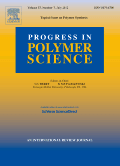
PROGRESS IN POLYMER SCIENCE
Navigating the Evolving Landscape of Polymer SciencePROGRESS IN POLYMER SCIENCE is a prestigious academic journal published by PERGAMON-ELSEVIER SCIENCE LTD, dedicated to advancing the field of polymer science. With an ISSN of 0079-6700 and an E-ISSN of 1873-1619, this journal has established itself as a leading source of high-quality research since its inception in 1967. It ranks in the top quartile (Q1) across multiple categories including Ceramics and Composites, Materials Chemistry, Organic Chemistry, Polymers and Plastics, and Surfaces and Interfaces, reflecting its strong reputation and impact within the scientific community. The journal features rigorous peer-reviewed articles that not only contribute to theoretical advancements but also emphasize practical applications of polymer science in various industries. Although it is not an open-access journal, it remains accessible through institutional subscriptions and provides invaluable insights and data for researchers, professionals, and students alike. PROGRESS IN POLYMER SCIENCE is essential reading for anyone looking to stay abreast of the latest developments and innovations in this dynamic field.
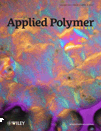
JOURNAL OF APPLIED POLYMER SCIENCE
Pioneering Discoveries in Polymer ScienceThe Journal of Applied Polymer Science, published by Wiley, is a leading journal in the field of polymer science, showcasing innovative research and applications in various domains since its inception in 1959. With an ISSN of 0021-8995 and an E-ISSN of 1097-4628, it is indexed in prominent databases, maintaining a strong presence with Scopus rankings placing it in the Q2 category across multiple disciplines, including Chemistry, Materials Chemistry, and Polymers and Plastics. The journal’s commitment to advancing scientific knowledge is reflected in its impact on the materials science community, with noteworthy rankings such as #38 in Surfaces, Coatings and Films and #51 in Polymers and Plastics. Though not an open-access publication, it remains a vital resource for researchers, professionals, and students aiming to deepen their understanding of polymer applications and to stay abreast of the latest developments in this ever-evolving field. With a focus on high-quality research, the Journal of Applied Polymer Science continues to be a cornerstone for those engaged in polymer research and its myriad applications.
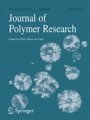
JOURNAL OF POLYMER RESEARCH
Pioneering Insights into Polymer Science and TechnologyJOURNAL OF POLYMER RESEARCH is a leading peer-reviewed journal published by SPRINGER, specializing in the dynamic fields of polymer science, materials chemistry, and organic chemistry. Operating since 1994, this esteemed journal has consistently delivered high-quality research articles that illuminate the latest advancements and innovations in polymer technology. With an increasing impact factor and placed in the Q2 category for both Materials Chemistry and Polymers and Plastics, it stands as a valuable resource for researchers, professionals, and students seeking cutting-edge knowledge in these areas. The journal is indexed in Scopus, highlighting its significance in the academic community, with notable rankings in Materials Science and Organic Chemistry. While it does not currently offer open access options, the meticulous selection of research and thorough peer-review process ensures each article's contribution to the field is both robust and impactful. Researchers aiming to expand their understanding and engage with pioneering studies will find JOURNAL OF POLYMER RESEARCH an indispensable platform.
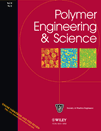
POLYMER ENGINEERING AND SCIENCE
Innovative Insights for the Polymer CommunityPOLYMER ENGINEERING AND SCIENCE, published by WILEY, is a premier journal specializing in the field of polymer science and engineering. Since its inception in 1961, this journal has been at the forefront of disseminating high-quality research, focusing on various aspects of polymers and plastics, including their chemistry, properties, and applications. With an impressive impact factor, it ranks in the second quartile (Q2) across multiple categories, including Chemistry (Miscellaneous), Materials Chemistry, and Polymers and Plastics, showcasing the journal's significance and influence in these vital areas of research. Researchers and professionals in academia and industry will find the latest advancements and innovative methodologies in polymer science, making this journal an essential resource for those looking to stay updated on cutting-edge developments. While it does not currently support Open Access, its comprehensive scope and critical insights positioned it as a valuable platform for advancing knowledge and fostering collaboration within the polymer community. The journal’s office is located at 111 River St, Hoboken 07030-5774, NJ, United States, emphasizing its strong presence in the academic landscape.
POLYMER BULLETIN
Unveiling Innovations in Polymer ResearchPOLYMER BULLETIN is a prominent journal in the field of polymer science, published by SPRINGER in Germany. Established in 1978, this peer-reviewed journal focuses on the latest research and developments in polymer chemistry, materials science, and condensed matter physics, boasting a commendable impact factor indicative of its rigorous academic standards. With a Q2 ranking in multiple categories including Chemistry (Miscellaneous), Condensed Matter Physics, Materials Chemistry, and Polymers and Plastics, POLYMER BULLETIN serves as an essential resource for researchers, professionals, and students aiming to stay abreast of innovative findings and methodologies within these interdisciplinary landscapes. Although the journal does not currently offer open access, it provides invaluable insights and data that significantly contribute to the advancement of polymer science. For more information and to access published articles, visit the journal's page on the Springer website.