
ACTA ZOOLOGICA ACADEMIAE SCIENTIARUM HUNGARICAE
metrics 2024
Connecting Research with Ecological Understanding
Introduction
ACTA ZOOLOGICA ACADEMIAE SCIENTIARUM HUNGARICAE, published by the Hungarian Natural History Museum, is a distinguished open access journal dedicated to advancing knowledge across the fields of Animal Science, Zoology, Ecology, Evolution, Behavior, and Systematics. Established in 2003 as an open access platform, this scholarly journal has actively contributed to the dissemination of critical research since 1996, positioning itself within the Q3 quartile in both its primary fields as of 2023. With its ISSN 1217-8837, ACTA ZOOLOGICA serves as a vital resource for researchers, professionals, and students aiming to explore and expand their understanding of animal biodiversity and ecology. Its publication features a variety of empirical studies, reviews, and critical commentaries that rigorously address contemporary issues in zoological sciences, underlining its commitment to fostering academic excellence and environmental sustainability. Researchers can access the journal’s extensive archives to deepen their inquiry into animal life, making it an essential addition to any academic library.
Metrics 2024
 0.280.600.7028
Metrics History
Rank 2024
Scopus
IF (Web Of Science)
JCI (Web Of Science)
Quartile History
Similar Journals
NOTA LEPIDOPTEROLOGICA
Unveiling discoveries in animal science and evolution.NOTA LEPIDOPTEROLOGICA, an esteemed journal published by Pensoft Publishers, has been a cornerstone in the fields of Insect Science, Animal Science, Ecology, and Evolution since its inception in 1995, with a commitment to open access publication since 2014. Based in Sofia, Bulgaria, this journal serves as a vital platform for researchers and professionals alike, facilitating the dissemination of significant findings related to Lepidoptera and broader ecological interactions. With an impressive scope covering vital aspects of biodiversity and taxonomy, NOTA LEPIDOPTEROLOGICA holds a Q3 ranking in its categories according to the 2023 metrics and plays a crucial role in advancing our understanding of insect science. By fostering international collaboration among scholars, the journal not only emphasizes the ecological importance of Lepidoptera but also contributes to global conservation efforts, making it an indispensable resource for students and experienced researchers aiming to deepen their knowledge in these fields.

ACTA ZOOLOGICA BULGARICA
Your Gateway to Contemporary Zoological InsightsACTA ZOOLOGICA BULGARICA is a prominent academic journal dedicated to advancing knowledge in the fields of Animal Science, Zoology, Aquatic Science, Ecology, Evolution, Behavior, and Systematics. Published by the Institute of Zoology, Bulgarian Academy of Sciences, this journal serves as an invaluable platform for researchers, professionals, and students to disseminate their findings and engage with contemporary issues in biodiversity and ecology. With an established history since its convergence in 2010 and an ongoing publication schedule through to 2024, the journal holds a Q4 category ranking in multiple disciplines, highlighting its role in fostering scholarly communication in these areas despite its recent entry into Scopus-indexed rankings. Although currently not an open-access journal, ACTA ZOOLOGICA BULGARICA remains a key resource for those interested in the latest research and developments, particularly within the ecological and zoological landscapes of Europe and beyond.

SPIXIANA
Advancing the Frontiers of Animal ScienceSPIXIANA is a distinguished journal dedicated to the fields of animal science and zoology, published by VERLAG DR FRIEDRICH PFEIL in Germany. With the ISSN 0341-8391, it has been contributing to the scientific community since its inception, with volumes converging from 2008 to 2024. Although currently listed in the Q4 quartile of the 2023 category rankings for Animal Science and Zoology, it provides a vital platform for researchers and professionals to disseminate significant findings in the field. Despite being unindexed in open access, SPIXIANA ensures that vital research reaches its audience, enhancing academic discourse and furthering our understanding of zoological sciences. Its commitment to sharing rigorous scientific research make it an important resource for anyone passionate about animal biology and conservation.
European Zoological Journal
Unveiling Insights into Animal Biology and ConservationEuropean Zoological Journal, published by Taylor & Francis Ltd, is an esteemed open-access publication dedicated to advancing the exciting field of zoology. Since its inception in 2017, this journal has progressively established itself as a vital resource for researchers, professionals, and students alike. With its Q2 ranking in Animal Science and Zoology as of 2023, the journal ranks in the 69th percentile among its peers, showcasing its influence and contribution to the discipline. The journal’s broad scope covers a wide range of topics within zoology, aiming to foster an understanding of animal biology and conservation efforts. As an open-access journal, it not only enhances the dissemination of knowledge but also encourages collaborative research across global communities. Situated in the United Kingdom, the European Zoological Journal invites submissions that contribute to the evolving discourse in animal sciences, and endeavors to support the scientific community in addressing pressing ecological challenges.
AUSTRALIAN MAMMALOGY
Exploring Australia's Unique Mammals and Their Ecological DynamicsAustralian Mammalogy, published by CSIRO PUBLISHING, is a pivotal journal in the fields of Animal Science and Zoology as well as Ecology, Evolution, Behavior and Systematics. With its ISSN 0310-0049 and E-ISSN 1836-7402, this esteemed journal has been instrumental in disseminating critical research findings since 2000, and continues to evolve up to 2024. Ranked in the Q2 quartile of both its categories for 2023, it showcases a diverse array of studies that contribute to understanding Australia’s unique mammalian fauna and its ecological dynamics. Researchers, professionals, and students will find valuable insights in its peer-reviewed articles, which are essential for advancing knowledge in these essential scientific disciplines. Located in Australia at UNIPARK, Locked Bag 10, Clayton, VIC, this journal remains committed to fostering scholarly communication within the global scientific community.
ZOOLOGICAL SCIENCE
Bridging Theory and Practice in Zoological ResearchZoological Science, published by the Zoological Society of Japan, is a leading journal dedicated to the fields of animal science and zoology. With its ISSN 0289-0003, this respected publication has established itself as a prominent source of scientific research, attaining a commendable Q2 ranking in the 2023 category of Animal Science and Zoology. Spanning over three decades, from 1992 to 2024, the journal offers a valuable platform for scholarly articles that explore various aspects of zoology, including ecology, behavior, and evolutionary biology. Although it operates under a traditional subscription model, its contributions are supported by a robust community of researchers and professionals who value its insights. The journal strives to foster academic discourse and insights that drive understanding and conservation of wildlife, making it an essential resource for students and established experts alike. The publishing headquarters located in Tokyo, Japan, further enhances its international reach and influence in zoological studies.
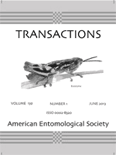
TRANSACTIONS OF THE AMERICAN ENTOMOLOGICAL SOCIETY
Charting the Course for Future Entomological Discoveries.TRANSACTIONS OF THE AMERICAN ENTOMOLOGICAL SOCIETY, published by the American Entomological Society, is a distinguished journal committed to advancing the field of entomology through innovative research and comprehensive reviews. With an ISSN of 0002-8320 and an E-ISSN of 2162-3139, this journal has been a vital resource for entomologists since its inception, showcasing significant findings in insect science as well as ecology, evolution, behavior, and systematics. Although currently not offering Open Access, the journal remains a pivotal platform for professionals, researchers, and students interested in the biological sciences related to insects. The journal's influence is reflected in its Scopus rankings, with a Q3 designation in Insect Science and a Q4 designation in Ecology, Evolution, Behavior and Systematics as of 2023. With a convergence of published years from 1993 to present, TRANSACTIONS aims to foster a deep understanding of insect-related topics, thereby contributing valuable insights that may influence both academic and practical realms within entomology.

CONTRIBUTIONS TO ZOOLOGY
Elevating the Discourse in Zoological StudiesCONTRIBUTIONS TO ZOOLOGY, published by BRILL, is a premier scholarly journal dedicated to advancing the field of zoological sciences. With an ISSN of 1383-4517 and an E-ISSN of 1875-9866, this journal serves as a vital platform for researchers, professionals, and students seeking to share their findings and insights related to animal science, ecology, evolution, and systematics. Recognized for its high academic standards, it ranks in the top quartile (Q1) for Animal Science and Zoology, and Q2 for Ecology, Evolution, Behavior, and Systematics, reflecting its significance and influence in the scholarly community. The journal has been consistently published since 1994 and continues to contribute pivotal knowledge that informs and shapes contemporary zoological research. Researchers can access the journal through traditional subscription models, ensuring broad dissemination of its impactful articles and studies. Contributions to Zoology plays an essential role in fostering collaboration and discussion within the zoological community in the Netherlands and beyond.
NEW ZEALAND JOURNAL OF ZOOLOGY
Elevating the Study of New Zealand's Unique Biodiversity.NEW ZEALAND JOURNAL OF ZOOLOGY, published by Taylor & Francis Ltd, offers a crucial platform for the dissemination of high-quality research in the field of zoology and animal science. With an ISSN of 0301-4223 and an E-ISSN of 1175-8821, this journal has been a valuable resource since its inception in 1974 and continues to contribute significantly to the academic community, with a converged years span extending to 2024. The journal holds a commendable Q3 ranking in the 2023 category of Animal Science and Zoology, and ranks #175 out of 490 in Scopus, placing it in the 64th percentile of its category. While it is not an Open Access journal, researchers can still access a wide range of studies that delve into various aspects of zoology. With its robust editorial standards and commitment to advancing knowledge in animal science, the NEW ZEALAND JOURNAL OF ZOOLOGY serves as an essential resource for researchers, professionals, and students interested in the complexities of wildlife and ecological studies.
TURKISH JOURNAL OF ZOOLOGY
Unveiling the Mysteries of the Animal KingdomThe TURKISH JOURNAL OF ZOOLOGY, published by the esteemed Tubitak Scientific & Technological Research Council Turkey, serves as a pivotal platform for the dissemination of research in the field of zoology and animal science. With an ISSN of 1300-0179 and an E-ISSN of 1303-6114, this journal has been contributing to the scientific community since its inception in 1994 and will continue to do so through 2024. Renowned for its scientific rigor, the journal holds a Q3 ranking in the 2023 category of Animal Science and Zoology, placing it within the prominent ranks of Scopus with a current percentile of 56, and an overall rank of 214 out of 490 in its domain. As an essential resource for researchers, professionals, and students, the journal prioritizes quality research, fostering knowledge exchange and collaboration among scholars worldwide. With its commitment to advancing understanding in zoological sciences, the TURKISH JOURNAL OF ZOOLOGY stands as a significant contribution to the global scientific dialogue.