
ALTEX-Alternatives to Animal Experimentation
metrics 2024
Advancing humane science for a better tomorrow.
Introduction
ALTEX - Alternatives to Animal Experimentation is a pioneering journal dedicated to advancing the field of humane science and promoting alternatives to animal testing. Published by SPEKTRUM AKADEMISCHER VERLAG-SPRINGER-VERLAG GMBH in Germany, this Open Access journal has been a key resource for researchers since its inception, becoming fully open since 2011. With a notable impact factor underscored by its prestigious rankings—including Q1 in Medical Laboratory Technology and Q2 in both Medicine (miscellaneous) and Pharmacology as of 2023—ALTEX is positioned at the forefront of its field. The journal's comprehensive coverage of humane alternative methods, along with its commitment to rigorous peer review and wide dissemination, makes it essential reading for professionals, researchers, and students interested in ethical research practices. By fostering dialogue and innovation, ALTEX plays a crucial role in shaping the future landscape of biomedical research.
Metrics 2024
 0.744.505.0064
Metrics History
Rank 2024
Scopus
IF (Web Of Science)
JCI (Web Of Science)
Quartile History
Similar Journals

INRAE Productions Animales
Elevating Standards in Livestock Welfare and EfficiencyINRAE Productions Animales is a prominent journal dedicated to advancing the field of animal production and management, published by the esteemed INRAE (National Research Institute for Agriculture, Food and the Environment). With its commitment to open access, this journal provides a platform for researchers, professionals, and students alike to disseminate high-quality research and innovative practices that address the challenges and advancements in animal production systems. Although the journal’s specific impact factor is currently not available, its contributions are crucial in bridging scientific knowledge with practical application in agriculture. Based in France at 1 rue Pierre-Gilles de Cennes, CS10030, Antony 92761, this journal serves as an essential resource for anyone dedicated to enhancing the sustainability, efficiency, and welfare of livestock production. With a focus on interdisciplinary studies, it aims to foster collaboration among the scientific community, policymakers, and industry stakeholders.
LAB ANIMAL
Advancing humane practices in laboratory animal science.LAB ANIMAL, a journal published by NATURE PORTFOLIO, is a prominent source of knowledge in the fields of animal science and veterinary medicine. With its ISSN 0093-7355 and E-ISSN 1548-4475, it serves as a critical platform for researchers, professionals, and students dedicated to the advancement of laboratory animal science. Despite being categorized in the Q4 quartile for Animal Science and Zoology and Q3 for Veterinary (Miscellaneous) in 2023, its contributions are invaluable, reflecting rigorous research and development essential for improving laboratory animal care and ethical research practices. The journal aims to foster innovation and responsive dialogue in an evolving landscape of animal research, promoting a more humane and scientifically sound approach. Although it currently operates under a subscription-based model, LAB ANIMAL continues to be an essential resource for the academic community, providing insights that are integral to advancing both veterinary and animal sciences. The journal has consistently published research since its inception in 1995, engaging a diverse audience with comprehensive studies and discussions that impact the future of the field.
ANIMAL WELFARE
Transforming insights into impactful animal welfare practices.ANIMAL WELFARE, published by Cambridge University Press, is a vital academic journal dedicated to advancing our understanding of animal ethics, welfare science, and related practices. With an ISSN of 0962-7286 and an E-ISSN of 2054-1538, the journal offers a platform for researchers and professionals to share significant findings and insights that enhance animal protection and welfare across various settings. Operating from its distinguished location in the United Kingdom, the journal boasts a commendable impact factor and is recognized in several quartile categories in 2023, including Q3 in Animal Science and Zoology, Q3 in Biochemistry, Genetics and Molecular Biology, and Q2 in Veterinary (miscellaneous). With its diverse scope, ANIMAL WELFARE plays a crucial role in influencing policy and practice while fostering multidisciplinary discourse. It is a valuable resource for anyone dedicated to improving the lives of animals and understanding the complexities involved in animal welfare research.
TOXICOLOGY IN VITRO
Advancing In Vitro Insights for Safer PharmaceuticalsTOXICOLOGY IN VITRO is a premier journal published by PERGAMON-ELSEVIER SCIENCE LTD, focusing on the latest advancements in the field of toxicology, particularly through in vitro methodologies. With an ISSN of 0887-2333 and an E-ISSN of 1879-3177, this journal serves as a critical platform for researchers aiming to disseminate their findings in toxicology, emphasizing innovative approaches and applications in pharmacology and toxicology. Featuring a commendable impact factor and classified in the second quartile (Q2) for both Medicine (miscellaneous) and Toxicology in 2023, the journal holds a significant position within the academic community, ranking 41st out of 133 in the Toxicology category according to Scopus, representing the 69th percentile. Despite being a subscription-based publication, it continuously attracts submissions from leading scientists worldwide, fostering a vibrant exchange of scientific knowledge. Since its inception in 1987, TOXICOLOGY IN VITRO has consistently aimed to enhance understanding of toxicological challenges, making it an invaluable resource for professionals, students, and researchers dedicated to developing safer pharmaceuticals and understanding the biological pathways influenced by potential toxic agents.

Tropical Animal Science Journal
Connecting Science and Practice in Animal WelfareTropical Animal Science Journal, ISSN 2615-787X, E-ISSN 2615-790X, is an esteemed open-access journal published by the Bogor Agricultural University, Faculty of Animal Science. Launched in 2018, this journal serves as a pivotal platform for disseminating high-quality research in the fields of Animal Science, Food Animals, and Veterinary Medicine. With its significant presence in Indonesia and a commitment to scientific innovation, it has achieved a Q3 ranking in Animal Science and Zoology and Food Animals, as well as a Q2 ranking in Veterinary (miscellaneous) as of 2023. The journal also enjoys favorable Scopus rankings, placing it in the 61st percentile for General Veterinary and demonstrating its relevance and impact in the academic community. As an advocate for open-access publishing since its inception, the journal enhances accessibility to critical research findings, making it an invaluable resource for researchers, professionals, and students alike who aim to advance their knowledge and contribute to the fields of tropical animal science.
Laboratory Animal Research
Unlocking the potential of laboratory animal science.Laboratory Animal Research is a prominent academic journal dedicated to advancing the field of laboratory animal science, providing a platform for researchers, professionals, and students focused on biochemistry, genetics, and molecular biology. Published by SPRINGERNATURE, this journal is recognized for its rigorous peer-review process and commitment to high-quality research, achieving a notable Q2 ranking in the Biochemistry, Genetics and Molecular Biology category as of 2023. Since becoming an Open Access journal in 2015, Laboratory Animal Research has fostered greater accessibility and dissemination of research findings, encouraging collaboration and innovation within the scientific community. With its ISSN 1738-6055 and E-ISSN 2233-7660, the journal is based in the United Kingdom and resides at CAMPUS, 4 Crinan St, London, N1 9XW, England. It is an essential resource for anyone involved in laboratory animal research and strives to enhance the welfare and scientific use of animals in research settings.

EXPERIMENTAL ANIMALS
Innovating methodologies for a better understanding of animal models.EXPERIMENTAL ANIMALS is a leading journal that serves the vibrant fields of Animal Science, Veterinary Medicine, and Biochemistry, Genetics, and Molecular Biology, published by the prestigious INT PRESS EDITING CENTRE INC in Japan. Boasting an impressive track record since its inception in 1974, the journal has positioned itself as a crucial platform for researchers aiming to disseminate innovative findings in experimental animal research. With a commendable impact factor and categorized in the Q2 and Q3 quartiles by Scopus in various relevant fields for 2023, EXPERIMENTAL ANIMALS exemplifies excellence in its contributions to science. The journal offers a comprehensive range of articles spanning from animal welfare and experimental methodologies to genetic studies, ensuring a multidisciplinary approach that appeals to a diverse audience of researchers, professionals, and students. Access to its wealth of knowledge fosters significant advancements in research and practice, underlining the journal's commitment to enhancing understanding of animal models in scientific inquiry.
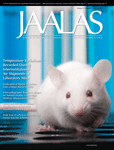
Journal of the American Association for Laboratory Animal Science
Leading the way in interdisciplinary dialogue for animal care.The Journal of the American Association for Laboratory Animal Science is a premier peer-reviewed publication dedicated to advancing the field of laboratory animal science. Published by the American Association for Laboratory Animal Science, this journal plays a crucial role in disseminating innovative research and fostering best practices in the care and use of laboratory animals. With an impressive Q1 ranking in the fields of Animal Science and Zoology and a significant Scopus ranking placing it in the 70th percentile among its peers, it stands as an influential resource for researchers, professionals, and students alike. The journal is committed to open access, ensuring that all findings are readily available to the academic community and beyond. By providing a platform for interdisciplinary dialogue and knowledge sharing, the journal contributes to the responsible and ethical advancement of laboratory animal science, which is vital for research integrity and animal welfare. With a publication timeline converging from 2006 to 2024, the Journal continues to evolve, addressing the dynamic challenges faced within the field.

Journal of Veterinary Science
Empowering Global Veterinary Research Through Open Access.Journal of Veterinary Science, published by the Korean Society of Veterinary Science, is a distinguished peer-reviewed Open Access journal that has been contributing to the field of veterinary medicine since its inception in 2000. With an E-ISSN of 1976-555X, this journal not only provides critical insights for researchers globally but also maintains a strong presence within the academic community, evidenced by its impressive ranking in the Scopus database, where it stands at 44 out of 194 in the general veterinary category, placing it in the 77th percentile. The journal’s impact factor reflects its rigorous standards and the significance of the research it publishes, all while offering unrestricted access to its content since 2006, which promotes the free exchange of knowledge. Situated in the vibrant academic atmosphere of Seoul, South Korea, the Journal of Veterinary Science aims to advance veterinary research and practice, covering a broad spectrum of topics to inspire students, professionals, and established researchers alike to push the boundaries of veterinary science.
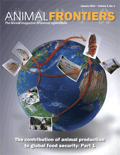
Animal Frontiers
Exploring New Frontiers in Zoological ResearchAnimal Frontiers, published by Oxford University Press Inc, stands as a premier open-access journal dedicated to advancing the field of animal science and zoology. Since its establishment in 2011, this journal has garnered impressive significance, achieving a Q1 ranking in both Animal Science and Zoology and Food Animals categories as of 2023, placing it at the forefront of research in these critical areas. With a Scopus ranking of #25 out of 490 in Agricultural and Biological Sciences and an exceptional #4 out of 39 in Veterinary Food Animals, it caters to a diverse audience of researchers, professionals, and students dedicated to animal welfare, food security, and sustainable practices. The journal's mission is to provide a high-impact platform for innovative research and discussions that enhance our understanding of animal health and productivity globally. Proudly based in India, Animal Frontiers is committed to maintaining rigorous academic standards while ensuring accessibility to vital research findings, making it an invaluable resource in the scientific community.