AMERICAN HEART JOURNAL
Scope & Guideline
Leading the Charge in Cardiovascular Medicine
Introduction
Aims and Scopes
- Cardiovascular Disease Research:
The journal emphasizes original research that contributes to the understanding of cardiovascular diseases, their risk factors, and the underlying biological mechanisms. - Clinical Trials and Interventional Studies:
It publishes findings from clinical trials that evaluate new treatments, interventions, and therapies aimed at improving patient outcomes in cardiovascular disease. - Epidemiology and Public Health:
The journal focuses on studies that investigate the epidemiological aspects of cardiovascular diseases, including risk factors, prevalence, and population health strategies. - Innovative Diagnostic and Therapeutic Approaches:
Research highlighting new diagnostic methods and therapeutic strategies, including the use of technology, pharmacological interventions, and minimally invasive procedures. - Health Disparities and Outcomes:
The journal addresses issues related to health disparities in cardiovascular care, exploring how socioeconomic and demographic factors influence health outcomes.
Trending and Emerging
- Artificial Intelligence and Machine Learning:
There is a growing interest in the application of artificial intelligence and machine learning in cardiovascular medicine, particularly in diagnostic processes and predicting patient outcomes. - Health Technology Integration:
Research focusing on the integration of wearable technologies and telehealth solutions for managing cardiovascular diseases is on the rise, showcasing innovative approaches to patient monitoring and care. - Cardiovascular Health Disparities:
Increased attention is being placed on understanding and addressing health disparities in cardiovascular care, emphasizing social determinants of health and their impact on outcomes. - Personalized Medicine and Individualized Therapy:
The trend towards personalized medicine is evident, with research exploring tailored therapies based on genetic, phenotypic, and clinical characteristics of patients. - Long-term Outcomes and Quality of Life:
Emerging research is focused on long-term outcomes and quality of life assessments in cardiovascular patients, highlighting the importance of holistic approaches to patient care.
Declining or Waning
- Basic Science and Animal Studies:
There has been a noticeable decrease in studies focused primarily on basic science and animal models, as the journal increasingly prioritizes clinical and translational research that directly impacts patient care. - Single-Center Studies:
The prevalence of single-center studies has diminished, with a trend toward multicenter collaboration and larger cohort studies that provide more generalizable findings. - Older Treatment Modalities:
Research on older treatment modalities, such as traditional pharmacotherapy without innovative comparisons, has seen a decline, reflecting a shift towards newer therapies and personalized medicine approaches. - Descriptive Studies without Novel Insights:
The journal appears to be moving away from publishing descriptive studies that do not provide novel insights or advancements in understanding cardiovascular diseases.
Similar Journals
KARDIOLOGIYA
Bridging Research and Practice in CardiologyKARDIOLOGIYA is a renowned academic journal in the field of cardiology, published by the Russian Heart Failure Society. Since its inception in 1961, this journal has been dedicated to disseminating cutting-edge research in cardiovascular medicine, contributing to the global understanding of heart-related diseases and their management. With a significant publication history that spans over six decades, KARDIOLOGIYA provides a platform for both established researchers and emerging scholars to publish their findings. Despite its current Q4 category ranking in the 2023 Cardiology and Cardiovascular Medicine category, the journal plays a crucial role in promoting regional insights and advancements in cardiology, while striving towards higher visibility and impact within the academic community. While not an open-access journal, the journal is accessible to institutions and professionals in the Russian Federation and beyond, fostering collaboration and knowledge sharing among healthcare professionals. With a Scopus rank of #259 among 387 journals, it is well-positioned to enhance discourse in the field and support the development of innovative approaches to cardiovascular care.

Minerva Cardiology and Angiology
Pioneering insights in cardiovascular medicine.Minerva Cardiology and Angiology, published by EDIZIONI MINERVA MEDICA, is a prominent journal in the field of cardiology and cardiovascular medicine, with an ISSN of 2724-5683 and E-ISSN of 2724-5772. Established in 2021, this journal aims to foster the dissemination of cutting-edge research, clinical practice guidelines, and innovative methodologies relevant to cardiovascular health. As of 2023, it holds a commendable Q3 quartile rank in its category, reflecting its growing influence within the scientific community. The journal is indexed in Scopus, where it ranks #221 out of 387 in its field, placing it in the 43rd percentile overall. Although it currently does not offer Open Access options, articles published in Minerva Cardiology and Angiology contribute significantly to ongoing discussions and advancements in heart and vascular health. The journal serves as an invaluable resource for researchers, healthcare professionals, and students seeking to stay informed on the latest developments in cardiology.
JOURNAL OF THE AMERICAN COLLEGE OF CARDIOLOGY
Advancing Cardiovascular Knowledge for a Healthier TomorrowJOURNAL OF THE AMERICAN COLLEGE OF CARDIOLOGY, the esteemed publication of Elsevier Science Inc, stands as a premier platform for advancing knowledge in the field of cardiology and cardiovascular medicine. With an impressive impact factor reflecting its prominence—ranked Q1 in its category for 2023 and occupying the 4th position out of 387 in the Scopus listings, firmly placing it in the 99th percentile—this journal is essential for researchers, clinicians, and students alike. Since its inception in 1983, it has continuously provided a vital space for high-quality research and innovative clinical practices, driving forward our understanding of cardiovascular health. While access options are not open, the value of the cutting-edge articles published here cannot be overstated, as they foster collaboration and inform better patient care across the globe. As part of its ongoing commitment to excellence, the journal solicits submissions of original research, reviews, and clinical studies that contribute meaningfully to the field and engage its diverse readership.
Korean Circulation Journal
Bridging Research and Practice in Cardiology.Korean Circulation Journal, published by the Korean Society of Cardiology, has established itself as a prominent platform for disseminating research in the fields of Cardiology and Cardiovascular Medicine. With an ISSN of 1738-5520 and an E-ISSN of 1738-5555, this journal has been at the forefront of cardiovascular science since its inception in 2006 and is projected to continue until 2024. The journal's commitment to quality is reflected in its 2023 category quartiles, ranking in the second quartile (Q2) for both Cardiology and Internal Medicine, as well as its commendable Scopus rankings within the respective fields. Located in South Korea, the journal aims to bridge the gap between cutting-edge research and practical applications, serving as an invaluable resource for researchers, healthcare professionals, and students keen on advancing their understanding of cardiovascular health. Although currently not an open-access journal, it provides a wealth of knowledge that encourages evidence-based practice in clinical settings.

REVISTA ESPANOLA DE CARDIOLOGIA
Your Gateway to Cutting-Edge Cardiology InsightsREVISTA ESPANOLA DE CARDIOLOGIA is a premier journal dedicated to the dynamic field of cardiology, published by EDICIONES DOYMA S A in Barcelona, Spain. With an impressive Q1 status in the Medicine (miscellaneous) category for 2023, this journal is recognized for its significant contributions to cardiovascular research, evidenced by its rank of #61 out of 387 in the Scopus database, placing it within the top 16% of journals in its field. Covering a broad range of topics within cardiology, the journal aims to disseminate high-quality research, clinical studies, and educational content, fostering knowledge sharing among researchers, clinicians, and students alike. While it does not currently offer open access, the journal maintains a commitment to advancing cardiovascular health through rigorous peer-reviewed articles. With a publication history that spans from 2013 to 2024, REVISTA ESPANOLA DE CARDIOLOGIA is an essential resource for those seeking to stay at the forefront of cardiology advancements and practices.

Journal fur Kardiologie
Illuminating the Path of Cardiovascular Innovation.The Journal fur Kardiologie, published by KRAUSE & PACHERNEGG GMBH, is a pivotal resource in the field of Cardiology and Cardiovascular Medicine. With an ISSN of 1024-0098 and an E-ISSN of 1680-936X, this journal has played a significant role in disseminating valuable research and clinical studies from 1998 until its coverage discontinuation in Scopus in 2017. Despite its Scopus rank being relatively low at #316/324 in its category, it continues to serve as a platform for emerging cardiology research. The journal’s scope encompasses various aspects of cardiovascular health, providing insights that are crucial for researchers, professionals, and students alike seeking to advance their knowledge and practice in cardiology. While the journal is not open access, its contributions to the field are essential for those looking to stay informed about the latest developments in cardiovascular medicine.

Frontiers in Cardiovascular Medicine
Elevating Cardiovascular Research Through Open Access.Frontiers in Cardiovascular Medicine is a leading open-access journal published by FRONTIERS MEDIA SA, dedicated to advancing research in the field of cardiology and cardiovascular medicine. Since its inception in 2014, the journal has become a vital platform for the dissemination of high-quality research, boasting a commendable Q2 rank in the 2023 category for Cardiology and Cardiovascular Medicine. With a focus on promoting innovative studies and clinical insights, Frontiers in Cardiovascular Medicine facilitates open access to its content, allowing researchers, healthcare professionals, and students from around the globe to engage with the latest findings which are critical for the advancement of cardiovascular health. The journal's significant presence in the academic landscape, as indicated by its Scopus ranking (161/387 and 58th percentile), underscores its importance as a research outlet in this essential field. Located in Lausanne, Switzerland, the journal continues to support the global cardiovascular community by encouraging collaboration and knowledge sharing to address the challenges faced in cardiovascular medicine today.
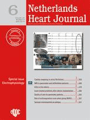
Netherlands Heart Journal
Transforming Cardiology Insights into Global Health SolutionsNetherlands Heart Journal is a premier academic publication dedicated to advancing knowledge in the field of cardiology and cardiovascular medicine. Published by BOHN STAFLEU VAN LOGHUM BV, this journal has established itself as a critical platform for researchers, professionals, and students seeking to explore groundbreaking findings and innovative practices in cardiovascular health. With an ISSN of 1568-5888 and E-ISSN 1876-6250, the journal boasts a respectable Q2 ranking in the Cardiology and Cardiovascular Medicine category, placing it in the top half of its field according to the 2023 quartiles. The Scopus ranking places it 130th out of 387 in the relevant category, indicating a commendable percentile rank of 66th, which attests to its influence and quality of published research. Spanning from 2005 to 2024, the journal endeavors to include a diverse array of topics, encompassing clinical practice, technological innovations, and public health considerations related to cardiovascular diseases. Researchers and practitioners are encouraged to engage with the journal's robust content, contributing to and benefiting from the collaborative effort to enhance cardiovascular health worldwide.
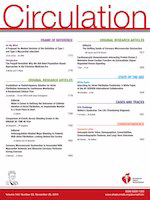
CIRCULATION
Leading the Charge in Heart Health Research.CIRCULATION is a premier journal in the field of cardiology and cardiovascular medicine, published by Lippincott Williams & Wilkins. With a distinguished history dating back to 1950, the journal has consistently been at the forefront of critical research, showcasing significant advancements and discoveries in cardiovascular health. It holds a remarkable Q1 ranking in both the fields of Cardiology and Physiology (medical) according to the 2023 category quartiles, demonstrating its influential role among the top publications in these disciplines. With an impressive Scopus ranking, placed 3rd out of 387 in Cardiology and 2nd out of 113 in Physiology, CIRCULATION is essential reading for researchers, practitioners, and students passionate about advancing their understanding of heart health and related medical sciences. Although the journal is not open access, it continues to foster scholarly exchange and innovation in cardiovascular research, making it an indispensable resource for quality insights and groundbreaking studies.
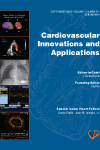
Cardiovascular Innovations and Applications
Exploring cutting-edge research to transform cardiovascular care.Cardiovascular Innovations and Applications is a premier open-access journal dedicated to advancing knowledge in the field of cardiovascular medicine. Published by COMPUSCRIPT since 2016, this journal provides a platform for the dissemination of innovative research and applications that address crucial topics in cardiology, aiming to bridge the gap between clinical practice and cutting-edge research. With an ISSN of 2009-8618 and an E-ISSN of 2009-8782, it operates on a global scale, facilitating access to high-quality content without financial barriers. The journal is positioned within the Medicine - Cardiology and Cardiovascular Medicine category, and its current Scopus rank of #321/387 reflects its potential for growth and influence in the academic community, being in the 17th percentile. Researchers, healthcare professionals, and students will find Cardiovascular Innovations and Applications an invaluable resource in their quest for the latest findings and advancements in cardiovascular health and treatment methodologies.