
American Journal of Preventive Cardiology
Scope & Guideline
Elevating Knowledge in Cardiovascular Prevention.
Introduction
Aims and Scopes
- Cardiovascular Risk Assessment and Management:
The journal emphasizes the importance of comprehensive cardiovascular risk assessment, including the use of traditional and novel biomarkers, imaging techniques, and clinical guidelines to optimize prevention strategies for cardiovascular diseases. - Innovative Therapeutics and Interventions:
It focuses on the exploration of innovative therapeutic approaches, such as lipid-lowering therapies, lifestyle modifications, and pharmacological interventions aimed at reducing cardiovascular risk and improving patient outcomes. - Health Disparities and Social Determinants of Health:
Research addressing health disparities in cardiovascular health across different populations, including the impact of socioeconomic status, race, and gender on cardiovascular disease prevalence and outcomes is a core area of focus. - Preventive Strategies and Public Health Initiatives:
The journal highlights effective public health interventions and community-based strategies that promote cardiovascular health, including educational initiatives and policy recommendations aimed at reducing the burden of cardiovascular diseases. - Epidemiological Studies and Clinical Trials:
It publishes findings from epidemiological studies and clinical trials that provide insights into the prevalence, risk factors, and outcomes of cardiovascular diseases, fostering evidence-based practices in preventive cardiology.
Trending and Emerging
- Integrative Approaches to Cardiovascular Health:
There is a growing trend towards integrating lifestyle modifications, mental health considerations, and social determinants of health into cardiovascular care, recognizing the multifaceted nature of cardiovascular disease prevention. - Emerging Biomarkers and Genetic Testing:
The exploration of novel biomarkers, including lipoprotein(a) and genetic risk factors, is gaining traction, reflecting a shift towards personalized medicine and precision approaches in cardiovascular risk assessment. - Impact of COVID-19 on Cardiovascular Health:
Research examining the long-term effects of the COVID-19 pandemic on cardiovascular health, including changes in risk factor management and healthcare access, is increasingly prevalent as the healthcare landscape evolves. - Telehealth and Remote Monitoring:
The rise of telehealth services and remote monitoring technologies for cardiovascular risk management has emerged as a significant theme, driven by the necessity for innovative care delivery models during the pandemic. - Focus on Women's Cardiovascular Health:
There is an increasing emphasis on research dedicated to understanding and addressing cardiovascular health disparities among women, including the unique risk factors and outcomes that affect this population.
Declining or Waning
- Traditional Lipid Management Approaches:
While lipid management remains crucial, there is a noted decline in publications focusing solely on traditional lipid measures (e.g., total cholesterol) without considering emerging biomarkers and personalized approaches. - Generalized Interventions without Tailoring:
Research that addresses generalized preventive interventions without consideration for individual patient characteristics or risk profiles appears to be diminishing, as the focus shifts toward more personalized and targeted strategies. - Single-Disease Focus:
There is a waning emphasis on studies that concentrate exclusively on single cardiovascular diseases, such as coronary artery disease, as the journal increasingly promotes a more holistic view of cardiovascular health that considers multi-morbidity. - Conventional Guidelines without Novel Insights:
The journal is seeing fewer articles that simply reiterate existing guidelines without contributing new insights or evidence, as there is a greater demand for innovative and evidence-based recommendations.
Similar Journals

Journal of the American Heart Association
Transforming Cardiovascular Medicine with Open Access InsightsThe Journal of the American Heart Association, published by WILEY, serves as a premier platform for advancing cardiovascular medicine through its commitment to open access, fostering global dissemination of cutting-edge research since 2012. It proudly holds a prestigious position within the top quartile (Q1) in the categories of Cardiology and Cardiovascular Medicine, as evidenced by its Scopus ranking of #49 out of 387 journals, placing it in the 87th percentile. With a focus on innovative studies and transformative findings, this journal is essential for cardiologists, researchers, and healthcare professionals seeking to stay at the forefront of cardiovascular knowledge. The journal aims to bridge the gap between basic science and clinical practice, presenting findings that shape the future of heart health treatment and prevention. As a resource for academic and clinical communities alike, the Journal of the American Heart Association is dedicated to enhancing the understanding and treatment of cardiovascular diseases globally.

Research in Cardiovascular Medicine
Elevating patient outcomes with cutting-edge cardiovascular research.Research in Cardiovascular Medicine is a renowned open-access journal published by Wolters Kluwer Medknow Publications, dedicated to advancing knowledge in the swiftly evolving field of cardiovascular health. With an ISSN of 2251-9572 and E-ISSN of 2251-9580, this journal serves as a vital platform for researchers and professionals to share their findings, explore innovative treatments, and discuss current trends in cardiovascular care. Since transitioning to open access in 2013, it has democratized access to high-quality research, ensuring that vital information reaches healthcare practitioners and academia alike. The journal’s commitment to rigorous peer review and its emphasis on cutting-edge research contribute significantly to improving patient outcomes and addressing the global burden of cardiovascular diseases. By publishing original articles, review papers, and clinical studies, Research in Cardiovascular Medicine plays a crucial role in shaping the future of cardiovascular research and education, appealing to a wide audience of researchers, professionals, and students striving to make meaningful contributions to this critical field.

Arquivos Brasileiros de Cardiologia
Unveiling new horizons in cardiology through open access.Arquivos Brasileiros de Cardiologia is a leading open-access journal dedicated to advancing the field of cardiology and cardiovascular medicine. Established in 1950 and published by the ARQUIVOS BRASILEIROS CARDIOLOGIA, this Brazilian journal plays a crucial role in disseminating high-quality research that addresses both emerging and established topics in cardiovascular science. With an impressive history and a commitment to open access since 1997, it provides researchers, healthcare professionals, and students with free and readily available content that significantly contributes to the understanding and management of cardiovascular diseases. The journal is indexed in Scopus and holds a Q3 ranking in the category of Cardiology and Cardiovascular Medicine, demonstrating its relevance and participation within the global research community. Researchers can submit their work and access a wealth of information that spans a variety of subfields, reflecting the journal’s dedication to fostering innovation and collaboration within cardiology. With a mailing address at Avenida Marechal Câmara, 160-330 Centro, Rio de Janeiro, RJ 20,020-907, Brazil, the journal continues to serve as a vital platform for scholarly communication and knowledge exchange in the cardiovascular realm.
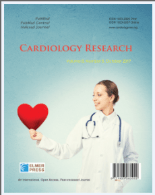
Cardiology Research
Unlocking the future of cardiovascular interventions.Cardiology Research is a prominent open-access journal dedicated to advancing the field of cardiology and cardiovascular medicine, published by ELMER PRESS INC. Renowned for its rigorous peer-review process, the journal provides a platform for cutting-edge research and innovative clinical practices in cardiology. With an ISSN of 1923-2829 and an E-ISSN of 1923-2837, it has established an impactful presence in the academic community, achieving a 2023 Scopus quartile ranking of Q3 in its category, positioning it in the 41st percentile. The journal's scope encompasses various aspects of cardiology research, including but not limited to epidemiology, diagnostics, therapeutics, and cardiovascular interventions. Although it operates without open access in certain contexts, it provides flexible access options for readers, ensuring that its valuable insights are widely disseminated. Cardiology Research is an essential resource for researchers, healthcare professionals, and students who aspire to stay at the forefront of cardiovascular science, contributing significantly to the global discourse on heart health.

Nepalese Heart Journal
Empowering Heart Health Through Collaborative ResearchNepalese Heart Journal, published by the CARDIAC SOC NEPAL, serves as a premier platform for disseminating knowledge in the field of cardiology and cardiovascular health. With an ISSN of 2091-2978, this journal aims to bridge the gap between researchers, clinicians, and academicians by presenting high-quality, peer-reviewed articles that address clinical practices, innovative research, and emerging trends in heart disease management, especially within the context of Nepal and the surrounding region. Although it operates under a traditional publishing model, its commitment to excellence aids in reinforcing the scientific discourse in an area critical to public health. The journal is a valuable resource for professionals and students alike who are focused on advancing their understanding of cardiology and its implications for health policy and practice. Exploring the intersections of local challenges and global advancements in heart health, the Nepalese Heart Journal is poised to contribute meaningfully to the evolving landscape of cardiovascular research.
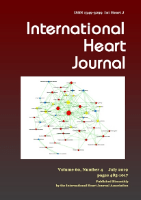
International Heart Journal
Driving Progress in Cardiology and Patient OutcomesInternational Heart Journal, published by INT HEART JOURNAL ASSOC, serves as a pivotal platform for research and discourse in the fields of cardiology and cardiovascular medicine. With its ISSN 1349-2365 and E-ISSN 1349-3299, this esteemed journal is based in Japan and is located at the University of Tokyo, Graduate School of Medicine, Department of Cardiovascular Medicine. Since its inception in 2005, International Heart Journal has blossomed into a respected publication with an impact factor that signifies its growing relevance, ranking in the Q3 category of both cardiology and miscellaneous medicine as of 2023. This journal not only disseminates vital research findings but also fosters collaboration among researchers and healthcare professionals. Notable for its Open Access options, it ensures the availability of its content to a broader audience, thereby enhancing knowledge transfer and innovation in cardiovascular care. With an ongoing commitment to improve clinical practice and patient outcomes, the journal continues to be an essential resource for those dedicated to advancing the understanding of heart health and disease.
Aktuelle Kardiologie
Advancing cardiovascular knowledge for better patient care.Aktuelle Kardiologie is a premier journal in the field of cardiology, published by GEORG THIEME VERLAG KG. With its ISSN 2193-5203 and E-ISSN 2193-5211, it serves as an essential resource for cardiologists, researchers, and healthcare professionals who seek to stay abreast of the latest developments in cardiovascular medicine. Although currently not open access, the journal provides comprehensive insights through its rigorous peer-review process, ensuring high-quality content for its readers. Located in Stuttgart, Germany, the journal’s objectives include fostering the exchange of innovative research, clinical findings, and expert opinions that can significantly enhance patient care and inspire further studies in cardiovascular health. In an era where cardiovascular diseases are a leading public health concern, Aktuelle Kardiologie remains a vital platform for disseminating critical knowledge and advancing the field.
COR ET VASA
Bridging the gap between research and clinical practice in cardiology.COR ET VASA is a prominent peer-reviewed journal in the field of cardiology and cardiovascular medicine, published by the Czech Society of Cardiology and Czech Society of Cardiovascular Surgery. Established in 1961, and continuing its legacy from 2006 to 2024, this journal serves as an essential platform for disseminating significant research findings, clinical studies, and innovative treatments in cardiovascular health. While currently positioned in the Q4 quartile, the journal aims to enhance its impact by fostering knowledge sharing among researchers, clinicians, and students alike. The journal, with its publication in Czech Republic, provides a unique perspective to the European cardiovascular community, allowing for invaluable insights and discourse. Researchers are encouraged to submit their manuscripts and contribute to the growing body of knowledge in this critical area, although it should be noted that COR ET VASA does not offer open access options at this time. As the field of cardiovascular medicine evolves, COR ET VASA remains committed to addressing the latest challenges and advancements, nurturing a rich dialogue within the community.
AMERICAN HEART JOURNAL
Pioneering Research for a Healthier HeartAMERICAN HEART JOURNAL, published by MOSBY-ELSEVIER, stands at the forefront of cardiovascular research, encompassing a vast array of studies focused on heart health, cardiology, and related medical therapies. Established in 1925 and set to continue its legacy into 2024, this esteemed journal holds a prestigious Q1 ranking in the category of Cardiology and Cardiovascular Medicine, reflecting its commitment to quality and significant influence in the field, as evidenced by its 85th percentile ranking in Scopus. With a dedicated readership of researchers, clinicians, and students, the journal serves as a critical platform for sharing groundbreaking findings, innovative techniques, and comprehensive reviews that strive to advance cardiovascular science. Although it does not currently offer open access, the AMERICAN HEART JOURNAL remains an indispensable resource for anyone invested in the evolution and improvement of heart health.
Clinica e Investigacion en Arteriosclerosis
Driving excellence in the understanding of cardiovascular diseases.Clinica e Investigacion en Arteriosclerosis is a premier academic journal dedicated to the field of cardiology and cardiovascular medicine, published by ELSEVIER. With its ISSN 0214-9168 and E-ISSN 1578-1879, the journal aims to disseminate high-quality research and innovations in the understanding and treatment of arterial diseases, contributing significantly to both clinical practices and pharmacological advancements. Established in 2007 and continuing into 2024, the journal has garnered recognition with a notable Q3 categorization in both Cardiology and Cardiovascular Medicine and Pharmacology (medical) for 2023, reflecting its impact in the academic community. Researchers and healthcare professionals utilizing this journal will find a diverse range of articles exploring novel therapeutic strategies and epidemiological data, making it an essential resource for advancing knowledge and practice in cardiovascular health. While it does not operate as an open-access journal, the findings published in Clinica e Investigacion en Arteriosclerosis are pivotal for understanding current trends and future directions in cardiovascular research.