
ANIMAL BIODIVERSITY AND CONSERVATION
metrics 2024
Advancing knowledge for a thriving planet.
Introduction
ANIMAL BIODIVERSITY AND CONSERVATION is a distinguished open-access journal dedicated to advancing the knowledge of animal biodiversity and conservation practices. Published by the esteemed MUSEU DE CIENCIES NATURALS-ZOOLOGIA in Spain, it provides a platform for researchers and professionals in the fields of Animal Science and Nature Conservation. With its ISSN of 1578-665X and E-ISSN 2014-928X, the journal has been committed to open access publication since 2001, ensuring that valuable research is easily accessible to a global audience. As of 2023, it holds an impressive Q2 ranking in both Animal Science and Zoology and Nature and Landscape Conservation, reflecting its impact and relevance in the scholarly community. The journal covers a broad scope of topics, contributing vital insights and fostering discussions that support the conservation of biodiversity. With key Scopus rankings revealing its standing among the top journals in its field, ANIMAL BIODIVERSITY AND CONSERVATION continues to be an essential resource for researchers, conservationists, and students dedicated to understanding and preserving the rich tapestry of life on our planet.
Metrics 2024
 0.421.001.2039
Metrics History
Rank 2024
Scopus
IF (Web Of Science)
JCI (Web Of Science)
Quartile History
Similar Journals
JOURNAL FOR NATURE CONSERVATION
Elevating Conservation Efforts through Academic ExcellenceJOURNAL FOR NATURE CONSERVATION, published by Elsevier GmbH, serves as a pivotal platform for the dissemination of applied and theoretical research in the fields of ecology, nature, and landscape conservation. With an ISSN of 1617-1381 and an E-ISSN of 1618-1093, this esteemed journal has earned a notable reputation, ranking in the Q2 category for both Ecology and Nature and Landscape Conservation in 2023. It is indexed in Scopus with commendable rankings, including #67/211 in Environmental Science - Nature and Landscape Conservation, highlighting its significance within the academic community. The journal’s diverse scope captures the complexities of environmental challenges and offers insights beneficial to researchers, conservationists, and policymakers dedicated to preserving biodiversity and facilitating sustainable practices. Situated in Munich, Germany, the journal has continuously contributed valuable knowledge since its inception in 1991, making it an essential resource for those committed to advancing conservation efforts on a global scale.

Global Ecology and Conservation
Advancing ecological knowledge for a sustainable future.Global Ecology and Conservation, published by Elsevier, stands as a premier open-access journal dedicated to advancing the field of ecology and conservation science. Since its inception in 2014, the journal has facilitated the dissemination of high-quality research, fostering critical dialogue on ecosystem management, biodiversity preservation, and sustainability practices across the globe. With a remarkable ranking within the top quartiles (Q1) in various categories including Ecology, Evolution, Behavior and Systematics, and Nature and Landscape Conservation, it is positioned among the leading resources for researchers and professionals alike. The journal has garnered a notable impact, ranking #65 out of 721 in Ecology, and houses articles that are vital to understanding and addressing the pressing environmental challenges of our time. Available in an open-access format, researchers can freely access and share vital findings, promoting a collaborative approach to ecological research. Global Ecology and Conservation is not just a publication; it is a critical tool for innovation and advocacy in conservation, poised to inspire the next generation of environmental stewards.

CALIFORNIA FISH AND GAME
Bridging Research and Conservation for WildlifeCalifornia Fish and Game is a prominent journal dedicated to the fields of Animal Science and Aquatic Science, published by the California Fish and Game Editor. With its roots extending back to 1979, the journal has served as a vital platform for disseminating research focused on the wildlife and aquatic ecosystems of California and beyond. Recognized within the Q4 quartile for both Animal Science and Zoology and Aquatic Science, it provides critical insights and scholarly contributions, despite its comparative rankings within the respective categories. The journal, with an ISSN of 0008-1078 and an E-ISSN of 2331-0405, offers an invaluable resource for researchers, professionals, and students alike, looking to deepen their understanding of California's rich biodiversity and ecological challenges. For those interested in open access options, further details can be reviewed through the journal's platform. By fostering a community of inquiry, California Fish and Game plays an essential role in advancing knowledge and conservation efforts in the fields of interest.

ACTA ZOOLOGICA BULGARICA
Advancing the Frontiers of Zoological ResearchACTA ZOOLOGICA BULGARICA is a prominent academic journal dedicated to advancing knowledge in the fields of Animal Science, Zoology, Aquatic Science, Ecology, Evolution, Behavior, and Systematics. Published by the Institute of Zoology, Bulgarian Academy of Sciences, this journal serves as an invaluable platform for researchers, professionals, and students to disseminate their findings and engage with contemporary issues in biodiversity and ecology. With an established history since its convergence in 2010 and an ongoing publication schedule through to 2024, the journal holds a Q4 category ranking in multiple disciplines, highlighting its role in fostering scholarly communication in these areas despite its recent entry into Scopus-indexed rankings. Although currently not an open-access journal, ACTA ZOOLOGICA BULGARICA remains a key resource for those interested in the latest research and developments, particularly within the ecological and zoological landscapes of Europe and beyond.

PAKISTAN JOURNAL OF ZOOLOGY
Innovating animal biology insights from Pakistan and beyond.Pakistan Journal of Zoology, established in 1975 and published by the Zoological Society of Pakistan, is a pivotal resource in the field of zoology and animal science, contributing to the academic discourse and research advancements in the region. With an ISSN of 0030-9923, this journal strives to disseminate innovative research findings and scholarly articles that explore various facets of animal biology, ecology, and conservation. Although classified in the Q4 quartile within the animal science category, its commitment to providing a platform for emerging researchers makes it crucial for those in the zoological community. The journal covers a broad range of topics relevant to contemporary issues in zoology, promoting both local and international collaborations. Situated in Lahore, Pakistan, its contributions are vital for promoting biodiversity awareness and conservation efforts within the region. Accessible research outputs empower students and professionals alike to engage in critical discussions and applications within the disciplines of zoology and animal science.
EUROPEAN JOURNAL OF WILDLIFE RESEARCH
Exploring the depths of biodiversity and its preservation.European Journal of Wildlife Research, published by SPRINGER, is a key academic resource in the fields of ecology, evolution, behavior, and systematics, as well as management, monitoring, policy, and law related to wildlife conservation. With an impressive Q2 categorization among its peers, this journal serves as a vital platform for interdisciplinary research, fostering dialogue among researchers, conservationists, and policymakers. The journal focuses on innovative studies that delve into wildlife ecology, population dynamics, and species management, contributing significantly to our understanding and preservation of biodiversity in various landscapes. Although its coverage in Scopus ended in 2003, the journal's heritage is deeply rooted in the field, dating back to its inception in 1955, and continues to influence contemporary research practices. As an open-access journal, it allows for broad dissemination of knowledge, ensuring that vital findings reach a global audience, making it a valuable reference for students, professionals, and academics committed to wildlife research.
DIVERSITY AND DISTRIBUTIONS
Fostering a vibrant community of biodiversity researchers.DIVERSITY AND DISTRIBUTIONS is a leading journal in the field of ecology, evolution, and systematics, published by WILEY. With an impressive impact factor and designated as Q1 in its category for 2023, this journal ranks 49th out of 721 in the Scopus database, placing it in the top 93rd percentile among its peers. The journal has been committed to advancing knowledge since its inception in 1998 and has embraced Open Access since 2019, ensuring that research is accessible to a broad audience globally. By publishing high-quality, peer-reviewed articles that explore biodiversity patterns, conservation strategies, and ecological dynamics, DIVERSITY AND DISTRIBUTIONS plays a crucial role in fostering discussions that help to understand and mitigate global ecological challenges. Located in the United Kingdom, this journal serves a diverse community of researchers, professionals, and students, making significant contributions to science and policy regarding biodiversity and its distributions.
ZOOLOGICAL STUDIES
Connecting research and impact in zoological studies.Zoological Studies, published by the Biodiversity Research Center, Academia Sinica, stands as a pivotal journal in the fields of animal science and zoology. With the ISSN 1021-5506 and E-ISSN 1810-522X, this Taiwanese journal features a blend of pioneering research that spans over three decades, from 1994 to 2024, fostering a deep understanding of biodiversity and zoological phenomena. Recognized for its scholarly contributions, Zoological Studies holds an esteemed Q2 ranking in Animal Science and Zoology for 2023, positioning it among the top-tier journals in its category with a Scopus rank of #164 out of 490—reflecting its strong impact and outreach. While currently not open access, the journal aims to disseminate essential findings and discussions that advance ecological knowledge and inspire future research endeavors. Researchers, professionals, and students alike will find this journal an invaluable resource for accessing critical studies that drive innovation and conservation efforts in the field of zoology.

BIOTA NEOTROPICA
Empowering Research for Conservation and UnderstandingBIOTA NEOTROPICA is a prominent open access journal dedicated to advancing knowledge in the interdisciplinary field of ecology, evolution, behavior, and systematics. Published by REVISTA BIOTA NEOTROPICA since 2001, this Brazilian journal aims to provide a platform for high-quality research that fosters a deeper understanding of Neotropical biodiversity and its conservation. With an ISSN of 1676-0603 and an E-ISSN of 1676-0611, the journal has established its reputation within academic circles, ranking in the Q3 quartile for Ecology and achieving a respectable percentile of 57 in Scopus’s metrics. Operating from its headquarters in Campinas, SP, Brazil, BIOTA NEOTROPICA not only focuses on research dissemination but also encourages collaboration and exchange of ideas among scientists, students, and professionals in the field. The journal is particularly valuable for those looking to contribute to the understanding of ecological systems and promotes accessibility with its open access model.
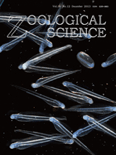
ZOOLOGICAL SCIENCE
Cultivating Knowledge for a Sustainable FutureZoological Science, published by the Zoological Society of Japan, is a leading journal dedicated to the fields of animal science and zoology. With its ISSN 0289-0003, this respected publication has established itself as a prominent source of scientific research, attaining a commendable Q2 ranking in the 2023 category of Animal Science and Zoology. Spanning over three decades, from 1992 to 2024, the journal offers a valuable platform for scholarly articles that explore various aspects of zoology, including ecology, behavior, and evolutionary biology. Although it operates under a traditional subscription model, its contributions are supported by a robust community of researchers and professionals who value its insights. The journal strives to foster academic discourse and insights that drive understanding and conservation of wildlife, making it an essential resource for students and established experts alike. The publishing headquarters located in Tokyo, Japan, further enhances its international reach and influence in zoological studies.