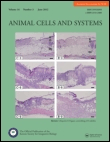
Animal Cells and Systems
metrics 2024
Elevating Understanding of Animal Systems and Cells
Introduction
Animal Cells and Systems, published by TAYLOR & FRANCIS LTD, is a prominent open-access journal that has been disseminating high-quality research since 2017. With an ISSN of 1976-8354 and an E-ISSN of 2151-2485, this journal is dedicated to advancing the understanding of animal cellular biology and the intricate systems that govern organismal functions. Recognized for its rigorous peer-review process, it holds an esteemed position in the academic community, boasting a Q1 ranking in Animal Science and Zoology and a Q2 ranking in Biochemistry, Genetics and Molecular Biology for 2023. The journal is indexed in Scopus, ranked #79/490 in Animal Science and Zoology and #85/221 in General Biochemistry, Genetics, and Molecular Biology, affirming its impact and relevance in these fields. With a commitment to providing researchers, professionals, and students with vital insights and cutting-edge research, Animal Cells and Systems is an essential resource for those looking to explore the complex landscapes of animal biology.
Metrics 2024
 0.632.502.4020
Metrics History
Rank 2024
Scopus
IF (Web Of Science)
JCI (Web Of Science)
Quartile History
Similar Journals

Physiology and Pharmacology
Disseminating high-quality research for a healthier future.Physiology and Pharmacology is a distinguished open access journal that has been disseminating high-quality research in the fields of physiology and pharmacology since its inception in 1997. Published by the Iranian Society of Physiology & Pharmacology, this journal offers a platform for scholars and practitioners to share innovative findings and advancements that contribute to the understanding of biological systems and drug action. With its ISSN 2476-5236 and E-ISSN 2476-5244, it ensures global reach and accessibility. The journal is positioned in the third quartile for Linguistics and Language and fourth quartile in both Pharmacology and Physiology categories according to Scopus rankings, reflecting a commitment to expanding knowledge within these interdisciplinary domains. Set within the academic landscape of Iran, the journal aims to bridge regional research with the international community, providing valuable insights into physiological processes and pharmacological developments. In light of its open access model, the Physiology and Pharmacology journal plays a crucial role in enhancing the visibility of research outcomes and fostering collaboration among researchers, professionals, and students on a global scale.
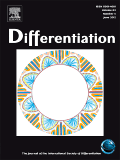
DIFFERENTIATION
Fostering Innovation in Cancer and Cell BiologyDIFFERENTIATION is a respected peer-reviewed journal published by Elsevier Science Ltd, dedicated to advancing knowledge in the fields of Cancer Research, Cell Biology, Developmental Biology, and Molecular Biology. With an established history since 1973, the journal continuously explores the intricacies of cellular and molecular processes that govern differentiation in biological systems, thus playing a pivotal role in shaping contemporary research directions. Currently indexed in the Q3 quartile across multiple relevant categories, it provides a crucial platform for researchers to disseminate their findings and engage with the scientific community. DIFFERENTIATION does not offer open access, but it remains a valuable resource for academics seeking to enhance their understanding of the fundamental mechanisms that underpin life sciences. By fostering a rigorous dialogue among scientists, it contributes significantly to the ever-evolving landscape of biochemistry and genetics.
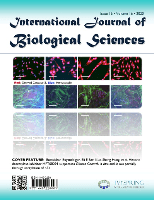
International Journal of Biological Sciences
Advancing the Frontiers of Life SciencesInternational Journal of Biological Sciences (ISSN: 1449-2288, E-ISSN: 1449-2288) is a premier open-access journal published by IVYSPRING INTERNATIONAL PUBLISHING since 2005, located in Australia. With a commitment to advancing knowledge in the life sciences, this journal covers a wide spectrum of disciplines, including Applied Microbiology and Biotechnology, Cell Biology, Developmental Biology, Ecology, Evolution, Behavior and Systematics, and Molecular Biology, earning a distinguished Q1 ranking in these fields as of 2023. It stands out with exceptional Scopus rankings, placing in the top ranks across multiple categories, such as the 98th percentile in Ecology, Evolution, Behavior and Systematics and the 94th percentile in Applied Microbiology and Biotechnology. The journal fosters an open access philosophy, ensuring that research findings are readily available to the scientific community and the public, and invites original research articles, reviews, and commentaries. With its mission to disseminate high-quality research, the International Journal of Biological Sciences serves as an essential resource for researchers, professionals, and students seeking to deepen their understanding and drive innovation in biological sciences.
Journal of Cell Communication and Signaling
Decoding the Language of Cells for a Healthier FutureThe Journal of Cell Communication and Signaling is a prestigious academic journal published by Springer, focused on advancing the understanding of cellular communication mechanisms and signaling pathways. Since its inception in 2007, this journal has established itself as a leading platform in the field, with a strong impact reflected in its 2023 categorizations: Q1 in Biochemistry, Q2 in Cell Biology, and Q2 in Molecular Biology. Researchers from around the globe rely on its rigorous peer-reviewed articles to gain insights into the complex molecular dialogue that underpins various biological processes. With an ISSN of 1873-9601 and E-ISSN of 1873-961X, the journal is committed to disseminating high-quality research that informs both academic studies and practical applications in biotechnology and medicine. Although not an open access publication, it provides essential resources tailored for professionals, students, and researchers, enhancing their knowledge of critical signaling pathways that drive health and disease. The journal is located in the Netherlands, at VAN GODEWIJCKSTRAAT 30, DORDRECHT, and stands out in the field, boasting impressive ranks among its peers in the Scopus database.

JOURNAL OF TRACE ELEMENTS IN MEDICINE AND BIOLOGY
Unveiling the Critical Role of Trace Elements in Human HealthThe JOURNAL OF TRACE ELEMENTS IN MEDICINE AND BIOLOGY, published by Elsevier GmbH, stands as a leading platform for disseminating pivotal research in the interdisciplinary field that bridges biochemistry, inorganic chemistry, and molecular medicine. With an impact factor reflective of its high-quality submissions and significant contribution to the scientific community, this journal currently holds a Q2 ranking in Biochemistry and a Q1 ranking in Inorganic Chemistry, underlining its esteemed status among peers. Since its inception in 1995 and continuing through to 2024, the journal has fostered a dynamic discourse on the fundamental roles of trace elements in biological systems, incorporating studies that range from their biochemical functions to their impact on health and disease. Researchers, professionals, and students alike can access a wealth of knowledge, missing Open Access options notwithstanding, making it indispensable for those at the forefront of scientific investigation in medicine and biology.
CELLULAR SIGNALLING
Illuminating Pathways in Biochemistry and GeneticsCELLULAR SIGNALLING, published by Elsevier Science Inc, is a premier journal within the realm of Cell Biology, boasting an impressive Q2 category ranking as of 2023. With an ISSN of 0898-6568 and an E-ISSN of 1873-3913, the journal has established itself as a critical platform for advancing the understanding of cellular mechanisms and signal transduction pathways since its inception in 1989. Covering a vast array of topics in Biochemistry, Genetics, and Molecular Biology, it ranks notably at 87 out of 285 in the Scopus list, placing it in the 69th percentile among its peers. The journal serves as an invaluable resource for researchers, professionals, and students seeking high-quality, impactful studies that drive forward the field of cellular biology. While it operates under traditional subscription access, its highlights include rigorous peer-reviewed articles, reviews, and insights that continue to shape current scientific discourse.

FEBS Journal
Catalyzing Progress in Biochemistry and BeyondFEBS Journal is a prestigious, peer-reviewed publication dedicated to advancing the field of biochemistry, cell biology, and molecular biology. Published by WILEY in the United Kingdom, this journal boasts an impressive impact factor and ranks in the top quartile (Q1) across multiple relevant categories, including Biochemistry, Cell Biology, and Molecular Biology, reflecting its significant contribution to scientific research. With an ISSN of 1742-464X and an E-ISSN of 1742-4658, the FEBS Journal publishes original research and comprehensive reviews that push the boundaries of knowledge and innovation in the biosciences. As a vital resource for researchers, professionals, and students alike, the journal offers Open Access options, ensuring that cutting-edge discoveries are accessible to a broad audience. With a publication history converging from 2005 to the present and a robust emphasis on high-quality scholarly work, the FEBS Journal remains an essential platform for the dissemination of significant findings and advancements in the life sciences.

Frontiers in Bioscience-Landmark
Shaping the Future of Bioscience ScholarshipFrontiers in Bioscience-Landmark is a prestigious journal published by IMR PRESS that focuses on a diverse array of topics within the fields of biochemistry, genetics, molecular biology, immunology, and microbiology. With the ISSN 2768-6701 and E-ISSN 2768-6698, this journal has carved a significant niche since its inception in 1996, making its mark in contributions to the scientific community all the way through to 2024. Having achieved a respectable Q2 cohort rank in multiple categories, including biochemistry and immunology, it stands out for its impactful research, evidenced by its current Scopus rankings which highlight it as a vital resource for ongoing studies and advancements in the biosciences. Despite not being open access, the journal ensures that readers have access to high-quality research articles that are peer-reviewed and designed to foster academic discourse. The importance of Frontiers in Bioscience-Landmark lies in its commitment to disseminating innovative findings that can significantly enhance our understanding of biological sciences, making it an essential read for researchers, professionals, and students alike.

Advances in Cancer Biology-Metastasis
Advancing Understanding, Transforming Outcomes.Advances in Cancer Biology-Metastasis is an emerging journal published by Elsevier, aimed at advancing our understanding of the complexities of cancer biology, with a specific focus on the mechanisms and pathways related to metastasis. With an E-ISSN of 2667-3940, this journal offers a platform for researchers, professionals, and students in the fields of Cancer Research and Cell Biology to disseminate innovative findings and discuss novel therapeutic approaches. Though currently classified in the Q4 quartile across both Cancer Research and Cell Biology categories, the journal aspires to enhance its impact through rigorous peer review and high-quality publication. Positioned to cover the years from 2021 to 2024, it seeks to bridge gaps in foundational knowledge and promote collaborative research efforts that could pivot the current understanding of cancer metastasis. Researchers are encouraged to take advantage of this platform to advocate for advancements in cancer biology, making significant contributions that can influence both academic and clinical practices.

CELLULAR AND MOLECULAR BIOLOGY
Transforming Knowledge in Cellular and Molecular BiologyCellular and Molecular Biology is a prominent academic journal published by C M B ASSOC, specializing in the dynamic fields of cellular and molecular biology. Established in 1977, this journal has consistently aimed to disseminate groundbreaking research that contributes to our understanding of biochemical processes, cell dynamics, and molecular mechanisms governing life. With its ISSN 0145-5680 and E-ISSN 1165-158X, the journal plays a vital role in the exchange of innovative ideas, evidenced by its coverage of research from 1977 to 2024. Although currently categorized in the Q4 quartile for major disciplines such as Biochemistry and Cell Biology, it is dedicated to fostering the development of the field by welcoming submissions that challenge the conventional understanding and lead to novel insights. Researchers and academics looking to contribute to or stay updated in the rapidly evolving landscape of molecular biology will find this journal a valuable resource for connecting with a global community of scientists.