APOPTOSIS
metrics 2024
Connecting Research in Biochemistry and Beyond
Introduction
APOPTOSIS is a prestigious journal published by Springer, focusing on the crucial field of cell death mechanisms and their implications in various biological contexts. Since its inception in 1996, this journal has become an essential resource for researchers and professionals, spanning the fields of Biochemistry, Cancer Research, Cell Biology, and Pharmaceutical Science, with a robust convergence period until 2024. The journal boasts impressive Scopus rankings, placing it in the top quartiles across its categories, highlighting its influence and relevance, particularly within the realms of Clinical Biochemistry and Pharmacology. Although it does not offer Open Access, it maintains a significant impact factor and is committed to advancing the understanding of apoptotic processes, making it a must-read for those engaged in cutting-edge biomedical research. Researchers and students alike will find valuable insights and contributions that push the boundaries of knowledge in the molecular mechanisms of apoptosis.
Metrics 2024
 1.436.105.60128
Metrics History
Rank 2024
Scopus
IF (Web Of Science)
JCI (Web Of Science)
Quartile History
Similar Journals
CELLULAR PHYSIOLOGY AND BIOCHEMISTRY
Pioneering Insights into Cellular ProcessesCellular Physiology and Biochemistry is a premier Open Access journal published by the prestigious Cell Physiol Biochem Press GmbH & Co, dedicated to advancing research in the fields of physiology, biochemistry, and molecular biology. Since its inception in 1987 and transitioning to an Open Access model in 2013, the journal has established itself as a vital resource for the dissemination of high-quality research and reviews, showcasing innovative methodologies and groundbreaking findings in cellular processes. With an impressive ranking in the 2023 Scopus category as Q2 in Physiology and a robust percentile of 61, Cellular Physiology and Biochemistry is committed to fostering academic dialogue among researchers, professionals, and students alike. This journal not only provides unrestricted access to its articles, but also promotes the global sharing of knowledge, which is essential for the advancement of our understanding in these vital scientific areas. The journal's editorial team is dedicated to ensuring the highest standards of academic rigor and relevance, making it an indispensable addition to the libraries of those engaged in the life sciences.
Cell Death & Disease
Leading the charge in transformative biomedical discoveries.Cell Death & Disease, published by SpringerNature, is a premier open-access journal dedicated to disseminating high-quality research on the mechanisms and implications of cell death, disease pathology, and therapeutic responses. Since its inception in 2010, the journal has quickly established itself within the top tier of academic publishing, achieving a notable impact factor and earning Q1 rankings in several critical categories including Cancer Research, Cell Biology, Cellular and Molecular Neuroscience, Immunology, and Medicine (miscellaneous). With its commitment to open access, Cell Death & Disease ensures that groundbreaking research is available to a global audience, fostering collaboration and advancing knowledge across disciplines. Residing at the forefront of crucial scientific discourse, this journal not only attracts submissions from leading researchers but also significantly influences the fields of molecular biology, immunology, and neurology. By bridging the gap between basic science and clinical applications, it provides vital insights for professionals, academicians, and students alike.

Cell Division
Illuminating the pathways of cellular processes.Cell Division, an esteemed journal published by BMC, serves as a critical platform for researchers in the fields of biochemistry, cell biology, and molecular biology, showcasing groundbreaking studies and novel insights in the mechanisms governing cell division. Since its establishment in 2006, this Open Access journal, based in the United Kingdom, has strived to promote rigorous scientific discourse, ensuring unrestricted access to its rich content. With a commendable impact factor reflected in its Q1 and Q2 categorizations across various biological disciplines, Cell Division is recognized for its influence and relevance in the academic community. Targeting professionals, researchers, and students alike, it aims to disseminate high-quality research findings that further our understanding of cellular processes and contribute to advances in medical and biotechnological applications. Engage with leading-edge research and broaden your knowledge base in cell biology through this dynamic publication that continues to evolve through 2024 and beyond.
MOLECULAR AND CELLULAR BIOCHEMISTRY
Unraveling the Mysteries of Molecular BiologyMOLECULAR AND CELLULAR BIOCHEMISTRY, an esteemed journal published by SPRINGER, serves as a prominent platform in the fields of biochemistry and molecular biology. With a history of dissemination since 1973, this journal has made significant contributions to the understanding of biochemical processes at the molecular level. The MOLECULAR AND CELLULAR BIOCHEMISTRY journal focuses on a myriad of topics including but not limited to cellular biochemistry, clinical biochemistry, and interdisciplinary approaches in medicine, boasting a commendable categorization in the 2023 Scopus ranks where it falls under Q3 in Cell Biology, Q2 in Clinical Biochemistry, Q1 in Medicine (miscellaneous), and Q2 in Molecular Biology. Although the journal is not open access, it provides access options through institutional subscriptions, making valuable research accessible to a wider audience. With its rigorous peer-review process and high impact within the scientific community, this journal aims to advance knowledge and stimulate exploration in biochemical research, making it essential reading for researchers, professionals, and students alike.
Cell Communication and Signaling
Illuminating the Pathways of Cellular DialogueCell Communication and Signaling is a premier peer-reviewed journal published by BMC that has made significant contributions to the fields of biochemistry, cell biology, and molecular biology since its establishment in 2003. As an open access journal, it offers unrestricted access to high-quality research, fostering collaboration and innovation among scientists around the globe. The journal is distinguished by its Q1 ranking in all three relevant categories for 2023, underscoring its critical role in advancing the understanding of cellular communication mechanisms and signaling pathways. Positioned within the United Kingdom, Cell Communication and Signaling has been an invaluable resource for researchers, professionals, and students alike, ensuring that the latest findings are accessible to a diverse range of audiences. With an impressive Scopus ranking—placing it in the top percentiles within its subject areas—this journal continues to set the standard for excellence in the pursuit of understanding complex cellular interactions.
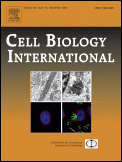
CELL BIOLOGY INTERNATIONAL
Advancing Knowledge in Cell BiologyCELL BIOLOGY INTERNATIONAL is a prestigious academic journal dedicated to the rapidly evolving field of cell biology, publishing high-quality research aimed at understanding cellular processes and their implications in various biological contexts. Published by Wiley, this journal has established its relevance with an H-Index that reflects its robust citation impact and a commendable Scopus Rank of #111 out of 285 in the field of Biochemistry, Genetics, and Molecular Biology, positioning it in the 61st percentile. Although it operates under a traditional subscription model, its influential insights are crucial for researchers, professionals, and students alike who are seeking cutting-edge developments in cellular mechanisms and their applications in medicine. The journal spans contributions dating back to 1993, providing a rich archive of knowledge that continues to shape the discourse within the scientific community. With a strong category ranking of Q3 in Cell Biology and Q2 in Medicine (miscellaneous) as of 2023, CELL BIOLOGY INTERNATIONAL stands as a reliable platform for disseminating transformative science in the cellular domain.

FOLIA BIOLOGICA
Advancing Biological Insights Since 1961FOLIA BIOLOGICA, published by Charles University Prague, First Faculty of Medicine, is an esteemed academic journal that has been contributing to the fields of Biochemistry, Cell Biology, Developmental Biology, Genetics, Immunology, and Molecular Biology since its inception in 1961. With an ISSN of 0015-5500, this journal serves as a vital platform for researchers and professionals to disseminate their findings and advance knowledge within these disciplines. Despite its current Category Quartiles ranking in the lower tiers (Q3 and Q4), FOLIA BIOLOGICA continues to provide valued insights and foster scholarly dialogue, particularly in its paralleled fields. The journal is headquartered in Prague, Czech Republic, and operates without Open Access options, which emphasizes its focus on curated, peer-reviewed content essential for academicians and students. By bridging theoretical and practical knowledge, FOLIA BIOLOGICA remains committed to enriching the scientific community and serving as a cornerstone for future research innovations.
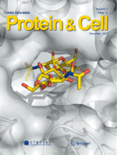
Protein & Cell
Connecting Researchers Through Open Access InsightsProtein & Cell, published by Oxford University Press, is a distinguished international journal focusing on cutting-edge research in the fields of biochemistry, biotechnology, cell biology, and drug discovery. This open access journal, active since 2014, is dedicated to disseminating innovative findings that advance our understanding of protein functions and cellular processes, making it an essential resource for researchers, professionals, and students alike. With an impressive 2023 impact factor reflected in its Q1 ranking across multiple categories such as Biochemistry, Drug Discovery, and Cell Biology, 'Protein & Cell' stands at the forefront of scientific research, driving collaboration and discussion in the scientific community. Researchers can access the journal freely online, fostering a global exchange of knowledge and contributing to significant advancements in medicine and biotechnology. Located in the United Kingdom, the journal strives to be a pivotal platform for impactful research that influences future studies and applications.
CELL BIOCHEMISTRY AND BIOPHYSICS
Illuminating the Interplay of Chemistry and Physics in CellsCELL BIOCHEMISTRY AND BIOPHYSICS is a distinguished journal published by HUMANA PRESS INC, focusing on critical advancements in the fields of biochemistry, biophysics, and cell biology. Since its establishment, the journal has provided a robust platform for the dissemination of cutting-edge research, covering diverse aspects of cellular biochemistry and the physical principles that underlie biological systems. With an emphasis on interdisciplinary studies, the journal aims to facilitate knowledge exchange among researchers, professionals, and students from various scientific backgrounds. As reflected in its 2023 category rankings, it holds a respectable position in Q3 for Biochemistry and Cell Biology, and Q2 for both Biophysics and Medicine (miscellaneous), indicating its significant contribution to these fields. Although it operates under a subscription model, the journal's commitment to maintaining high publication standards ensures that only impactful studies are shared with its audience. With a range of articles spanning theoretical insights to practical applications, CELL BIOCHEMISTRY AND BIOPHYSICS is an essential resource for those aiming to stay at the forefront of biochemical and biophysical research.
Anti-Cancer Agents in Medicinal Chemistry
Pioneering research in medicinal chemistry for cancer treatment.Anti-Cancer Agents in Medicinal Chemistry is a pivotal journal in the realm of cancer research, published by Bentham Science Publishers in the United Arab Emirates. With an ISSN of 1871-5206 and an E-ISSN of 1875-5992, this esteemed journal has been disseminating high-quality research since its inception in 2006, and is set to continue through 2024. The journal is categorized in the third quartile (Q3) across key areas including Cancer Research, Molecular Medicine, and Pharmacology, highlighting its essential role in providing valuable insights to the scientific community. Despite its open-access status being unspecified, researchers benefit from the rigorous peer-review process ensuring the publication of significant advancements. The journal ranks well within Scopus, particularly in the fields of Pharmacology and Cancer Research, which positions it as a notable resource for professionals, students, and researchers aiming to deepen their knowledge in anti-cancer strategies. Through its comprehensive scope, the journal aims to bridge the gap between medicinal chemistry and clinical applications, making it an indispensable tool for those dedicated to advancing cancer therapeutics.