
Application of Clinical Genetics
Scope & Guideline
Advancing the Frontiers of Genetic Medicine
Introduction
Aims and Scopes
- Clinical Genetics and Genetic Disorders:
The journal publishes research on various genetic disorders, including rare syndromes, mutations, and their clinical implications. This includes case reports and reviews that highlight specific genetic conditions and their management. - Genomic Technologies and Applications:
Research on the application of advanced genomic technologies, such as chromosomal microarray analysis and next-generation sequencing, is a central focus. The journal highlights studies that utilize these technologies to diagnose and understand genetic disorders. - Population Genetics and Ethnic Variability:
The journal explores genetic variations across different populations, emphasizing the importance of understanding ethnic diversity in genetic research. This includes studies on polymorphisms and their associations with diseases in specific populations. - Genetic Counseling and Ethical Implications:
It addresses the role of genetic counseling in managing genetic disorders, discussing ethical considerations, particularly in prenatal and preimplantation genetic testing. - Translational Research and Precision Medicine:
The journal emphasizes translational research that connects laboratory findings with clinical applications, particularly in the context of precision medicine and tailored treatment strategies.
Trending and Emerging
- Precision Medicine and Personalized Treatment:
There is an increasing focus on precision medicine, with studies discussing the implications of genetic variants for personalized treatment plans. This trend emphasizes the growing importance of tailoring therapies based on individual genetic profiles. - Advancements in Preimplantation Genetic Testing:
Recent papers explore the advancements and outcomes of preimplantation genetic testing, particularly in relation to various genetic conditions. This reflects a burgeoning interest in reproductive genetics and ethical considerations surrounding these technologies. - Integration of Genomic Data in Clinical Practice:
The integration of genomic data into routine clinical practice is gaining momentum, as evidenced by studies examining the impact of genomic findings on diagnosis and treatment strategies. This trend suggests a shift towards more data-driven approaches in clinical genetics. - Emerging Genetic Syndromes and Case Reports:
A surge in case reports of newly identified genetic syndromes showcases the journal's commitment to documenting rare conditions and their clinical characteristics. This trend highlights the ongoing discovery of genetic disorders and their implications for patient management. - Genetic Epidemiology and Public Health Implications:
There is a growing interest in the public health aspects of genetic research, including studies on genetic susceptibility to diseases in various populations. This trend underscores the importance of understanding genetic factors in broader health contexts.
Declining or Waning
- General Reviews on Broad Genetic Topics:
There has been a noticeable decline in publications that provide broad reviews on genetic topics without a specific clinical application or case study. This trend suggests a move towards more focused research that directly impacts clinical practice. - Historical Perspectives on Genetic Disorders:
Papers providing historical context or retrospective analyses of genetic disorders seem to be less frequent. The journal now favors contemporary studies that showcase current advancements and immediate clinical relevance. - Basic Genetic Mechanisms without Clinical Implications:
Research focused solely on basic genetic mechanisms, without clear links to clinical outcomes or applications, is becoming less common. The emphasis is now on studies that translate basic findings into clinical practice.
Similar Journals

EUROPEAN JOURNAL OF HUMAN GENETICS
Connecting Researchers in the Field of Human GeneticsThe EUROPEAN JOURNAL OF HUMAN GENETICS, published by SpringerNature, stands as a preeminent platform in the field of genetics and clinical genetics. Established in 1993, this prestigious journal, with an ISSN of 1018-4813 and an E-ISSN of 1476-5438, has consistently maintained its position in the Q1 quartile for both Genetics and Clinical Genetics categories as of 2023, reflecting its significant contributions to the field. Its impact is further underscored by its impressive Scopus rankings, placing it in the 92nd percentile among clinical genetics journals. The journal aims to disseminate cutting-edge research, case studies, and reviews that advance our understanding of human genetics, promoting collaboration and innovation among researchers, professionals, and students alike. While it does not currently offer open access, the journal provides substantial value through its rigorous peer review process and commitment to quality. As it continues to shape the future of genetic research through 2024 and beyond, the EUROPEAN JOURNAL OF HUMAN GENETICS remains an essential resource for those dedicated to exploring the complexities of human heredity.
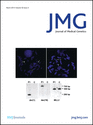
JOURNAL OF MEDICAL GENETICS
Unlocking the Secrets of Genetics for Clinical Innovation.JOURNAL OF MEDICAL GENETICS, published by the BMJ PUBLISHING GROUP, stands as a premier platform in the field of genetics, focusing on both fundamental genetic research and its clinical applications. With a distinctive legacy dating back to 1965 and a significant role in advancing the understanding of genetic disorders, this journal has established itself in the top tiers with a commendable Q1 category ranking in both Genetics and Clinical Genetics as of 2023. The journal's impact is underscored by its Scopus rankings, placing it among the leading journals in the fields of medicine and genetics. Researchers and practitioners are drawn to its rigorous peer-review process and its commitment to disseminating high-quality research findings, critical reviews, and innovative clinical practices. While it is not an open-access journal, the insights provided are invaluable for anyone looking to deepen their knowledge or contribute to the burgeoning field of medical genetics.
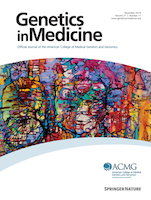
GENETICS IN MEDICINE
Leading the Charge in Clinical GeneticsGENETICS IN MEDICINE, published by Elsevier Science Inc, stands as a premier journal in the realms of clinical genetics and medicine. With an impressive impact factor and ranked #3 out of 99 in the category of Genetics (clinical), alongside a 97th percentile ranking in the Scopus database, this journal is recognized for its outstanding contribution to the field. Established in 1998, it aims to disseminate innovative research and clinical advancements bridging genetics and medical practice, making it essential reading for researchers, healthcare professionals, and students alike. Although not an open-access journal, GENETICS IN MEDICINE provides valuable insights into genetics that drive the future of personalized medicine and patient care. With a commitment to excellence, the journal continuously explores the evolving landscape of genetic research to foster the understanding and application of genetic principles in medical contexts.
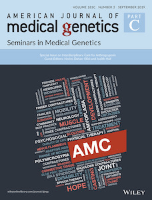
AMERICAN JOURNAL OF MEDICAL GENETICS PART C-SEMINARS IN MEDICAL GENETICS
Transforming Insights into Genetic Solutions for Tomorrow.AMERICAN JOURNAL OF MEDICAL GENETICS PART C-SEMINARS IN MEDICAL GENETICS is a premier peer-reviewed journal published by Wiley, focusing on the intricate and evolving field of medical genetics. With its ISSN 1552-4868 and E-ISSN 1552-4876, the journal has established itself as a significant resource for researchers, professionals, and students alike, addressing cutting-edge developments in genetic research and clinical practice. Ranked in the top quartile (Q2) in both Genetics and clinical Genetics categories for 2023, it maintains an impressive Scopus ranking, positioning it within the 75th and 71st percentiles for Medicine and Genetics respectively. The journal encourages open access to its content, promoting wider dissemination of knowledge and fostering collaboration among medical genetics experts. From its inaugural issues in 1980 to its ongoing publications, the journal aims to bridge the gap between genetics research and its clinical applications, providing insights that reflect the latest advancements in the field. As it continues to serve the global medical community, the AMERICAN JOURNAL OF MEDICAL GENETICS PART C remains a vital source for those seeking to understand the complexities of genetic disorders and their implications for health and disease.
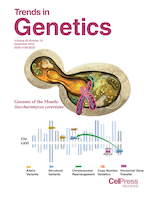
TRENDS IN GENETICS
Advancing the Frontiers of Genetic ResearchTRENDS IN GENETICS, published by CELL PRESS, is a leading journal in the field of genetics, recognized for its significant impact on research and advancements in the discipline. With an impressive Scopus ranking of #10 out of 347 in the category of Genetics and a 97th percentile ranking, this journal stands as a premier platform for publishing innovative, high-quality articles that shape the future of genetic research. Since its inception in 1985, TRENDS IN GENETICS has been at the forefront of the genetic sciences, continuously disseminating crucial findings while maintaining a strong commitment to scientific rigor and integrity. Although it does not currently offer open access options, its rigorous peer-review process ensures that only the most relevant and groundbreaking studies make it to publication. Scholars and practitioners in genetics will find this journal to be an invaluable resource for keeping abreast of the latest developments, trends, and methodologies that drive the field forward.
Egyptian Journal of Medical Human Genetics
Fostering collaboration in the evolving field of medical genetics.The Egyptian Journal of Medical Human Genetics is a distinguished Open Access journal published by SPRINGER NATURE, dedicated to advancing the field of medical human genetics. With an ISSN of 1110-8630 and an E-ISSN of 2090-2441, this journal serves as a vital platform for researchers, professionals, and students who are committed to the exploration of genetic implications on human health. Since its inception in 2010, it has become a growing repository of knowledge, significantly contributing to the discourse in clinical genetics, despite currently being ranked in the Q4 quartile of its category in 2023. The journal embraces an open access model, ensuring widespread visibility and accessibility of published research, thereby fostering collaboration and innovation in the field. The journal is not only aimed at disseminating findings but also at encouraging the dialogue around genetic research developments, making it an essential resource for anyone interested in the nuances of genetics and its impact on medicine.

Balkan Journal of Medical Genetics
Unlocking the potential of genetics in the Balkans and beyond.Balkan Journal of Medical Genetics is an esteemed scientific publication dedicated to advancing research in the field of medical genetics. Established in 2000 and published by SCIENDO, the journal has embraced an Open Access model since 2007, ensuring that vital findings are readily accessible to researchers, healthcare professionals, and students worldwide. With an ISSN of 1311-0160 and an E-ISSN of 2199-5761, this journal serves as a platform for innovative studies and clinical findings, although it currently ranks in the lower quartiles within its categories according to the 2023 Scopus rankings. The journal's geographical roots in Macedonia reflect the region's commitment to contributing to the global understanding of genetics. By publishing high-quality research, the Balkan Journal of Medical Genetics aims to foster collaboration and knowledge exchange among scientists and healthcare providers, ultimately enhancing patient care and genetic research practices.
Cancer Genetics
Bridging Genetics and Cancer for a Healthier TomorrowCancer Genetics is an esteemed peer-reviewed journal dedicated to advancing the field of cancer research through the lens of genetics. Published by Elsevier Science Inc and available in both print (ISSN: 2210-7762) and online (E-ISSN: 2210-7770), this journal aims to provide a platform for the dissemination of high-quality studies that unravel the genetic underpinnings of cancer. Since its inception in 2011, Cancer Genetics has become a significant resource for researchers, professionals, and students with a shared interest in understanding the intricate relationship between genetics and oncogenesis. With an impact factor that reflects its influence, the journal has maintained a Q3 ranking in Cancer Research, Genetics, and Molecular Biology as of 2023, indicating its growing importance in these fields. Additionally, the journal offers open access options to ensure that crucial findings are easily accessible to the global research community. By bridging the gap between genetics and cancer studies, Cancer Genetics plays a pivotal role in fostering innovation and collaboration among scientists and clinicians striving to improve cancer diagnosis and treatment.
Human Genome Variation
Unraveling the Secrets of Our DNAHuman Genome Variation, published by SpringerNature, is an esteemed open access journal dedicated to the field of genetic research and exploration. Since its inception in 2014, the journal has been at the forefront of advancing our understanding of human genome diversity and its implications in health and disease. With an E-ISSN of 2054-345X, it features a diverse array of studies that encompass biochemistry, genetics, and molecular biology, making it an invaluable resource for researchers and professionals alike. The journal holds a Q3 ranking in both biochemistry and genetics, and a Q4 ranking in molecular biology, highlighting its growing influence within these disciplines. As the landscape of genomics continues to evolve, Human Genome Variation serves as a platform for the dissemination of high-quality research, fostering collaboration and innovation within the scientific community. Researchers and academics are invited to contribute to this pivotal journal, which not only provides open access to its content since 2014 but also aims to bridge the gap between basic research and clinical applications in genetics.
npj Genomic Medicine
Shaping the Future of Healthcare with Genomic Insightsnpj Genomic Medicine is a leading open-access journal published by NATURE PORTFOLIO, specializing in the rapidly evolving areas of genomic medicine, including genetics, molecular biology, and clinical applications. Launched in 2016, the journal has quickly established itself within the academic community, boasting a prestigious Q1 ranking in multiple categories, including Genetics and Molecular Biology, with remarkable positions in both Scopus ranks and percentiles. With an emphasis on innovative genomic research that bridges the gap between laboratory findings and clinical implementation, npj Genomic Medicine aims to provide a platform for researchers, professionals, and students to share significant advancements and insights. Being an open-access journal enhances accessibility to cutting-edge research, ensuring that vital discoveries in genomics can benefit a global audience and facilitate interdisciplinary collaboration. The journal continues to contribute to the forefront of genomic research, impacting both academic scholarship and practical healthcare solutions.