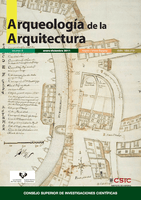
Arqueologia de la Arquitectura
metrics 2024
Illuminating the Past to Shape Tomorrow's Architecture
Introduction
Arqueologia de la Arquitectura is a premier scholarly journal published by CONSEJO SUPERIOR INVESTIGACIONES CIENTIFICAS-CSIC, specializing in the intricate intersections of architecture, archaeology, and conservation. Since its inception in 2002, this Open Access journal has provided researchers, professionals, and students with a platform to share innovative findings that deepen our understanding of architectural heritage and its archaeological contexts. Based in Spain, it has demonstrated remarkable academic rigor and impact, achieving Q1 rankings in multiple categories, including Architecture and Visual Arts and Performing Arts, alongside a Q2 in Archaeology as of 2023. With a robust presence in Scopus, ranking within the 88th percentile for Visual Arts and Performing Arts, Arqueologia de la Arquitectura stands as a crucial resource for those dedicated to the preservation and study of our built heritage, encouraging interdisciplinary dialogue and research advancements in these elegant fields of study.
Metrics 2024
 0.370.600.6010
Metrics History
Rank 2024
Scopus
JCI (Web Of Science)
Quartile History
Similar Journals

BULLETIN MONUMENTAL
Illuminating France's Monumental Treasures.BULLETIN MONUMENTAL, published by the Société Française d'Archéologie Musée Monument Français, stands as a pivotal journal in the field of archaeology and architectural history. With its ISSN of 0007-473X, this journal features a rich compilation of research and insights dedicated to the preservation and study of France's monumental heritage. Although it is not currently open access, its contributions are critical for scholars, professionals, and students interested in the intersection of history, culture, and preservation practices. Covering a continuous period from 2002 to 2016, the journal has played an essential role in documenting advancements in archaeological methodology and conservation efforts, making it an invaluable resource in its field. Researchers seeking to deepen their understanding of architectural monuments in France will find BULLETIN MONUMENTAL a vital source of scholarly articles and field studies.

TRANSACTIONS OF THE ANCIENT MONUMENTS SOCIETY
Preserving the Past, Inspiring the FutureTRANSACTIONS OF THE ANCIENT MONUMENTS SOCIETY is a distinguished journal published by the Ancient Monuments Society in the United Kingdom, focusing on the rich interplay between architecture, conservation, and religious studies as they pertain to ancient monuments and heritage. With an ISSN of 0951-001X, this journal serves as an essential platform for researchers, professionals, and students interested in exploring methodologies, case studies, and theoretical perspectives that enhance our understanding of historical preservation and cultural significance. Although it has been classified in Q4 quartiles in prominent categories such as Architecture, Conservation, and Religious Studies, the journal plays a vital role in fostering scholarly dialogue in these areas. Access options and updates are available, making it easier for enthusiasts and experts alike to engage with ongoing discussions surrounding ancient monuments. Despite its discontinued coverage in Scopus, the journal remains an invaluable resource for those aiming to contribute to the conservation discourse and to understand the relevance of ancient sites in contemporary society.

Ra-Revista de Arquitectura
Bridging theory and practice in the visual arts.Ra-Revista de Arquitectura is an esteemed open-access journal published by UNIV NAVARRA, SERVICIO PUBLICACIONES in Spain, dedicated to the fields of architecture and the visual arts. With an ISSN of 1138-5596 and an E-ISSN of 2254-6332, this journal aims to foster a critical dialogue among scholars, practitioners, and students by offering original research, reviews, and case studies that challenge conventional architectural paradigms and inspire innovation. Since transitioning to an open-access model in 2012, Ra has expanded its reach, allowing free access to knowledge that resonates within both academic and professional communities. Although the journal is currently ranked in Q4 in its respective categories, it remains a vital platform for emerging voices and advancements in the architecture and visual arts disciplines. Researchers can find valuable insights that push the boundaries of both theory and practice. The journal is part of a vibrant academic tradition, contributing to a deeply reflective cultural heritage, and it invites contributors from diverse backgrounds to submit their works for consideration.

Zograf
Exploring new dimensions in visual and performing arts.Zograf is a distinguished open-access journal published by the University of Belgrade's Institute of Art History, Faculty of Philosophy, dedicated to the fields of Archeology, History, and Visual Arts and Performing Arts. With an ISSN of 0350-1361 and an E-ISSN of 2406-0755, Zograf has made substantial contributions to research within its domain since transitioning to open access in 2002. Situated in Serbia, the journal has achieved notable recognition, ranking in the Q1 category for both History and Visual Arts and Performing Arts, and in the Q2 category for Archeology in the recent 2023 evaluations. This positioning underscores its significance and influence among peers, making it an invaluable resource for researchers, academics, and students alike. The journal's commitment to disseminating high-quality scholarship facilitates interdisciplinary dialogue and advances knowledge in the humanities, while its open-access model ensures that research is freely available to a global audience. Zograf's editorial board comprises leading scholars who are dedicated to promoting innovative research that inspires future generations of scholars.
International Journal of Architectural Heritage
Preserving the Past, Shaping the Future.The International Journal of Architectural Heritage is a premier publication dedicated to the multidisciplinary fields of architecture, conservation, and visual arts. Published by TAYLOR & FRANCIS INC, this journal serves as a vital platform for scholars and practitioners who aim to advance knowledge in the preservation of cultural heritage and architectural innovation. With an impressive impact factor reflecting its critical acclaim, including rankings in the top quartile (Q1) across multiple categories in 2023, the journal is recognized as a key resource in Arts and Humanities, particularly in Visual Arts and Performing Arts and Conservation. Since its inception in 2007, the journal has consistently provided rigorous peer-reviewed research, offering enriching insights and fostering collaborations amongst students, researchers, and professionals committed to the future of architectural heritage. As it continues to influence the field through its diverse and impactful contributions, readers can expect to engage with leading-edge studies that not only illuminate current trends but also inspire innovative practices in safeguarding architectural legacies.

Disegnare Idee Immagini-Ideas Images
Unveiling the Artistry Behind Architectural InnovationDisegnare Idee Immagini-Ideas Images is a distinguished academic journal published by GANGEMI EDITORE SPA, specializing in the fields of Architecture, Visual Arts, and Performing Arts. With an ISSN of 1123-9247, this journal serves as a vital platform for the dissemination of innovative ideas and research findings in these dynamic disciplines. Over its publication span from 2009 to 2023, it has established itself in the academic community, achieving a respectable ranking in the third quartile for Architecture and second quartile for Visual Arts and Performing Arts as of 2023. Although not an Open Access journal, it offers rich content that appeals to researchers, professionals, and students alike, fostering collaboration and dialogue among scholars in Italy and beyond. The journal is an invaluable resource for those looking to explore the intersections of design and artistic expression.

EGA-Revista de Expresion Grafica Arquitectonica
Exploring the Intersection of Architecture and Artistic VisionEGA-Revista de Expresion Grafica Arquitectonica is a premier academic journal published by UNIV POLITECNICA VALENCIA, EDITORIAL UPV, specializing in the fields of architecture and visual arts. This Open Access journal has been a vital resource for scholars since its inception in 2003, facilitating the dissemination of innovative research and practice in these dynamic disciplines. With an exemplary Q2 ranking in Architecture and a stellar Q1 position in Visual Arts and Performing Arts for 2023, EGA exemplifies high standards of scholarly excellence, making it a critical platform for interdisciplinary dialogue. Its impact is further underscored by its Scopus rankings, placing it at the 67th percentile in Visual Arts and Performing Arts and the 41st percentile in Architecture, reflecting its growing influence within the academic community. Designed for researchers, professionals, and students alike, EGA aims to foster insightful exchange and knowledge advancement, thereby enhancing the future of architecture and artistic expression.

Radovi Instituta za Povijest Umjetnosti-Journal of the Institute of Art History
Unveiling Artistic Narratives Through Scholarly Insight.Radovi Instituta za Povijest Umjetnosti-Journal of the Institute of Art History is a distinguished academic journal dedicated to the exploration and critical analysis of art history, with a special emphasis on the visual arts and performing arts. Published by INST POVIJEST UMJETNOSTI-INST ART HISTORY in Croatia, this journal provides an essential platform for researchers and practitioners to disseminate their findings and engage in scholarly discourse. Since its transition to Open Access in 2008, it has significantly increased the accessibility of its content, fostering a global exchange of ideas. The journal is indexed in notable databases, reflecting its impact within its field, with a current ranking that places it in the Q4 category for History and in Q3 for Visual Arts and Performing Arts. As it spans its converged years from 2015 to 2024, Radovi is poised to expand its influence and continue contributing to the understanding of art historical narratives. Researchers, professionals, and students alike will find this journal a valuable resource for contemporary discussions and theoretical advancements in the study of art.

Cuadernos de Proyectos Arquitectonicos
Exploring new horizons in architectural design and research.Cuadernos de Proyectos Arquitectonicos is an influential open-access journal dedicated to the field of architecture, published by the prestigious Universidad Politécnica de Madrid. Since its inception in 2010, this journal has served as a vital platform for architectural researchers, professionals, and students to share innovative ideas and comprehensive studies that advance the discourse in architectural design and project development. With its ISSN 2171-956X and E-ISSN 2174-1131, the journal aims to disseminate high-quality peer-reviewed articles, case studies, and theoretical insights that contribute to the understanding and evolution of architecture in contemporary society. The journal facilitates a global reach for its authors and readers, supporting the dissemination of knowledge in a rapidly changing architectural landscape. By providing open access to its content, Cuadernos de Proyectos Arquitectonicos aims to foster an inclusive academic environment, encouraging collaborative discourse and the exchange of innovative practices within the architectural community.

EGE-Revista de Expresion Grafica en la Edificacion
Igniting creativity in building design through scholarly insights.EGE-Revista de Expresion Grafica en la Edificacion, published by UNIV POLITECNICA VALENCIA, EDITORIAL UPV, is a distinguished open-access journal that has been contributing to the field of graphic expression in building design and architecture since 1999. With an ISSN of 1888-8143 and an E-ISSN of 2605-082X, this journal aims to publish innovative research and scholarly articles that enhance the understanding and application of graphical techniques in the construction and design sectors. As part of the reputable editorial portfolio of Universitat Politècnica de València, it holds a significant place among professionals, researchers, and students interested in architectural expression, visualization methodologies, and digital tools in the built environment. The open-access nature of EGE ensures that high-quality research is accessible to a broad audience, fostering collaboration and knowledge sharing within the academic community and industry alike.