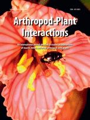
Arthropod-Plant Interactions
metrics 2024
Bridging disciplines to illuminate plant-arthropod dynamics.
Introduction
Arthropod-Plant Interactions, published by SPRINGER, is an esteemed journal dedicated to the interdisciplinary study of the complex interactions between arthropods and plants. With an ISSN of 1872-8855 and E-ISSN of 1872-8847, this journal has been nurturing academic dialogue since its inception in 2008, boasting a projected convergence period extending to 2024. As a reputable source in the fields of Agronomy, Ecology, and Insect Science, it holds a commendable Q2 ranking across multiple categories, reflecting its significant impact in fostering research and knowledge dissemination. Situated in the Netherlands, the journal emphasizes rigorous peer-reviewed articles that contribute to our understanding of ecological relationships and evolutionary dynamics. Currently available through traditional access options, Arthropod-Plant Interactions serves as an essential platform for researchers, professionals, and students alike, offering insights that are critical for advancing both theoretical knowledge and practical applications in agricultural and ecological practices.
Metrics 2024
 0.461.201.7042
Metrics History
Rank 2024
Scopus
IF (Web Of Science)
JCI (Web Of Science)
Quartile History
Similar Journals
AGRICULTURE ECOSYSTEMS & ENVIRONMENT
Advancing Sustainable Practices in Agriculture and EcologyAGRICULTURE ECOSYSTEMS & ENVIRONMENT is a premier journal published by Elsevier, specializing in the fields of agronomy, animal science, and ecology. With an impressive impact factor reflective of its stature, it ranks in the top quartile (Q1) across three significant categories, highlighting its critical role in advancing research within the agricultural and environmental sciences. The journal serves as a vital platform for disseminating high-quality research that addresses the complex interactions between agriculture and ecosystems, providing insightful methodologies and findings that inform sustainable practices. As the journal continues to converge from 1983 and through to 2025, it remains committed to offering both traditional and innovative access options while contributing to the academic community's understanding of pressing environmental challenges. Researchers, professionals, and students are encouraged to engage with the journal's comprehensive content, which is positioned among the elite in its fields, having achieved top rankings in Scopus across relevant disciplines.
ANNALS OF APPLIED BIOLOGY
Exploring the intersection of biology and agronomy.Annals of Applied Biology, published by Wiley, stands as a pivotal resource in the fields of Agronomy and Crop Science, boasting an impressive impact factor that reflects its significance and influence in the academic community. With a storied history dating back to 1914, this journal serves as a comprehensive platform for innovative research and applied studies in agricultural biology, specifically aimed at improving crop production and sustainable practices. Currently categorized in the Q1 quartile for Agronomy and Crop Science in 2023, it ranks an admirable 82 out of 406 in the Scopus database, placing it within the top 79th percentile of its category. Researchers, professionals, and students worldwide rely on the Annals of Applied Biology for cutting-edge insights and advancements in applied biological research, making it a vital component of the scientific discourse aimed at addressing pressing agricultural challenges. Please note that this journal does not offer open access options, thus ensuring a rigorous peer review process and the integrity of published work.
Journal of Plant Interactions
Bridging Disciplines in Plant EcologyThe Journal of Plant Interactions, published by Taylor & Francis Ltd in the United Kingdom, serves as a leading open-access platform dedicated to advancing the understanding of plant interactions and their ecological implications. Established in 2005 and transitioning to open access in 2015, this journal focuses on both fundamental and applied aspects of plant interactions, providing invaluable insights for researchers, professionals, and students within the fields of Ecology and Plant Science. With a commendable impact factor and ranked in the second quartile (Q2) for both Ecology, Evolution, Behavior and Systematics and Plant Science, it reflects the quality and relevance of its published research. Researchers aiming to publish innovative studies on plant behavior and ecosystem dynamics will find a welcoming avenue for their work, as the journal is dedicated to fostering open dialogue and sharing knowledge across disciplines.
PLANT BIOSYSTEMS
Cultivating Insights into Ecological Plant SystemsPLANT BIOSYSTEMS, published by TAYLOR & FRANCIS LTD, is a leading academic journal dedicated to advancing the understanding of plant systems and their ecological interactions. With an ISSN of 1126-3504 and an E-ISSN of 1724-5575, this journal holds a significant place in the fields of Ecology and Plant Science, earning a Q2 rank in both categories as of 2023. Established in 1993 and continuing robustly through to 2024, it aims to provide a platform for pioneering research that encompasses a wide array of topics, from evolutionary biology to plant-environment interactions. Although not an open-access journal, it maintains a strong reputation, backed by its impressive Scopus rankings—positioned at #179 in Ecology, Evolution, Behavior and Systematics and #138 in Plant Science, placing it within the top percentiles. PLANT BIOSYSTEMS is a vital resource for researchers, professionals, and students who are keen to contribute to and learn from cutting-edge findings in the ever-evolving domain of plant sciences.
Journal of Plant Ecology
Innovating Understanding in Plant ScienceJournal of Plant Ecology, published by Oxford University Press, is a premier journal dedicated to advancing the scientific understanding of plant ecology. With an ISSN of 1752-9921 and an E-ISSN of 1752-993X, this journal has established itself as a leading resource in the field, maintaining a prestigious Q1 ranking across multiple categories in the 2023 Scopus rankings, including Ecology, Evolution, Behavior and Systematics and Plant Science. The journal's commitment to high-quality research is underscored by its influence in agricultural and biological sciences, reflected in its competitive percentiles. While currently not offering open access, its comprehensive scope spans various ecological issues critical to understanding plant interactions and ecosystems, making it an essential read for researchers, educators, and students alike. The Journal of Plant Ecology not only facilitates the dissemination of vital findings but also fosters collaboration within the global scientific community. Discover more about the latest innovative research and key developments in plant ecology, and contribute to the dialogue that shapes our understanding of environmental stewardship and biodiversity conservation.
Insect Science
Elevating the impact of insect science on global ecosystems.Insect Science, published by WILEY, stands as a prestigious journal in the realms of Agronomy, Biochemistry, Genetics, and Insect Ecology. The journal, with ISSN 1672-9609 and E-ISSN 1744-7917, has firmly established itself as a significant resource for researchers and professionals seeking to explore the intricate dynamics of insects and their crucial roles in ecosystems. With a remarkable impact factor placing it in the Q1 quartile across multiple categories, including Ecology and Evolution and Agronomy and Crop Science, Insect Science ranks impressively at #8 out of 181 in the realm of Insect Science on Scopus, showcasing its influence and relevance in the field. Spanning its coverage from 1994 to 2024, this journal invites contributions that advance our understanding of insect biology, behavior, and their interactions within agricultural contexts. The commitment to high-quality research and its role in fostering interdisciplinary dialogue make Insect Science an essential platform for scholars and practitioners at the forefront of insect-related studies.

Agronomy-Basel
Nurturing the Future of Agronomy with Cutting-Edge ResearchAgronomy-Basel is a leading international journal dedicated to advancing the field of agronomy and crop science, published by the respected MDPI. Since its inception in 2011, this open-access journal has provided a vital platform for the dissemination of high-quality research, featuring innovative studies and reviews that contribute to the understanding of agricultural practices and crop management. With an impressive impact factor and ranked in the Q1 quartile of its category for 2023, Agronomy-Basel has established itself as a premier resource in the realm of Agricultural and Biological Sciences, achieving a commendable rank of #62 out of 406 in its field, placing it in the 84th percentile. The journal targets researchers, professionals, and students who are dedicated to enhancing agricultural sustainability and productivity. Located in Basel, Switzerland, the journal's commitment to open access empowers global accessibility to flourishing agricultural advancements, thus fostering collaboration and innovation across the globe.

TROPICAL ECOLOGY
Unveiling the Secrets of Tropical BiodiversityTropical Ecology is a distinguished journal published by SpringerNature that has been at the forefront of advancing the field of ecology since its inception. With a focus on tropical ecosystems, it addresses critical areas such as conservation biology, systematics, and environmental science. The journal is indexed within leading databases and enjoys a respectable impact factor, ranking in the second quartile (Q2) in Ecology as well as in Plant Science, and third quartile (Q3) in Ecology, Evolution, Behavior and Systematics for 2023. Its insightful research contributions place it among the top-tier publications in Agricultural and Biological Sciences, specifically in rankings such as #185 in Plant Science and #178 in Ecology. While it currently operates under subscription access, it remains an essential resource for researchers, professionals, and students interested in the dynamics of tropical environments, fostering a greater understanding of ecological principles and practices that are pivotal for sustainable development. The journal operates with continuous publication from 1976 to 2024, ensuring timely dissemination of impactful research findings that contribute to the global body of knowledge.
Acta Ecologica Sinica
Empowering scholars to shape the future of ecological science.Acta Ecologica Sinica, published by Elsevier, is a prominent journal in the field of ecology, with a strong focus on fostering understanding in ecological principles and their applications. Established in China, this journal holds an impressive Q2 categorization in both Ecology and Ecology, Evolution, Behavior and Systematics as of 2023, positioning it within the top tier of ecological research. With its Scopus rankings placing it in the 81st and 78th percentiles in relevant ecological domains, it serves as a vital platform for researchers and practitioners to disseminate findings that promote ecological sustainability. Although it operates under a traditional access model, its significant impact is underscored by its systematic convergence of key ecological inquiries across multiple years (2006-2008, 2014, 2017-2023). By engaging with the latest empirical studies, theoretical advancements, and methodological innovations, Acta Ecologica Sinica is indispensable for scholars dedicated to advancing ecological knowledge and addressing environmental challenges.

Egyptian Journal of Biological Pest Control
Advancing sustainable pest management through innovative research.The Egyptian Journal of Biological Pest Control, published by SPRINGER, is a premier open-access journal dedicated to advancing the field of biological pest management. With its ISSN 1110-1768 and E-ISSN 2536-9342, this journal has established a reputation for disseminating high-quality research since its inception in 2008. Its commitment to open access since 2018 enhances its accessibility, making vital research available to a global audience. The journal boasts impressive Scopus rankings, including a Q1 classification in Agronomy and Crop Science and Insect Science for 2023, demonstrating its significant influence in the realms of ecological and agricultural research. The journal serves as an essential platform for researchers, professionals, and students interested in sustainable pest control strategies, focusing on the integration of biological methods within conventional agricultural practices. Based in Egypt, it plays a crucial role in addressing both regional and global challenges in pest management, affirming its importance in the scientific community.