BULLETIN OF VOLCANOLOGY
metrics 2024
Exploring the Dynamics of Earth's Fiery Heart
Introduction
BULLETIN OF VOLCANOLOGY, an esteemed journal published by Springer, serves as a vital platform for disseminating cutting-edge research in the field of volcanology and related geosciences. With its ISSN 0258-8900 and E-ISSN 1432-0819, this journal has garnered a reputation for excellence, evidenced by its Q1 ranking in Geochemistry and Petrology as of 2023, and its impressive Scopus rank of #39 out of 154 in Earth and Planetary Sciences. Established in 1930 and spanning converged years until 2024, the journal has continuously provided researchers, professionals, and students a comprehensive view into volcanic processes, their impacts on the environment, and the implications for climate change. Although not open access, the valuable insights and groundbreaking studies published within its pages ensure that BULLETIN OF VOLCANOLOGY is indispensable for those seeking to deepen their understanding of the dynamic Earth.
Metrics 2024
 1.243.602.90105
Metrics History
Rank 2024
Scopus
IF (Web Of Science)
JCI (Web Of Science)
Quartile History
Similar Journals

Quaderni di Geofisica
Pioneering Multidisciplinary Insights in Earth SciencesQuaderni di Geofisica is a distinguished academic journal published by the IST NAZIONALE GEOFISICA & VULCANOLOGIA-INGV in Italy, focusing on pivotal areas within the fields of geophysics, geology, and computer applications in Earth sciences. Since its inception, this journal has served as a vital platform for the dissemination of innovative research and methodologies, advancing our understanding of geophysical phenomena and their implications. The journal spans various converged years from 2007 to 2019 and 2021 to 2024, allowing for a comprehensive examination of contemporary developments in the field. Despite being categorized in Q3 and Q4 quartiles by Scopus, it plays a critical role in bridging the gap between theory and practice for researchers, professionals, and students alike. The journal's commitment to fostering scholarly communication is underscored by its strategic focus on multidisciplinary studies, making it an essential resource for those engaged in Earth sciences research. Readers can access the journal's content through institutional libraries or by direct request, ensuring a broad reach and ongoing contribution to the global scientific community.
Earth Surface Dynamics
Innovating Research in Geophysical ProcessesEarth Surface Dynamics, published by COPERNICUS GESELLSCHAFT MBH, is a pioneering open-access journal dedicated to the study of geophysical processes and Earth-surface dynamics. Since its inception in 2013, this journal has established itself as a vital platform for disseminating high-quality research in the fields of Earth-Surface Processes and Geophysics, earning a prestigious Q1 ranking in both categories as of 2023. With an impressive Scopus ranking of #33 out of 179 for Earth-Surface Processes and #31 out of 165 for Geophysics, it captures the attention of leading researchers and professionals in the Earth sciences community. The journal is committed to providing a forum for innovative and interdisciplinary research that enhances our understanding of terrestrial environments and their dynamics, making it an essential resource for students, academics, and industry professionals alike. Please visit our journal to explore groundbreaking research and contribute to the ongoing dialogue in the dynamic field of Earth science.
NEW ZEALAND JOURNAL OF GEOLOGY AND GEOPHYSICS
Exploring Earth's Mysteries, One Insight at a Time.NEW ZEALAND JOURNAL OF GEOLOGY AND GEOPHYSICS, published by Taylor & Francis Ltd, stands as a prominent forum dedicated to the interdisciplinary exploration of geological and geophysical phenomena. With an impact factor that situates this journal in the prestigious Q1 category across key subjects—namely Earth and Planetary Sciences, Geology, and Geophysics—it is a critical resource for researchers, professionals, and students alike. The journal has been operational since 1958 and continues to contribute valuable insights into the complexities of the Earth's processes. Although it does not currently offer Open Access options, its broad readership benefits from an extensive archive of high-quality research findings that span from 1958 to 2024. Located in the United Kingdom, the journal remains a pivotal player in advancing the understanding of Earth's systems, making significant contributions to both academic inquiry and practical applications in the field.
SEISMOLOGICAL RESEARCH LETTERS
Illuminating the earth's secrets through dedicated research.SEISMOLOGICAL RESEARCH LETTERS is a leading journal in the field of geophysics, published by the Seismological Society of America. With its ISSN 0895-0695 and E-ISSN 1938-2057, this prestigious publication serves as a vital platform for disseminating groundbreaking research and advancements in seismological science. The journal boasts an impressive Q1 categorization in the 2023 rankings and ranks 23rd out of 165 in Earth and Planetary Sciences, Geophysics, placing it within the 86th percentile among its peers. Spanning an illustrious history from its origination in 1984 to its ongoing contributions through 2024, it is dedicated to fostering a deeper understanding of seismic phenomena. Although it currently does not offer open access, researchers, professionals, and students can benefit from timely insights and comprehensive studies presented in its pages. Set within the heart of the United States, the journal stands as a cornerstone in geophysics, connecting a global community eager to advance their knowledge and impact in the field.

Geofizika
Empowering Geophysics Through Open KnowledgeGeofizika, an esteemed journal published by the Andrija Mohorovičić Geophysical Institute at the University of Zagreb, presents a significant platform for research in the fields of geophysics and Earth sciences. With an Open Access model established since 1984, this journal ensures that scientific knowledge is accessible to a broad audience, encouraging collaborations and the free exchange of ideas. Geofizika has steadily evolved through its converging years from 1989 to 1999 and has been active from 2003 to the present, reflecting its commitment to advancing geophysical research. The journal has been recognized for its contributions to Earth and Planetary Sciences and has acquired respectable ranks in various categories; notably, it holds a Q4 status in Geophysics as of 2023. Researchers, professionals, and students will find Geofizika a valuable resource for the latest discoveries and methodologies in geophysics, supporting the academic community in expanding the frontiers of knowledge in these vital scientific domains.
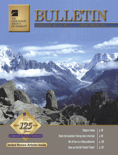
GEOLOGICAL SOCIETY OF AMERICA BULLETIN
Leading the Charge in Earth Science ScholarshipThe Geological Society of America Bulletin (GSA Bulletin), with ISSN 0016-7606 and E-ISSN 1943-2674, is a premier scholarly journal published by Geological Society of America, Inc. Based in the United States, this journal has been a cornerstone of geological research since its inception in 1890, making significant contributions to the understanding of Earth sciences over more than a century. Recognized for its rigorous peer-review process, the GSA Bulletin currently holds a prestigious Q1 ranking in Geology, positioning it among the top 14 journals in Earth and Planetary Sciences in terms of Scopus ranking, reflecting the high quality and impact of the research it publishes. Researchers, professionals, and students alike benefit from its comprehensive coverage of geological topics, including sedimentology, volcanology, and paleontology, which supports the advancement of knowledge in the geosciences. While the journal is not open access, it continues to provide a vital platform for innovative research and critical discussions that shape the future of geology.
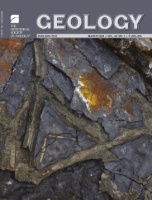
GEOLOGY
Exploring the Depths of Geological KnowledgeGEOLOGY, published by the Geological Society of America, Inc, is a premier journal dedicated to advancing knowledge, research, and discussion in the field of geology. With an ISSN of 0091-7613 and an E-ISSN of 1943-2682, this journal stands out with an impressive Q1 ranking in Geology for 2023, positioning it among the top journals in the realm of Earth and Planetary Sciences, specifically holding a remarkable rank of 11 out of 321, reflecting its 96th percentile status. This journal aims to publish innovative research articles that cover all aspects of geology, from tectonics and sedimentology to paleontology and mineralogy, offering invaluable insights for researchers, professionals, and students alike. Although not currently open access, GEOLOGY maintains a rigorous review process ensuring the quality and integrity of the research it publishes. For more than five decades, spanning from its inception in 1973 to the upcoming publications in 2024, GEOLOGY has been instrumental in shaping the geological discourse and continues to be a vital resource for the scientific community.
DOKLADY EARTH SCIENCES
Fostering Collaboration in Earth and Planetary DiscoveriesDOKLADY EARTH SCIENCES is a reputable journal published by MAIK NAUKA/INTERPERIODICA/SPRINGER, focusing on the dynamic field of Earth and Planetary Sciences. With an ISSN of 1028-334X and E-ISSN 1531-8354, this journal offers a platform for researchers to disseminate their findings and insights that contribute to our understanding of Earth systems over a continuous publishing span from 1998 to 2024. It currently holds a Q3 quartile ranking in the Earth and Planetary Sciences category, reflecting an emerging yet significant impact within its field, evidenced by its Scopus ranks where it stands at 123rd in general Earth sciences and 113th in miscellaneous Earth sciences. DOKLADY EARTH SCIENCES aims to bridge research gaps and foster collaboration among a diverse audience including researchers, professionals, and students committed to advancing knowledge in geoscience. The journal stands as a vital resource for those seeking to explore contemporary challenges and innovations within the realm of Earth sciences.
JOURNAL OF GEODYNAMICS
Connecting Scholars and Ideas in the Realm of GeodynamicsJOURNAL OF GEODYNAMICS is a leading scholarly journal published by PERGAMON-ELSEVIER SCIENCE LTD, focusing on the dynamic interactions of geological and geophysical processes. With a distinguished impact factor reflective of its significance in the field, this journal operates from the United Kingdom and has been an essential platform for innovative research since its inception in 1984. It encompasses a wide range of topics within Earth-Surface Processes and Geophysics, consistently ranking in the upper quartiles (Q1 and Q2) as per the 2023 category rankings, thereby providing a robust avenue for researchers seeking to contribute to high-impact advancements in these fields. The journal is indexed in Scopus, bolstering its visibility with admirable ranks, including 44th out of 165 in Geophysics. While it does not currently offer open access options, the journal remains pivotal for academics aiming to deepen their understanding of geodynamic mechanisms and foster interdisciplinary collaboration. For over three decades, the journal has served as a cornerstone resource for professionals, researchers, and students eager to explore and publish groundbreaking findings in geoscience.

GEOCHEMISTRY GEOPHYSICS GEOSYSTEMS
Unveiling the Dynamics of Our Planet's SystemsGEOCHEMISTRY GEOPHYSICS GEOSYSTEMS, published by the American Geophysical Union, is a leading open-access journal that has been at the forefront of advancing our understanding of earth sciences since its inception in 2000. With an impressive open access policy established in 2022, the journal promotes the wide dissemination of high-quality research in the fields of Geochemistry and Geophysics. Boasting a Q1 ranking in both Geochemistry and Petrology, as well as Geophysics, in the 2023 Journal Rankings, it is recognized among the top journals in its categories, positioning itself at the cutting edge of scientific inquiry. The journal has also secured notable rankings in Scopus, placing it in the 83rd percentile for Geophysics and the 71st percentile for Geochemistry and Petrology, reflecting its impact and relevance within the scientific community. Located in Washington, DC, GEOCHEMISTRY GEOPHYSICS GEOSYSTEMS serves as a vital resource for researchers, professionals, and students dedicated to the exploration of the complex interactions of geochemical and geophysical processes.