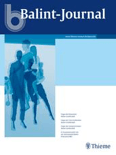
Balint-Journal
Scope & Guideline
Fostering Interdisciplinary Collaboration for Health.
Introduction
Aims and Scopes
- Psychosomatic Medicine:
The journal delves into the relationship between psychological and physical health, examining how emotional and social factors influence medical conditions. - Balint Group Methodology:
A focus on the Balint group approach, which emphasizes the doctor-patient relationship and encourages healthcare professionals to reflect on their experiences and emotions in clinical settings. - Cultural Context of Health and Illness:
Exploration of how socio-cultural factors shape perceptions of health, illness, and medical care, contributing to a holistic understanding of patient experiences. - Educational Strategies in Medical Training:
The journal addresses the integration of Balint work into medical education, promoting skills such as empathy, communication, and reflective practice among healthcare providers. - Historical Perspectives in Medicine:
The publication includes historical analyses and reflections on the contributions of key figures in the field, particularly in relation to Balint work and psychosomatic medicine.
Trending and Emerging
- Digital and Online Therapeutic Approaches:
There is a growing emphasis on the adaptation of Balint groups to digital platforms, especially in light of the COVID-19 pandemic, showcasing the importance of technology in facilitating therapeutic interactions. - Trauma and Resilience:
Themes surrounding trauma, particularly related to the pandemic and its psychosocial impact, have gained traction, emphasizing the need for resilience in both patients and healthcare providers. - Interdisciplinary Approaches:
An increasing number of publications are exploring interdisciplinary methods, integrating insights from various fields such as philosophy, sociology, and the arts, to enrich the understanding of health and illness. - Mentalization and Group Therapy:
The focus on mentalization-based approaches within group therapy settings has intensified, highlighting the importance of understanding emotional and cognitive processes in therapeutic relationships. - Community and Collective Healing:
There is a notable trend towards exploring community aspects of healing, reflecting a shift from individualistic perspectives to more collective approaches in addressing health and wellness.
Declining or Waning
- Traditional Psychoanalytic Approaches:
There appears to be a decline in the publication of papers centered solely on traditional psychoanalytic methods, suggesting a shift towards more integrative and contemporary approaches to therapy. - Narrow Case Studies:
The frequency of narrowly focused case studies has decreased, indicating a potential move towards broader thematic explorations and interdisciplinary collaborations. - Historical Obituaries:
The number of obituaries and historical reflections on individual practitioners has diminished, pointing to a waning interest in biographical narratives in favor of more dynamic discussions on current practices and methodologies.
Similar Journals

Indian Journal of Psychological Medicine
Innovating practices in clinical psychology and psychiatry.The Indian Journal of Psychological Medicine, published by SAGE Publications Inc, stands as a key resource within the fields of Clinical Psychology and Psychiatry, recognized for its commitment to advancing the understanding and practice of psychological medicine. With an E-ISSN of 0975-1564 and an ISSN of 0253-7176, this journal operates under an Open Access model since 2016, ensuring that cutting-edge research is accessible to all. Based in the United Kingdom, it has achieved notable impact in its category, landing in the Q2 quartile for both Clinical Psychology and Psychiatry and Mental Health as of 2023. With Scopus ranks reflecting its significance—#84 out of 311 in Clinical Psychology and #204 out of 567 in Psychiatry and Mental Health—the journal provides a platform for impactful research and clinical insights, contributing towards better mental health practices globally. Researchers, professionals, and students alike will find the journal’s diverse scope and commitment to quality scholarship invaluable in their pursuit of knowledge.
WIENER KLINISCHE WOCHENSCHRIFT
Fostering innovation in clinical practice since 1946.WIENER KLINISCHE WOCHENSCHRIFT, published by SPRINGER WIEN, is a prestigious medical journal with a rich history dating back to 1946. With an ISSN of 0043-5325 and E-ISSN 1613-7671, it serves as a vital resource for researchers, healthcare professionals, and students engaged in the field of general medicine. The journal holds a commendable Q2 category ranking in Medicine (miscellaneous) and is positioned in the top 18% of its field according to Scopus, ranked #110 out of 636. Although it is not an open-access journal, it offers an essential platform for the dissemination of high-quality research, case studies, and clinical insights from Austria and beyond. The objectives of the journal include advancing medical knowledge, fostering collaborative research, and providing practitioners with the latest findings that inform clinical practice. This makes it an invaluable asset for anyone looking to stay at the forefront of medical research and development.
Fukushima Journal of Medical Science
Bridging Gaps in Medical UnderstandingFukushima Journal of Medical Science is a respected academic platform published by the Fukushima Society of Medical Science, focusing on a diverse array of topics within the field of medicine. With its roots tracing back to 1964, the journal has established a rich tradition of contributing to medical knowledge and remains a vital resource for researchers and professionals alike. Based in Japan, the journal holds a Q3 category ranking in Medicine (miscellaneous) as of 2023, showcasing its ongoing relevance and impact in the academic community. Although it currently does not offer open access options, its comprehensive content is accessible through institutional subscriptions. The journal's diverse rankings across multiple Scopus categories highlight its multidisciplinary approach, especially in areas such as Social Sciences and Phamaceutical Science, ensuring that it caters to a broad audience from various fields. The Fukushima Journal of Medical Science serves as an essential conduit for innovative research, collaboration, and professional development within its esteemed community, making it an invaluable asset for anyone invested in advancing the medical sciences.
PSYCHOTHERAPY AND PSYCHOSOMATICS
Transforming Mental Health Through Interdisciplinary ResearchPsychotherapy and Psychosomatics is a leading peer-reviewed journal published by Karger, specializing in the interdisciplinary fields of psychology, psychiatry, and psychosomatic medicine. Since its inception in 1953, the journal has established a strong reputation for advancing knowledge and practice through high-quality research, exemplified by its prestigious Q1 rankings across multiple categories in Applied Psychology, Clinical Psychology, and Psychiatry and Mental Health for 2023. With a remarkable impact factor and strong Scopus rankings—placing it in the top percentile—this journal serves as a vital resource for researchers, clinicians, and students looking to stay at the forefront of psychotherapeutic and psychosomatic advancements. The journal offers diverse access options for its content, fostering an inclusive academic environment conducive to the dissemination and discussion of innovative ideas. With its commitment to quality and relevance, Psychotherapy and Psychosomatics continues to shape the future of mental health research and practice on a global scale.
Anthropology & Medicine
Exploring the Human Experience in Health.Anthropology & Medicine, published by Routledge Journals, Taylor & Francis Ltd, represents a vital intersection of social sciences and health research, providing a platform for innovative scholarship in the field of anthropology and its implications for medicine. With an esteemed 2023 Scopus ranking placing it in the top tiers of anthropology and arts and humanities, this journal fosters critical dialogue between anthropological insights and medical practice, addressing pressing health issues through ethnographic lenses. The journal’s scope includes the exploration of cultural practices, health inequalities, and the social determinants of health, making it essential reading for researchers, professionals, and students dedicated to understanding the complexities of human health in diverse contexts. Although not an open access publication, its rigorous academic standards and impactful research contributions underscore its importance within both anthropology and medical fields, as reflected in its impressive category quartiles and its convergence from 1997 to 2024. Engaging with this journal positions scholars at the forefront of discussions shaping the future of healthcare and anthropology.
JOURNAL OF PSYCHOSOMATIC RESEARCH
Exploring the Interconnections of Mental and Physical Well-beingJOURNAL OF PSYCHOSOMATIC RESEARCH, published by Pergamon-Elsevier Science Ltd, stands as a premier international forum dedicated to the integration of psychological and physical health. Established in 1956, this esteemed journal has maintained a high impact in the field, currently ranking in the Q1 category for both Clinical Psychology and Psychiatry and Mental Health as of 2023. With an impressive Scopus ranking of #37/311 in Clinical Psychology and #95/567 in Psychiatry and Mental Health, it caters to a wide audience of researchers, clinicians, and students interested in the complex interplay between psychosocial factors and physical health outcomes. The journal publishes a diverse array of original research, reviews, and clinical studies, providing valuable insights into psychosomatic medicine. While it currently does not offer open access options, its robust editorial standards ensure that each publication contributes significantly to advancing the field. As the journal converges into its 68th year, it continues to be at the forefront of psychosomatic research, instrumental in shaping evidence-based practices and enhancing patient care.
Journal of Medical Humanities
Elevating the Human Experience in Medical DiscourseJournal of Medical Humanities, published by Springer, serves as a critical platform for interdisciplinary research at the intersection of medicine, health policy, and the humanities. Established in 1989 and set to continue its scholarly contributions through 2024, this journal addresses the complex dynamics between health, culture, and society, making it a significant resource for academics, practitioners, and students in the social sciences. Although it operates under a subscription model, the journal maintains an impactful presence with a 2023 Scopus ranking that places it in the Q3 category for both health policy and health (social science), reflecting its commitment to insightful discourse and research quality in these vital areas. Moreover, with a focus on innovative methodologies and discussions, the Journal of Medical Humanities remains essential reading for anyone interested in understanding the role of the humanities in shaping healthcare narratives and policy.
JOURNAL OF BEHAVIORAL MEDICINE
Unveiling the Behavioral Dimensions of Health and IllnessThe JOURNAL OF BEHAVIORAL MEDICINE, published by SPRINGER/PLENUM PUBLISHERS, stands as a prominent platform for interdisciplinary research at the intersection of psychology, psychiatry, and behavioral health. With an ISSN of 0160-7715 and an E-ISSN of 1573-3521, this journal has established itself within the academic community since its inception in 1978, maintaining a trajectory of excellence through 2024. Its impressive impact factor reflects its relevance, achieving Q2 in Psychiatry and Mental Health and Q1 in Psychology (miscellaneous) for 2023, alongside Scopus rankings of 39th in General Psychology and 167th in Psychiatry and Mental Health. The journal welcomes contributions that enhance our understanding of behavioral aspects of health and illness, making it essential reading for researchers, clinicians, and students committed to improving patient outcomes through innovative behavioral approaches. As part of the broader scholarly conversation, it fosters critical discussions and serves as an invaluable resource for advancing research in behavioral medicine.

Journal of Postgraduate Medicine
Enhancing Patient Care Through Scholarly ExplorationThe Journal of Postgraduate Medicine, published by Wolters Kluwer Medknow Publications, stands as a pivotal platform for the dissemination of innovative research and contemporary insights in the field of medicine. With an established history since its inception in 1961, this esteemed journal has transitioned to an Open Access model since 1990, promoting accessibility and collaboration among researchers, healthcare professionals, and students globally. Recognized in the 2023 Category Quartiles, it holds a respectable Q3 ranking in the broad category of Medicine (Miscellaneous) and ranks #245 out of 636 in the Scopus database for General Medicine, placing it in the 61st percentile among its peers. The journal's mission is to bridge the gap between clinical practice and academic research, offering valuable content that encourages the advancement of medical knowledge and improving patient care. With a commitment to quality and rigor, the Journal of Postgraduate Medicine plays a critical role in shaping the future of medicine in India and beyond.
CRITICAL CARE CLINICS
Navigating the Complexities of Critical Care with ExpertiseCRITICAL CARE CLINICS is a premier academic journal published by W B SAUNDERS CO-ELSEVIER INC, focusing on advancing knowledge in the fields of Critical Care and Intensive Care Medicine. With an impressive impact factor and designated as Q1 in both Critical Care and Intensive Medicine categories, this journal is a leading resource for healthcare professionals, researchers, and students alike. Since its establishment in 1985, it has evolved into an essential conduit for cutting-edge research, clinical insights, and evidence-based practices, bridging the gap between theoretical understanding and practical application in critical care. The journal maintains a high ranking, being positioned 15th of 110 in its category according to Scopus, with a noteworthy percentile of 86, indicating its influence and relevance in contemporary medical discourse. Although the journal is not open access, it provides valuable content for those dedicated to enhancing patient care and advancing the science of critical medicine. Its commitment to excellence makes it a vital resource for anyone engaged in the dynamic field of critical care.