
BIOMARKERS
Scope & Guideline
Exploring the Frontiers of Biomarker Research
Introduction
Aims and Scopes
- Biomarker Discovery and Validation:
The journal prominently features studies centered on the identification and validation of new biomarkers that can be used in clinical practice to diagnose diseases, monitor treatment responses, and predict patient outcomes. - Clinical Applications of Biomarkers:
Research published in this journal often discusses the application of biomarkers in clinical settings, including their role in personalized medicine, risk assessment, and management of various conditions such as cancer, cardiovascular diseases, and infectious diseases. - Methodological Innovations in Biomarker Research:
The journal highlights innovative methodologies employed in biomarker research, including bioinformatics, machine learning, and advanced statistical analyses, to enhance the reliability and applicability of biomarker studies. - Multi-Omics Approaches:
There is a consistent focus on multi-omics approaches, integrating genomics, proteomics, and metabolomics to provide a comprehensive understanding of biomarkers in health and disease. - Environmental and Lifestyle Factors:
The journal also addresses the impact of environmental exposures and lifestyle factors on biomarker profiles, emphasizing the importance of these elements in disease causation and progression.
Trending and Emerging
- Liquid Biopsy and Circulating Biomarkers:
Recent publications emphasize the growing importance of liquid biopsies, particularly circulating tumor DNA and RNA as non-invasive biomarkers for cancer detection and monitoring, showcasing their potential in clinical applications. - Biomarkers in Personalized Medicine:
There is an increasing focus on the role of biomarkers in personalized medicine, particularly in tailoring treatment options based on individual biomarker profiles, which is critical for improving patient outcomes. - Integration of Artificial Intelligence in Biomarker Discovery:
The use of artificial intelligence and machine learning techniques for biomarker discovery and validation is emerging as a significant trend, allowing for more sophisticated analyses of complex datasets. - Biomarkers Related to Inflammation and Immune Response:
Research on biomarkers associated with inflammation and immune response has gained momentum, reflecting the growing recognition of their role in various diseases, including autoimmune disorders and cancer. - Environmental and Lifestyle Biomarkers:
Emerging studies focus on biomarkers linked to environmental exposures and lifestyle factors, highlighting their significance in understanding disease etiology and progression.
Declining or Waning
- Traditional Biomarkers in Isolation:
There has been a noticeable decrease in studies focusing exclusively on traditional biomarkers without considering their integration into multi-omics or systems biology approaches. This reflects a growing preference for comprehensive models over isolated biomarker analysis. - Non-Clinical Studies:
Research focusing solely on non-clinical studies or basic science investigations without direct clinical implications appears to be waning. The journal seems to prioritize studies that have clear translational potential. - Single Biomarker Studies:
The prevalence of studies investigating single biomarkers has diminished, as the trend shifts towards understanding the interactions between multiple biomarkers and their collective impact on disease states. - Limited Scope on Rare Diseases:
Research on biomarkers specific to rare diseases has decreased, possibly due to the challenges associated with sample size and data collection, leading to a focus on more prevalent conditions.
Similar Journals

Journal of Pathology Clinical Research
Bridging Research and Practice in PathologyThe Journal of Pathology Clinical Research is a prestigious academic platform published by WILEY, dedicated to advancing the field of pathology and forensic medicine. Since its inception in 2015, this Open Access journal has championed the dissemination of cutting-edge research relevant to both clinical practice and laboratory science, allowing for greater visibility and accessibility to researchers, professionals, and students worldwide. With a robust Q1 ranking in the Pathology and Forensic Medicine category for 2023, it stands as a critical resource for those seeking to stay at the forefront of the field, currently positioned at rank #29 out of 208 according to Scopus metrics, placing it in the 86th percentile. The journal's commitment to high-quality peer-reviewed articles fosters an environment of scholarly exchange that is essential for innovation and professional growth in pathology and forensic studies. Researchers and practitioners alike are encouraged to contribute and engage with a community dedicated to excellence in clinical research.
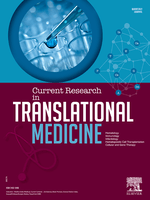
Current Research in Translational Medicine
Fostering Collaboration in Cutting-Edge Medical ResearchCurrent Research in Translational Medicine, published by ELSEVIER FRANCE-EDITIONS SCIENTIFIQUES MEDICALES ELSEVIER, is a dynamic open-access journal that has been at the forefront of innovative research since its inception in 2016. With a strong commitment to advancing the fields of biochemistry, hematology, infectious diseases, oncology, and transplantation, the journal provides an invaluable platform for researchers and practitioners to share novel findings that bridge laboratory discoveries and clinical applications. Currently recognized in prestigious categories such as Q1 and Q2 quartiles, this journal emphasizes the importance of translational science in improving health outcomes, supported by a rigorous editorial process and a commitment to high-quality research dissemination. Being listed in reputable databases like Scopus, it enables authors to reach a wide audience, ensuring that their impactful work contributes to the global dialogue on critical medical advancements. With its open access model, Current Research in Translational Medicine encourages widespread collaboration and engagement among the scientific community, solidifying its role as a leading journal in medicine and related fields.
Molecular Diagnosis & Therapy
Exploring Pathways to Precision MedicineMolecular Diagnosis & Therapy, published by ADIS INT LTD, is a premier journal dedicated to the cutting-edge fields of genetics, molecular medicine, and pharmacology. With a strong emphasis on the translation of molecular insights into innovative therapeutic strategies, this journal serves as a vital resource for researchers, clinicians, and students aiming to stay at the forefront of medical and scientific advancements. The journal boasts an impressive standing in its categories, holding a Q1 ranking in Genetics, Medicine (miscellaneous), and Pharmacology, alongside a Q2 classification in Molecular Medicine for 2023, reflecting its influential contributions to the scientific community. Indexed in Scopus, it occupies distinct positions in its respective fields, ranked #77 in Genetics and Pharmacology, and #53 in Molecular Medicine, highlighting its robust impact factor and scholarly influence. Although it is not open access, the journal ensures widespread dissemination of valuable research, promoting enhanced understanding of molecular diagnostic techniques and therapeutic interventions. Since its inception in 2001, and continuing through to 2024, Molecular Diagnosis & Therapy remains an essential platform for disseminating vital research findings, fostering academic collaboration, and driving forward the dialogue in molecular diagnostics and treatment methodologies.
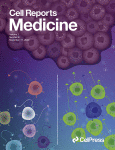
Cell Reports Medicine
Empowering researchers with accessible, high-impact findings.Cell Reports Medicine, published by Cell Press, represents a pivotal advancement in the open access landscape of biomedical research since its inception in 2020. With a dedicated focus on the intersection of medicine, biochemistry, genetics, and molecular biology, this journal has quickly established itself as a key resource, earning a remarkable Q1 ranking in these fields. Based in the United States, Cell Reports Medicine boasts impressive metrics, ranking #25 out of 636 in General Medicine and #18 out of 221 in Biochemistry, underscoring its influence and reach within the scientific community, with a notable 96th and 92nd percentile respectively. As a fully open access journal, it fosters global dissemination of knowledge, ensuring that groundbreaking research is readily available to researchers, professionals, and students alike. The journal not only promotes high-quality research but also aims to bridge the gap between molecular discoveries and clinical applications, making it an essential addition to any academic library or researcher's toolkit.
EXPERT REVIEW OF MOLECULAR DIAGNOSTICS
Transforming Research into Clinical PracticeEXPERT REVIEW OF MOLECULAR DIAGNOSTICS, published by Taylor & Francis AS, serves as a pivotal platform for facilitating advanced research and discourse in the fields of Genetics, Molecular Biology, Molecular Medicine, and Pathology. With an impressive Impact Factor and a distinguished status as Q2 in multiple categories, along with a prestigious Q1 ranking in Pathology and Forensic Medicine (2023), this journal continues to attract contributions from leading experts and budding researchers alike. The journal aims to address critical developments in molecular diagnostics, providing insightful reviews that propel the understanding and application of diagnostic techniques in various medical contexts. Accessible to a diverse audience in the academic community, the journal emphasizes the importance of molecular diagnostics in both clinical and laboratory settings, promoting innovative methodologies and comprehensive evaluations of emerging technologies. With ongoing convergence of scientific discovery advancing rapidly from 2001 through 2024, EXPERT REVIEW OF MOLECULAR DIAGNOSTICS remains essential for those committed to furthering the fields of molecular diagnostics and healthcare advancements globally.
Byulleten Sibirskoy Meditsiny
Unlocking Insights in Molecular Biology and TherapeuticsByulleten Sibirskoy Meditsiny, published by the Siberian State Medical University, is a pivotal open-access journal in the field of Molecular Medicine, with its current edition indexed under the ISSN 1682-0363. Since its transition to open access in 2013, the journal aims to disseminate high-quality research and advancements in biomedical sciences, particularly focusing on molecular mechanisms and therapeutic interventions. Despite its relatively recent recognition in Molecular Medicine, where it ranks in the 6th percentile, the journal is dedicated to fostering knowledge exchange and collaboration among researchers, professionals, and students alike. With a modest impact factor and quarterly publication, Byulleten Sibirskoy Meditsiny is positioned to serve as a valuable resource for those engaged in the intricate realms of molecular biology, biochemistry, and general medicine, contributing to the broader scientific discourse in the Russian Federation and beyond.
MOLECULAR & CELLULAR PROTEOMICS
Pioneering insights into the world of proteins.MOLECULAR & CELLULAR PROTEOMICS, published by Elsevier, stands as a premier journal in the fields of Biochemistry, Analytical Chemistry, and Molecular Biology, with a distinguished Q1 ranking reflecting its high impact and contribution to the scientific community. Established in 2002, this journal has consistently provided a platform for the latest research in protein science, merging molecular biology with advanced analytical techniques. With impressive Scopus rankings—41st in Biochemistry and 16th in Analytical Chemistry—it caters to an audience of researchers, professionals, and students eager to explore cutting-edge developments in proteomics. Although currently not designated as open access, the journal aims to foster knowledge dissemination through accessible research content. As it continues to evolve until 2024, MOLECULAR & CELLULAR PROTEOMICS is essential for anyone passionately engaged in the ever-expanding field of proteomics.
Precision Clinical Medicine
Navigating the complexities of personalized treatment.Precision Clinical Medicine, published by Oxford University Press, is an esteemed open-access journal that has been at the forefront of clinical research since its inception in 2018. With an ISSN of 2096-5303, this journal specializes in the rapidly evolving field of precision medicine, which aims to tailor healthcare to individual patient characteristics, needs, and preferences. As a testament to its influence, Precision Clinical Medicine holds a remarkable rank of #34 out of 636 in the General Medicine category on Scopus, placing it within the 94th percentile of its field and earning a prestigious Q1 rating in 2023. Based in the United Kingdom, the journal not only provides open access content, ensuring that groundbreaking research is widely disseminated, but also serves as a crucial platform for innovations and discussions that shape modern medical practices. Researchers, professionals, and students alike will find valuable insights and influential studies that drive the future of personalized healthcare within its pages.
JOURNAL OF BIOMEDICAL SCIENCE
Transforming discoveries into impactful biomedical advancements.JOURNAL OF BIOMEDICAL SCIENCE, published by BMC, is a premier Open Access journal dedicated to the rapid dissemination of research in the fields of biomedical science, encompassing crucial areas such as biochemistry, cell biology, clinical biochemistry, and more. Since its inception in 1993, the journal has established itself as a leading publication, currently boasting a remarkable impact factor and quality as evidenced by its Q1 quartile rankings across multiple categories in 2023. With an impressive track record, including a Scopus ranking in the top percentiles across several disciplines, it serves as a vital resource for researchers, professionals, and students who are keen on advancing their knowledge in biomedicine. The journal operates under a fully Open Access model, ensuring that all published articles are freely available to the global research community, thus contributing to the broader dissemination and accessibility of scientific knowledge. Based in the United Kingdom, JOURNAL OF BIOMEDICAL SCIENCE is committed to fostering innovation and collaboration in research, appealing to those aiming to make impactful contributions to the biomedical sphere.
Genetic Testing and Molecular Biomarkers
Exploring the Frontiers of Genomic Medicine.Genetic Testing and Molecular Biomarkers, an esteemed journal published by MARY ANN LIEBERT, INC, serves as a pivotal platform for advancing the field of genetic research and its applications in medicine. Focused on the innovative intersections of genetics and biomarker discovery, this journal has consistently contributed meaningful insights since its inception in 2009, with its scope evolving through 2024. With an ISSN of 1945-0265 and an E-ISSN of 1945-0257, it offers both traditional and open access options to cater to a broad audience of researchers, professionals, and students. Despite its current classification in the Q4 and Q3 quartiles for Genetics (clinical) and Medicine (miscellaneous) respectively, the journal remains committed to publishing high-quality, peer-reviewed articles that push the boundaries of knowledge in the field. As the landscape of genomic medicine continues to expand, Genetic Testing and Molecular Biomarkers is positioned as a crucial resource for disseminating cutting-edge discoveries and fostering interdisciplinary collaboration.