
BMC Zoology
metrics 2024
Pioneering research in conservation and ecology.
Introduction
BMC Zoology, published by BMC, is a distinguished open-access journal that has been advancing the field of zoological research since its inception in 2016. With an impressive Q2 ranking in both Animal Science and Zoology categories as of 2023, the journal occupies a significant position in the academic landscape, engaging a global readership dedicated to the exploration of animal biology. Based in the United Kingdom, BMC Zoology prides itself on providing a platform for innovative research, fostering collaboration among scientists, and facilitating access to high-quality scholarly articles. Researchers and practitioners in zoology can benefit from its extensive repository of articles that span various areas including conservation, ecology, and evolutionary biology. As an essential resource for scholars and students alike, BMC Zoology commits to enhancing the dissemination of knowledge in the zoological sciences through its open-access model, ensuring widespread access to cutting-edge research findings.
Metrics 2024
 -1.401.60-
Metrics History
Rank 2024
IF (Web Of Science)
JCI (Web Of Science)
Quartile History
Similar Journals
ZOOLOGICAL STUDIES
Exploring the depths of biodiversity and zoological phenomena.Zoological Studies, published by the Biodiversity Research Center, Academia Sinica, stands as a pivotal journal in the fields of animal science and zoology. With the ISSN 1021-5506 and E-ISSN 1810-522X, this Taiwanese journal features a blend of pioneering research that spans over three decades, from 1994 to 2024, fostering a deep understanding of biodiversity and zoological phenomena. Recognized for its scholarly contributions, Zoological Studies holds an esteemed Q2 ranking in Animal Science and Zoology for 2023, positioning it among the top-tier journals in its category with a Scopus rank of #164 out of 490—reflecting its strong impact and outreach. While currently not open access, the journal aims to disseminate essential findings and discussions that advance ecological knowledge and inspire future research endeavors. Researchers, professionals, and students alike will find this journal an invaluable resource for accessing critical studies that drive innovation and conservation efforts in the field of zoology.

ZOOLOGICHESKY ZHURNAL
Connecting past insights with future discoveries in zoological sciences.Zoologichesky Zhurnal, a prominent journal in the field of Ecology, Evolution, Behavior and Systematics, has been a vital publication since its inception in 1950. Published by MAIK Nauka-Interperiodica in the Russian Federation, this journal has established a notable reputation in disseminating scientific research and advancing knowledge in zoology. With its coverage spanning from 1950 to 2023, and a specific convergent focus during 1982-1983, this journal contributes significantly to the ecological and evolutionary sciences, even though it currently holds a Q4 classification in the 2023 category quartiles, indicating its niche positioning among peers. Researchers and students engaged in the study of biological sciences, particularly those interested in the dynamics of ecosystems, behavior of species, and evolutionary processes, will find valuable insights and original research articles within its pages. While access to this esteemed journal is not open, it remains an essential resource for those seeking to deepen their understanding of zoological sciences.
ZOOLOGICAL JOURNAL OF THE LINNEAN SOCIETY
Unraveling the complexities of animal behavior and systems.Zoological Journal of the Linnean Society, published by Oxford University Press, stands as a prestigious vessel for scholarly discourse in the fields of Animal Science and Ecology. With an ISSN of 0024-4082 and E-ISSN 1096-3642, this journal has an illustrious history dating back to its inception in 1866, and has consistently contributed groundbreaking research that shapes our understanding of zoology and evolutionary biology. Operating out of the United Kingdom, the journal boasts an impressive Q1 ranking in both Animal Science and Zoology and Ecology, Evolution, Behavior and Systematics, positioning it among the top tier of its category. With a significant presence in the academic landscape, the journal ranks 24th among 490 in Animal Science and 97th among 721 in Ecology, reflecting its impact and relevance in the field. Although it is not an open access journal, the wealth of knowledge it offers is invaluable for researchers, professionals, and students alike, aiding in the advancement of zoological sciences.
ZOOLOGY
Connecting scholars to elevate zoological research.ZOOLOGY, an esteemed journal published by Elsevier GmbH, stands at the forefront of research in the Animal Science and Zoology fields. With a notable impact factor and recognized as a Q1 category journal in its discipline, ZOOLOGY is highly regarded among researchers, ranking #98 out of 490 in Scopus rankings. Founded in 1994 and continuing through to 2024, the journal aims to publish cutting-edge, peer-reviewed articles that contribute significantly to the understanding of zoological sciences. Based in Munich, Germany, ZOOLOGY provides both subscription and open access options, ensuring that influential research reaches a wider audience. It serves as an essential platform for disseminating innovative findings, connecting scholars globally, and fostering interdisciplinary collaboration to advance zoological knowledge.
European Zoological Journal
Elevating the Study of Animal Sciences Across EuropeEuropean Zoological Journal, published by Taylor & Francis Ltd, is an esteemed open-access publication dedicated to advancing the exciting field of zoology. Since its inception in 2017, this journal has progressively established itself as a vital resource for researchers, professionals, and students alike. With its Q2 ranking in Animal Science and Zoology as of 2023, the journal ranks in the 69th percentile among its peers, showcasing its influence and contribution to the discipline. The journal’s broad scope covers a wide range of topics within zoology, aiming to foster an understanding of animal biology and conservation efforts. As an open-access journal, it not only enhances the dissemination of knowledge but also encourages collaborative research across global communities. Situated in the United Kingdom, the European Zoological Journal invites submissions that contribute to the evolving discourse in animal sciences, and endeavors to support the scientific community in addressing pressing ecological challenges.
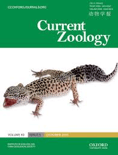
Current Zoology
Leading the Charge in Open-Access Zoological StudiesCurrent Zoology, published by Oxford University Press, is a leading open-access journal dedicated to advancing the field of zoology and animal science since its establishment in 2009. With an impressive Q1 ranking in Animal Science and Zoology as of 2023, the journal maintains a prominent position within the academic community, supported by a ranking of #138 out of 490 in Scopus. Current Zoology serves as a vital platform for researchers, professionals, and students, showcasing high-quality research that spans a broad array of topics within the domain of zoology. This journal is characterized by its rigorous peer-review process, ensuring the dissemination of credible and impactful findings that contribute to the understanding of animal biology and conservation efforts. The open-access model enhances accessibility, allowing a wider audience to engage with the pivotal research being conducted in this dynamic field. Processing all manuscripts in an efficient manner and featuring articles that push the boundaries of current knowledge, Current Zoology is your gateway to explore innovative discoveries and trends in zoology.
TURKISH JOURNAL OF ZOOLOGY
Championing Scientific Rigor in ZoologyThe TURKISH JOURNAL OF ZOOLOGY, published by the esteemed Tubitak Scientific & Technological Research Council Turkey, serves as a pivotal platform for the dissemination of research in the field of zoology and animal science. With an ISSN of 1300-0179 and an E-ISSN of 1303-6114, this journal has been contributing to the scientific community since its inception in 1994 and will continue to do so through 2024. Renowned for its scientific rigor, the journal holds a Q3 ranking in the 2023 category of Animal Science and Zoology, placing it within the prominent ranks of Scopus with a current percentile of 56, and an overall rank of 214 out of 490 in its domain. As an essential resource for researchers, professionals, and students, the journal prioritizes quality research, fostering knowledge exchange and collaboration among scholars worldwide. With its commitment to advancing understanding in zoological sciences, the TURKISH JOURNAL OF ZOOLOGY stands as a significant contribution to the global scientific dialogue.

RAFFLES BULLETIN OF ZOOLOGY
Advancing Knowledge in Animal Science and EcologyRaffles Bulletin of Zoology, published by the National University of Singapore's Lee Kong Chian Natural History Museum, serves as a prestigious platform for the dissemination of cutting-edge research in Animal Science and Zoology, as well as Ecology, Evolution, Behavior and Systematics. With a current impact factor reflective of its Q2 category in both fields, this journal not only enhances its visibility in the academic community but also provides valuable insights into the complexities of biodiversity and conservation efforts. Covering a wide array of topics, Raffles Bulletin facilitates interdisciplinary collaboration and serves as an essential resource for researchers, professionals, and students alike. It is indexed in Scopus, ranking #233 out of 490 in Animal Science and Zoology and #406 out of 721 in Ecology, ensuring that the research published contributes significantly to the global discourse on wildlife and ecosystem management. Since its inception in 1996, this journal has bridged gaps in knowledge and continues to foster a deeper understanding of the living world.
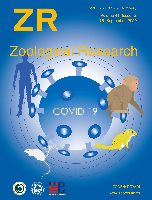
ZOOLOGICAL RESEARCH
Championing Conservation and Ecological InsightsZoological Research, published by Science Press, stands as a premier open-access journal in the fields of animal science, zoology, and ecology. Since its inception in 1980, it has fostered an inclusive platform for innovative research and dialogue within the scientific community, enabling researchers from across the globe to share their findings and insights. The journal's significant impact is underscored by its classification in the Q1 quartile across multiple categories, including Animal Science and Zoology, Ecology, and Nature Conservation for 2023, as well as its impressive rankings within Scopus, placing it in the top tier of its respective fields. Situated in Beijing, China, Zoological Research not only contributes to advancing knowledge but also emphasizes the critical importance of conservation practices in today’s rapidly changing ecosystems. With its commitment to open access, researchers, educators, and students alike benefit from immediate, unrestricted access to vital scientific information, making it an essential resource for anyone involved in the biological sciences.
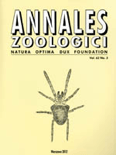
ANNALES ZOOLOGICI
Advancing Knowledge in Zoological SciencesANNALES ZOOLOGICI is a distinguished academic journal published by the Museum & Institute of Zoology, Polish Academy of Sciences, based in Warsaw, Poland. With a long-standing tradition in zoological research, this journal has evolved to encompass a diverse range of studies in ecology, evolution, behavior, and systematics, aiming to foster a deeper understanding of animal biology and conservation. It holds a commendable Q2 classification in the 2023 Ecology, Evolution, Behavior and Systematics category, indicating its significant contribution to the field. Although ANNALES ZOOLOGICI is not an open-access publication, it remains accessible to a global audience of researchers, professionals, and students aiming to advance their knowledge and engage with cutting-edge zoological findings. As of 2024, this journal continues to be a vital resource for those eager to explore the complexities of animal life and contribute to ongoing discussions within this essential scientific discipline.