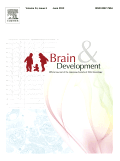
BRAIN & DEVELOPMENT
metrics 2024
Exploring the Intricacies of Brain Development
Introduction
BRAIN & DEVELOPMENT is a prestigious academic journal published by ELSEVIER, renowned for its pivotal contributions to the fields of developmental neuroscience, neurology, and pediatrics. Established in 1979, this journal has become an essential resource for researchers and clinicians alike, as it explores the complexities of brain development and associated neurological disorders in children. With an impactful focus on advancing scientific understanding, BRAIN & DEVELOPMENT is currently ranked in the Q3 quartile in Developmental Neuroscience and Clinical Neurology and Q2 in Pediatrics, reflecting its significance within the medical community. Its ISSN 0387-7604 and E-ISSN 1872-7131 underline its established presence in academic literature. While the journal does not offer open access options, it continues to be a key platform for disseminating new research findings and fostering innovation in the understanding of pediatric neurological health. The journal's commitment to quality research is further evidenced by its ongoing publication trajectory up until 2024, making it a vital source of knowledge for students, professionals, and educators in related fields.
Metrics 2024
 0.501.401.5096
Metrics History
Rank 2024
Scopus
IF (Web Of Science)
JCI (Web Of Science)
Quartile History
Similar Journals

ARQUIVOS DE NEURO-PSIQUIATRIA
Elevating Knowledge in Neuropsychiatric ResearchARQUIVOS DE NEURO-PSIQUIATRIA is a distinguished peer-reviewed journal that has been pivotal in advancing the fields of neuropsychiatry and neurology since its inception in 1945. Published by ASSOC ARQUIVOS NEURO-PSIQUIATRIA, this journal has established itself as a vital resource for researchers, professionals, and students in Brazil and beyond, with a commitment to open access since 2000, allowing broad dissemination of its findings. It boasts an E-ISSN of 1678-4227, continues to publish high-quality research, and is recognized in Scopus rankings, which place it in the Q4 quartile in Biological Psychiatry and Q3 in both Clinical Neurology and Neurology for 2023. The journal's address, located in the heart of São Paulo, reflects its commitment to fostering scientific dialogue within Brazil's vibrant research community. By focusing on the intersection of neurology and psychiatry, ARQUIVOS DE NEURO-PSIQUIATRIA aims to enrich our understanding of complex neurological disorders and psychiatric conditions, making it essential reading for those engaged in these critical areas of health research.

Annals of Indian Academy of Neurology
Elevating Standards in Neurological ResearchAnnals of Indian Academy of Neurology is a premier open access journal dedicated to advancing the field of Neurology, serving as a vital resource for researchers, healthcare professionals, and students since its inception in 2006. Published by the esteemed Wolters Kluwer Medknow Publications, this journal has established itself within the academic community, boasting a Q3 quartile ranking in clinical neurology according to the 2023 category quartiles and a Scopus rank placing it in the 35th percentile among 400 comparable journals. With a focus on clinical advancements and research innovations in neurology, the journal aims to disseminate high-quality and impactful studies that address the complex challenges faced in the neurological landscape, particularly within the Indian context. The open access model ensures that the latest research is readily accessible to a global audience, thereby promoting collaboration and knowledge sharing within the neurosciences.

TRENDS IN NEUROSCIENCES
Pioneering Insights for Neuroscience ProfessionalsTRENDS IN NEUROSCIENCES, published by CELL PRESS, is a leading journal in the field of neuroscience, offering cutting-edge insights and important developments in the rapidly evolving landscape of brain research. With an impressive Impact Factor and ranking in the top quartile (Q1) of the category for Neuroscience (miscellaneous), it is positioned as a vital resource for researchers and professionals seeking to stay abreast of the latest discoveries and trends from 1978 to the present. Specifically ranked #3 out of 113 in General Neuroscience by Scopus, this journal promotes the interdisciplinary exchange of ideas and knowledge, making it an essential platform for students and experienced scholars alike. Although it is not an Open Access journal, its value lies in its rigorous peer-review process and commitment to maintaining the highest standards of academic integrity. By continuing to explore the complexities of neural processes and behavior, TRENDS IN NEUROSCIENCES plays a crucial role in shaping the future of neuroscience research and education.

Neurosciences
Innovating insights into mental health and neurological disorders.Neurosciences is a premier academic journal dedicated to the exploration of neurological and psychiatric disorders, fostering an innovative exchange of ideas and research findings in these critical fields. Published by the Riyadh Armed Forces Hospital in Saudi Arabia, this interdisciplinary journal has consistently contributed to the advancement of knowledge since its inception in 2002 and is set to continue through 2024. With an ISSN of 1319-6138 and E-ISSN of 1658-3183, it is recognized for its emphasis on clinically relevant research in neurology and psychiatry, boasting a 2023 classification in the Q3 tier of both categories. Neurosciences encourages submissions that offer novel insights into mental health and neurological conditions, positioning itself as a vital resource for researchers, healthcare professionals, and students alike. Despite being unlisted as an open-access journal, it remains a respected outlet for peer-reviewed content, with Scopus rankings that highlight its growing influence within the scientific community. This journal serves as an essential platform for disseminating significant research that addresses the intricacies of the human brain and behavior.
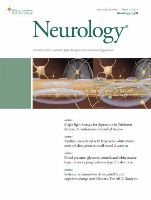
NEUROLOGY
Advancing neurological science for a healthier tomorrow.NEUROLOGY, published by Lippincott Williams & Wilkins, stands as a premier journal in the field of neurology, holding an esteemed Q1 category ranking in clinical neurology as of 2023. Established in 1951, this journal has been a critical resource for the dissemination of cutting-edge research and clinical advancements, with an impressive Scopus rank of 24 out of 400, placing it in the 94th percentile among its peers. NEUROLOGY serves as a vital platform for neurologists, researchers, and medical professionals seeking to stay abreast of the latest findings and innovations in the treatment and understanding of neurological disorders. With its rigorous peer-review process and commitment to excellence, NEUROLOGY remains essential reading for all individuals dedicated to advancing the science and practice of neurology, contributing significantly to the ongoing dialogue in this vital area of medicine.

Noropsikiyatri Arsivi-Archives of Neuropsychiatry
Illuminating the Complexities of NeuropsychiatryNoropsikiyatri Arsivi-Archives of Neuropsychiatry is a prominent scholarly journal dedicated to advancing knowledge in the fields of neuropsychiatry and mental health. Published by the Turkish Neuropsychiatry Association, this journal aims to disseminate high-quality research that contributes to a deeper understanding of psychiatric disorders, innovative treatment modalities, and interdisciplinary approaches in neuroscience. Based in Turkey, the journal has been in circulation since its inception, with a rich history reflecting its commitment to addressing contemporary issues in mental health care. It is currently indexed under Scopus, with notable rankings in both Psychiatry and Mental Health (Rank #378/567, 33rd Percentile) and General Neuroscience (Rank #97/113, 14th Percentile), highlighting its increasing relevance and impact in the academia. Although it is not currently an open access journal, its contributions remain vital for researchers, professionals, and students who wish to stay abreast of the latest developments and research in neuropsychiatry.
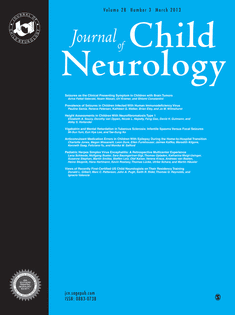
JOURNAL OF CHILD NEUROLOGY
Advancing the Frontiers of Pediatric NeurologyThe JOURNAL OF CHILD NEUROLOGY is a distinguished publication in the critical fields of neurology and pediatrics, published by SAGE PUBLICATIONS INC. With its ISSN 0883-0738 and E-ISSN 1708-8283, this journal has been a pivotal resource since its inception in 1986, serving the needs of researchers, clinicians, and students dedicated to advancing the understanding and treatment of neurological disorders in children. As evidenced by its impressive Q2 rankings in both Neurology (clinical) and Pediatrics, Perinatology, and Child Health, the journal has established a reputable position within the academic community, ranking in the 75th percentile for pediatrics and the 53rd percentile for clinical neurology. This periodical not only contributes to the body of knowledge in child neurology but also promotes interdisciplinary collaboration, engaging a global audience through innovative research articles and case studies. Although the journal is not open access, it remains committed to disseminating high-quality research aimed at improving pediatric health outcomes, making it an essential read for professionals and researchers dedicated to this crucial area of medicine.

Journal of Pediatric Neuropsychology
Empowering professionals to enhance children's neuropsychological outcomes.Journal of Pediatric Neuropsychology is a pioneering academic journal dedicated to advancing the field of pediatric neuropsychology. Published by SpringerNature, this journal serves as a vital platform for researchers, clinicians, and students aiming to explore the complexities of neuropsychological development in children. With ISSN 2199-2681 and E-ISSN 2199-2673, the journal focuses on a broad spectrum of topics including cognitive processes, neurological disorders, and the impact of neuropsychology on educational and therapeutic practices. Though currently not listed as an Open Access journal, it aims to disseminate knowledge that influences clinical practices and supports interdisciplinary collaboration. The Journal of Pediatric Neuropsychology stands out for its commitment to enhancing understanding within this specialized field, making it an essential resource for professionals and researchers dedicated to improving outcomes for children with neuropsychological challenges.

NEUROLOGICAL SCIENCES
Exploring breakthroughs in neurology and psychiatric health.NEUROLOGICAL SCIENCES, published by SPRINGER-VERLAG ITALIA SRL, is a premier journal that has been a cornerstone in the field of neurology and related disciplines since its inception in 1996. With an impressive Q1 ranking in Dermatology and Q2 rankings in Neuroloy (clinical) as well as Psychiatry and Mental Health, this journal consistently delivers high-quality peer-reviewed research that informs and shapes clinical practice. The journal boasts a significant presence on Scopus, positioned in the 89th percentile for Dermatology, 73rd for Psychiatry and Mental Health, and 72nd for Neurology (clinical), reflecting its influential contributions to medical knowledge. Open Access options are available, ensuring that this valuable research is accessible to a wider audience committed to advancing their understanding of neurological sciences. As it converges into future years (2024 and beyond), NEUROLOGICAL SCIENCES aims to continue foster collaboration and innovation amongst researchers, professionals, and students within the neurology and mental health domains, making it an indispensable resource for those dedicated to improving patient outcomes and advancing scholarly dialogue.
RESTORATIVE NEUROLOGY AND NEUROSCIENCE
Unraveling Neural Mysteries: Your Gateway to Restorative AdvancesRESTORATIVE NEUROLOGY AND NEUROSCIENCE, published by IOS PRESS, is a premier journal dedicated to advancing the fields of neurology and neuroscience. Since its inception in 1989, this journal has played a crucial role in disseminating cutting-edge research findings and innovative therapeutic approaches that aim to restore neurological function and improve patient outcomes. With a focus on developmental neuroscience and clinical neurology, the journal holds a 2023 Scopus ranking of #129 out of 400 in clinical neurology, and #15 out of 37 in developmental neuroscience, reflecting its significant influence in these domains. Although it operates on a non-open access model, RESTORATIVE NEUROLOGY AND NEUROSCIENCE offers valuable insights for researchers, healthcare professionals, and students seeking to deepen their understanding of neural restoration mechanisms and therapeutic strategies. Located in Amsterdam, Netherlands, the journal continues to foster scholarly dialogue and innovation, contributing to the global advancement of neuroscience and neurology.