
BRITTONIA
metrics 2024
Illuminating Plant Biology for a Greener Tomorrow
Introduction
BRITTONIA, published by Springer, stands as a reputable journal dedicated to advancing the fields of botany and plant sciences. With a storied history dating back to 1931, this journal has evolved to embrace contemporary research spanning various aspects of plant biology, ecology, and systematics. Focusing on a comprehensive analysis of both ecological interactions and plant systematics, BRITTONIA plays a crucial role in disseminating knowledge among researchers and professionals committed to understanding plant life and its environmental contexts. Despite its open access status being currently unavailable, the journal ensures wide accessibility through institutional subscriptions. In the latest rankings, it proudly holds a Q2 category in Plant Science and a Q3 category in Ecology, Evolution, Behavior, and Systematics, indicating its growing influence and academic rigor. Researchers and students alike will find BRITTONIA an essential resource for the latest findings and discussions in plant sciences.
Metrics 2024
 0.380.600.6033
Metrics History
Rank 2024
Scopus
IF (Web Of Science)
JCI (Web Of Science)
Quartile History
Similar Journals
AUSTRALIAN JOURNAL OF BOTANY
Elevating plant research to influence environmental policy.The Australian Journal of Botany is a prestigious peer-reviewed journal published by CSIRO PUBLISHING, dedicated to advancing the field of plant sciences and ecology. Established in 1953, this journal provides a critical platform for researchers to share original research findings, reviews, and perspectives in subjects ranging from plant biology to ecological interactions, with a focus on Australian flora and its conservation. With an impressive impact factor and categorized in the Q3 quartile in both Ecology, Evolution, Behavior and Systematics and Plant Science, the journal ranks competitively within its fields, allowing authors to reach a diverse audience of professionals, students, and fellow researchers. The journal is accessible in print and electronically through its ISSN: 0067-1924 and E-ISSN: 1444-9862, providing wider access to vital research outcomes that influence environmental policies and natural resource management. As it aspires towards innovation and excellence, the Australian Journal of Botany remains an essential resource for those passionate about the richness of plant biodiversity and ecological understanding.
NOVA HEDWIGIA
Connecting Minds in Ecology, Evolution, and Plant SciencesNOVA HEDWIGIA is a premier journal dedicated to the fields of ecology, evolution, behavior, and systematics, as well as plant sciences. Published by GEBRUDER BORNTRAEGER in Germany, this journal serves as a vital platform for researchers, professionals, and students seeking to disseminate and engage with high-quality studies and findings. With an ISSN of 0029-5035 and an E-ISSN of 2363-7188, NOVA HEDWIGIA has established its significance within these disciplines, reflected in its current Scopus rankings, which place it in the third quartile of both ecology and plant science categories. This esteemed publication has contributed to the advancement of knowledge and innovation since its inception in 1993, continuing through 2024, offering valuable resources for an ever-evolving academic landscape. Researchers looking to contribute to ecological studies or plant sciences will find NOVA HEDWIGIA an ideal venue for sharing their work, nurturing their academic pursuits, and joining a community passionate about the natural sciences.
BOTANICAL REVIEW
Advancing botanical knowledge since 1935.BOTANICAL REVIEW is a highly esteemed journal published by SPRINGER, renowned for its commitment to advancing the fields of Ecology, Evolution, Behavior and Systematics and Plant Science. Established in 1935, this journal has become a cornerstone for researchers and professionals, reflecting over eight decades of rigorous scholarship. With an impressive impact factor and ranking within the top quartile for both its fields—Q1 in Ecology, Evolution, Behavior and Systematics and Plant Science—BOTANICAL REVIEW remains a key platform for disseminating critical findings and fostering scientific dialogue. Although it is not an open-access journal, its accessibility through institutional subscriptions enhances its reach among the academic community. The journal not only emphasizes the ecological aspects of plant life but also integrates evolutionary context to inform current practices and theories in botany. With a dedication to exploring the complex interactions within botanical sciences, BOTANICAL REVIEW continues to shape the future of plant research.
PhytoKeys
Exploring the frontiers of agricultural sciences.PhytoKeys is a prominent open-access journal published by PENSOFT PUBLISHERS that has become a vital resource in the fields of Agricultural and Biological Sciences, Ecology, Evolution, Behavior and Systematics, and Plant Science. Since its inception in 2010, PhytoKeys has provided a platform for researchers and scholars to disseminate high-quality botanical research, making it increasingly relevant globally. The journal enjoys a commendable impact factor reflected in its 2023 ranking, positioning it in the Q2 quartile across multiple categories, including the 61st percentile in Agricultural and Biological Sciences (miscellaneous) and the 53rd percentile in Plant Science. With a dedicated editorial board and a mission to advance our understanding of plant diversity, taxonomy, and conservation, PhytoKeys supports the academic community by facilitating accessibility to cutting-edge research. Its commitment to open access ensures that valuable knowledge is readily available to researchers, professionals, and students worldwide, fostering collaboration and innovation in plant sciences.
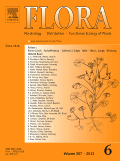
FLORA
Connecting Scholars Through Plant Science InsightsFLORA is a distinguished journal published by Elsevier GmbH, focusing on the realms of Ecology, Plant Science, and Evolutionary Biology. Established in 1975, this journal has been a vital platform for researchers and professionals, disseminating groundbreaking findings and insights relevant to the plant sciences. With an impressive impact factor and a current Scopus ranking placing it in the second quartile (Q2) across multiple categories, FLORA is recognized as a critical resource for advancing knowledge in its respective fields. The journal publishes both traditional research articles and significant review papers, ensuring a broad spectrum of academic engagement. Although not open access, FLORA remains committed to enhancing the scientific discourse and fostering collaboration among scholars worldwide. Researchers seeking to enrich their understanding of ecological dynamics and plant biology will find FLORA to be an essential addition to their academic repertoire.

KOREAN JOURNAL OF PLANT TAXONOMY
Advancing plant knowledge, one species at a time.Korean Journal of Plant Taxonomy, published by the Korean Society of Plant Taxonomists, serves as a pivotal platform for researchers and professionals in the fields of plant taxonomy and ecology. With an ISSN of 1225-8318 and a burgeoning E-ISSN of 2466-1546, this journal aims to disseminate high-quality research that contributes to our understanding of plant species diversity, classification, and evolution. Spanning the years from 2018 to 2024, the journal finds its niche within Q3 rankings in both Ecology, Evolution, Behavior and Systematics and Plant Science, reflecting its impactful contributions and relevance in the academic community. The journal's scope encompasses various studies aimed at advancing plant taxonomy in South Korea and globally. By fostering collaboration and sharing groundbreaking research, the Korean Journal of Plant Taxonomy plays a crucial role in shaping the discourse in plant sciences, making it an invaluable resource for students, researchers, and professionals alike, committed to advancing knowledge in this dynamic field.

TELOPEA
Pioneering Insights in Ecology and Plant SystematicsTELOPEA is a distinguished scholarly journal published by the Natl Herbarium New South Wales, focusing on the rich fields of Ecology, Evolution, Behavior, and Systematics, as well as Plant Science. With an ISSN of 0312-9764 and an E-ISSN of 2200-4025, the journal has been a significant contributor to the understanding of plant biodiversity and ecosystem dynamics since its inception in 1984, with regular publication resuming in 2006 through to 2024. Residing in the beautiful Australian Botanic Garden at Mount Annan, NSW, TELOPEA operates under a Q3 ranking for both Ecology and Plant Science as of 2023, reflecting its relevance and contribution to these critical scientific disciplines. Though it does not offer open access, the journal remains an essential resource for researchers and professionals seeking to contribute to and stay abreast of the latest developments in plant sciences and ecological research. With a commitment to rigorous peer review and the dissemination of high-quality research, TELOPEA stands as a vital platform for advancing knowledge in the realm of plant ecology and systematics.
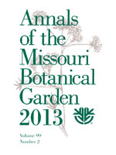
ANNALS OF THE MISSOURI BOTANICAL GARDEN
Connecting Scholars to the Wonders of Plant ScienceANNALS OF THE MISSOURI BOTANICAL GARDEN is a prestigious, peer-reviewed journal published by the Missouri Botanical Garden, focusing on the rich disciplines of Ecology, Evolution, Behavior, and Plant Science. With a storied history dating back to 1946, this journal has evolved to become a significant platform for scholars and professionals to disseminate research that informs global understanding of plant biology and conservation. Ranked in the Q2 category for both Ecology and Plant Science in 2023, it boasts commendable standings within the Scopus rankings, placing it in the 66th percentile for Plant Science and the 65th percentile for Ecology, Evolution, Behavior, and Systematics. The journal's commitment to rigorous scientific standards ensures that it remains a vital resource for those seeking to explore vital ecological and botanical research. As a product of the esteemed Missouri Botanical Garden, the journal serves researchers, professionals, and students alike, encouraging collaboration and innovation in the plant sciences community.
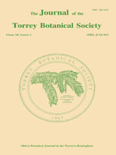
JOURNAL OF THE TORREY BOTANICAL SOCIETY
Fostering innovation in ecology and plant science.JOURNAL OF THE TORREY BOTANICAL SOCIETY is a prominent academic journal dedicated to advancing the fields of botany and ecology, published by the esteemed TORREY BOTANICAL SOCIETY. With an ISSN of 1095-5674 and an E-ISSN of 1940-0616, this journal serves as a critical platform for researchers, professionals, and students to share their findings and insights. Despite its status in the Q4 category for the 2023 rankings across Ecology, Plant Science, and Ecology, Evolution, Behavior and Systematics, the journal continues to foster significant discourse and collaboration in the botanical sciences, aiming to elevate the understanding of plant biology and ecosystems. Its open access options enhance accessibility, ensuring that groundbreaking research reaches a wider audience. Published in the United States, the journal features work from both established scientists and emerging scholars, making it a vital resource for anyone involved in the study of plants and their environmental interactions. Explore the JOURNAL OF THE TORREY BOTANICAL SOCIETY to engage with cutting-edge research and contribute to the ongoing dialogue in the botanical sciences.

Botanical Sciences
Connecting researchers to cultivate botanical excellence.Botanical Sciences, published by SOC BOTANICA MEXICO, is a pioneering open access journal dedicated to advancing the field of plant science. Established in 2012, it has rapidly become an essential resource for researchers and professionals interested in the diverse aspects of botany, including plant biology, ecology, and conservation. With an ISSN of 2007-4298 and an E-ISSN of 2007-4476, the journal operates under a vision to foster the exchange of knowledge and innovations among scientists globally. Recognized in the Q3 quartile for plant science in 2023 and ranking at #304 out of 516 in the Scopus category for Agricultural and Biological Sciences, Botanical Sciences is strategically positioned to widen its reach and impact. The journal's commitment to open access ensures that research findings are freely available to an international audience, providing invaluable insights and fostering collaboration within the botanical sciences community. The editorial board comprises leading experts who are dedicated to maintaining high-quality peer review processes to uphold the standards expected by the academic community.