
Canadian Journal of Gastroenterology and Hepatology
Scope & Guideline
Unveiling the Latest in Gastrointestinal and Liver Science
Introduction
Aims and Scopes
- Liver Diseases and Hepatology:
The journal covers various aspects of liver diseases, including hepatitis, liver cirrhosis, hepatocellular carcinoma, and complications arising from liver disorders. It emphasizes both clinical and molecular research that enhances understanding and treatment of these conditions. - Gastrointestinal Disorders:
Research related to gastrointestinal disorders, including inflammatory bowel disease, gastrointestinal cancers, and metabolic liver diseases, is a key focus. The journal publishes studies that explore pathophysiology, diagnosis, and treatment strategies. - Noninvasive Diagnostic Techniques:
There is a consistent emphasis on noninvasive methods for diagnosing liver and gastrointestinal conditions, such as elastography and imaging techniques, reflecting a trend toward reducing invasive procedures in clinical practice. - Public Health and Epidemiology:
The journal addresses public health issues related to gastrointestinal and liver diseases, including epidemiological studies that investigate disease prevalence, risk factors, and healthcare utilization. - Innovative Therapeutic Approaches:
The publication of studies on novel therapeutic interventions, including pharmacological treatments, surgical techniques, and integrative approaches, highlights the journal's commitment to improving patient care. - Biomarkers and Prognostic Models:
There is a strong focus on identifying biomarkers and developing prognostic models that aid in predicting disease outcomes and guiding treatment decisions.
Trending and Emerging
- Nonalcoholic Fatty Liver Disease (NAFLD) and Metabolic Disorders:
There is a growing body of research focused on NAFLD, particularly its relationship with metabolic disorders such as obesity and diabetes. This reflects an increased awareness of the systemic implications of liver health. - Telemedicine and Remote Patient Monitoring:
With the rise of telehealth, studies exploring the feasibility and effectiveness of remote monitoring for managing gastrointestinal conditions have become more prominent, especially in the context of the COVID-19 pandemic. - Immunotherapy for Liver and Gastrointestinal Cancers:
Research on immunotherapeutic strategies for treating liver and gastrointestinal cancers is on the rise, highlighting a shift toward innovative cancer treatments. - Artificial Intelligence and Machine Learning in Diagnostics:
Emerging themes include the application of AI and machine learning in diagnostic processes, particularly in predicting outcomes and personalizing treatment plans. - Public Health Implications of Gastroenterological Diseases:
An increase in studies addressing the public health impacts of gastrointestinal diseases, including healthcare costs and access to care, underscores the importance of these issues in the broader healthcare landscape.
Declining or Waning
- Traditional Surgical Techniques:
There has been a noticeable decrease in studies focusing solely on traditional surgical approaches for gastrointestinal diseases, possibly as newer, less invasive techniques gain favor. - Conventional Imaging Techniques:
The emphasis on conventional imaging methods appears to be waning as the field increasingly embraces advanced imaging modalities and radiomics for better diagnostic accuracy. - Acute Gastrointestinal Conditions:
Research specifically targeting acute gastrointestinal conditions seems less frequent, indicating a potential shift toward chronic disease management and long-term outcomes. - Basic Science Research:
There is a declining trend in purely basic science studies, as the journal increasingly prioritizes translational and clinical research that directly impacts patient care. - Single-Center Studies:
The frequency of single-center studies has decreased, reflecting a trend toward multicenter collaborations that enhance the generalizability of findings.
Similar Journals
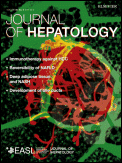
JOURNAL OF HEPATOLOGY
Unraveling the Complexities of Liver DiseasesJOURNAL OF HEPATOLOGY, published by Elsevier, stands as a preeminent source in the field of Hepatology, with its impact underscored by a remarkable 2023 Category Quartile of Q1 and a Scopus rank of 3rd out of 82 journals, placing it in the 96th percentile for the discipline. Since its inception in 1985, this journal has been a vital conduit for the dissemination of pioneering research, clinical studies, and reviews related to liver diseases and their impact on global health. Although it currently does not offer open access options, the journal is committed to providing top-tier content to its readership—researchers, medical professionals, and students—in order to advance knowledge and foster innovation in hepatology. With a broad and inclusive scope, it aims to cover significant breakthroughs, therapeutic advancements, and epidemiological studies, continually pushing the boundaries of understanding in liver health. The journal is based in Amsterdam, Netherlands, and remains an essential resource for those dedicated to the progression of hepatologic science.
HEPATOLOGY RESEARCH
Bridging research and practice for improved patient outcomes.Hepatology Research, ISSN 1386-6346 and E-ISSN 1872-034X, is a premier academic journal published by Wiley that serves the dynamic fields of Hepatology and Infectious Diseases. With an impressive 2023 impact factor and ranked Q2 in Hepatology and Q1 in Infectious Diseases, this journal stands out as a vital resource for researchers, professionals, and students. Covering a broad spectrum of topics related to liver health, the journal aims to disseminate cutting-edge research and insights from the converged years of 1997 to 2024. As an open-access platform, it fosters the global sharing of knowledge, providing valuable access to pioneering studies that address pressing issues in liver disease and its associated infections. Based in the United Kingdom, at 111 River St, Hoboken, NJ, Hepatology Research is pivotal for advancing scientific understanding and improving patient outcomes worldwide.
Korean Journal of Gastroenterology
Pioneering Research for Better Gastrointestinal CareKorean Journal of Gastroenterology (ISSN: 1598-9992, E-ISSN: 2233-6869), published by the Korean Society of Gastroenterology, has been a premier outlet for research and advancements in the field of gastroenterology since its inception in 1968. This open-access journal, based in South Korea, fosters a global dialogue on gastrointestinal health, embracing contributions from a diverse array of disciplines within medicine. It is currently ranked in the Q4 quartile for miscellaneous medicine and holds a Scopus rank of #323 out of 636 in general medicine, reflecting its commitment to publishing impactful research despite its relatively recent establishment in high-impact metrics. With a continuous publication timeline extending through to 2024, the journal aims to enhance understanding of gastrointestinal disorders and promote innovative treatments, making it an essential resource for researchers, clinicians, and students alike who seek to stay abreast of the latest developments and clinical applications in gastroenterology.
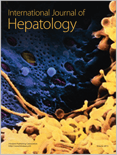
International Journal of Hepatology
Bridging research and clinical practice in hepatology.The International Journal of Hepatology, published by HINDAWI LTD, is a premier open-access journal dedicated to the field of hepatology. Since its inception, this journal has championed the dissemination of cutting-edge research and reviews pertaining to liver health, diseases, and therapies. With an ISSN of 2090-3448, the journal has been committed to open-access publishing since 2011, ensuring that vital knowledge is readily available to researchers, clinicians, and students worldwide. Based in Egypt, this journal stands out in its category, achieving a Q3 ranking in 2023 within the scope of Hepatology by Scopus, which ranks it #43 out of 82 in the field. The International Journal of Hepatology offers a platform for significant findings and discussions that influence clinical practices and foster new research directions, thus playing a crucial role in advancing the understanding of liver diseases and their management.

BMJ Open Gastroenterology
Fostering Collaboration for Transformative Gastrointestinal CareBMJ Open Gastroenterology is a premier open access journal published by the esteemed BMJ Publishing Group, focusing on the dynamic and evolving field of gastroenterology. Established in 2014, the journal has rapidly ascended in stature, reflected in its impressive 2023 Q1 ranking in gastroenterology and its position within the top 25% of journals in the category according to Scopus. With a mission to disseminate high-quality, peer-reviewed research with global significance, the journal provides a vital platform for researchers, professionals, and students alike to share their findings and advancements in gastrointestinal medicine. Operating from its headquarters in London, England, the journal's open access format ensures wide visibility and accessibility of cutting-edge research, making it an invaluable resource for those dedicated to improving patient care and driving innovation in gastroenterological sciences. By engaging with this journal, contributors and readers can stay at the forefront of critical developments in the field, fostering a collaborative environment for knowledge exchange.
REVISTA ESPANOLA DE ENFERMEDADES DIGESTIVAS
Exploring innovative solutions in gastroenterology.REVISTA ESPANOLA DE ENFERMEDADES DIGESTIVAS, a pivotal Open Access journal published by ARAN EDICIONES, S A, has been at the forefront of advancing the field of gastroenterology since its inception in 1990. With a robust commitment to disseminating high-quality research, the journal provides a platform for researchers, clinicians, and students to share innovative findings and insights concerning digestive diseases. The journal is characterized by its Q3 ranking in both Gastroenterology and Miscellaneous Medicine categories, indicative of its significant contributions to these fields, and is positioned within the 36th percentile of Scopus rankings for medicine related to gastroenterology. Based in Spain, REVISTA ESPANOLA DE ENFERMEDADES DIGESTIVAS has embraced the Open Access model since 2004, ensuring that its articles are readily available to a global audience without financial barriers. The journal not only supports academic discourse but also plays a crucial role in improving clinical practices and health outcomes related to digestive health.

Translational Gastroenterology and Hepatology
Advancing Patient Outcomes through Translational Research.Translational Gastroenterology and Hepatology, published by AME Publishing Company, stands as a pivotal platform for advancing the understanding and treatment of gastrointestinal and liver diseases. With its focus on translational research, this journal aims to bridge the gap between laboratory discoveries and clinical applications, thus fostering improvements in patient care. Although specific metrics like H-Index and Scopus ranks are currently unavailable, the journal is committed to maintaining high standards of scholarly communication and excellence. As an open-access publication, it ensures that valuable findings are readily accessible to a global audience, promoting collaboration and innovation among researchers, clinicians, and healthcare professionals invested in gastroenterology and hepatology. The journal's dedication to disseminating groundbreaking research makes it an essential resource for those seeking to stay at the forefront of these ever-evolving fields.

World Journal of Hepatology
Connecting global researchers to advance hepatology knowledge.World Journal of Hepatology is a premier academic journal dedicated to advancing the field of hepatology. Published by BAISHIDENG PUBLISHING GROUP INC, this journal serves as a crucial platform for disseminating innovative research findings and critical reviews from around the globe. With its ISSN 1948-5182 and E-ISSN 1948-5182, the journal has established a notable presence since its inception in 2009, covering a wide range of topics relevant to liver diseases, including but not limited to hepatitis, liver cancer, and metabolic liver disorders. Currently ranked 41/82 in the field of hepatology by Scopus, representing the 50th percentile, it has achieved a Q3 quartile ranking in the 2023 category, underscoring its growing influence in the medical community. With a commitment to open access for its readership, the World Journal of Hepatology enriches the global discourse on liver health and disease management, making it an essential resource for researchers, clinicians, and students alike.

Clinical Gastroenterology and Hepatology
Empowering the Future of Gastroenterological MedicineClinical Gastroenterology and Hepatology, published by Elsevier Science Inc, stands as a leading journal in the fields of gastroenterology and hepatology. With an ISSN of 1542-3565 and an E-ISSN of 1542-7714, this esteemed publication has earned its place in the top quartile (Q1) of both gastroenterology and hepatology categories as of 2023, ranking 6th out of 167 and 7th out of 82 respectively. The journal aims to disseminate innovative research, clinical studies, and case reports that advance the understanding and treatment of gastrointestinal and liver diseases. Targeted towards researchers, healthcare professionals, and students, it provides crucial insights into emerging therapies and medical advancements. Clinical Gastroenterology and Hepatology is not only a pivotal resource for contemporary gastroenterological research but also fosters collaboration and knowledge-sharing within the medical community. With a converging publication history from 2003 to the present, the journal continues to build on its solid foundation of scientific excellence and relevance.
Frontline Gastroenterology
Pioneering Research for Liver and Gut HealthFrontline Gastroenterology is a leading academic journal published by the BMJ Publishing Group that plays a vital role in advancing the field of gastroenterology and hepatology. Established in 2013, this prestigious journal has established itself as a significant resource for researchers, healthcare professionals, and students alike, maintaining a commendable impact factor and consistently achieving a Q2 ranking in both gastroenterology and hepatology categories as of 2023. With its focus on disseminating high-quality, peer-reviewed research, Frontline Gastroenterology covers a wide scope of topics pertinent to the understanding, diagnosis, and treatment of gastrointestinal and liver diseases. Although it does not offer Open Access options, its content is accessible through various institutional and personal subscriptions, ensuring that critical findings reach an international audience. As the journal continues to converge into the future, it remains dedicated to fostering innovation and dialogue in gastroenterological sciences.