
Canadian Liver Journal
Scope & Guideline
Pioneering Research for a Healthier Liver Future.
Introduction
Aims and Scopes
- Hepatitis Management and Research:
The journal emphasizes research on hepatitis viruses, including hepatitis B and C, focusing on epidemiology, treatment efficacy, and elimination strategies. - Liver Transplantation and Eligibility:
A core area is the study of liver transplantation, including recipient selection, eligibility criteria, and outcomes, reflecting the evolving practices in transplant medicine. - Impact of Lifestyle on Liver Health:
Research focusing on lifestyle factors affecting liver health, such as alcohol use, diet, and exercise, is prevalent, indicating the journal's commitment to preventive hepatology. - Health Disparities and Access to Care:
The journal addresses disparities in liver disease management, particularly among Indigenous populations and marginalized communities, highlighting the need for equitable healthcare access. - Innovative Therapies and Treatment Approaches:
There is a strong focus on novel therapeutic approaches, including direct-acting antivirals for hepatitis C and other emerging treatments for liver diseases. - Public Health and Policy Implications:
The journal includes studies that examine the public health implications of liver diseases and the effectiveness of health policies aimed at improving liver health outcomes.
Trending and Emerging
- Telehealth and Digital Health Solutions:
There is an increasing interest in the role of digital health interventions, such as app-based solutions for managing liver disease, reflecting broader trends in healthcare technology. - Intersection of Hepatology and Mental Health:
Emerging research explores the psychological aspects of liver diseases, including mental health outcomes for patients with chronic liver conditions, highlighting the need for holistic care. - Inclusive Research Practices:
A growing emphasis on inclusivity in research methodologies, particularly involving Indigenous populations and other marginalized groups, is evident, aiming to address health disparities. - COVID-19 Impact on Liver Health:
The journal has seen an uptick in studies examining the intersection of liver disease management and the COVID-19 pandemic, focusing on its implications for treatment and healthcare access. - Integration of Multidisciplinary Approaches:
Recent papers highlight the integration of various specialties in liver care, emphasizing collaborative approaches that include gastroenterology, nutrition, and mental health. - Focus on Non-Alcoholic Fatty Liver Disease (NAFLD):
Research on NAFLD and its associated metabolic disorders is increasingly prominent, reflecting the rising prevalence of these conditions and their implications for public health.
Declining or Waning
- Case Studies and Anecdotal Reports:
There has been a noticeable decline in the publication of individual case studies, indicating a potential shift towards more comprehensive cohort studies and systematic reviews. - Traditional Hepatitis Treatment Protocols:
Research focusing on older treatment methods for hepatitis, such as interferon therapies, appears to be waning in favor of studies on newer direct-acting antiviral agents. - General Reviews without New Insights:
The frequency of purely descriptive reviews without significant new findings or insights has decreased, as the journal seeks more innovative and impactful contributions. - Focus on Rare Liver Diseases:
While rare liver diseases are still relevant, papers specifically addressing these conditions have diminished, possibly indicating a preference for more common and impactful liver conditions. - Pharmacological Studies of Established Drugs:
The exploration of well-established pharmacological treatments for liver diseases has seen a decline, suggesting a shift towards novel therapies and research methodologies.
Similar Journals
Hepatology International
Innovating hepatology for a healthier tomorrow.Hepatology International is a premier academic journal dedicated to advancing the field of liver research and hepatology. Published by SPRINGER, this journal boasts a prestigious Q1 ranking in Hepatology as of 2023, underscoring its commitment to high-quality research dissemination. The journal’s scope encompasses a wide range of topics related to liver disease, including clinical, translational, and basic science studies. With its impact factor reflecting its relevance and influence in the field, Hepatology International serves as an essential resource for researchers, clinicians, and students aiming to keep abreast of the latest developments and breakthroughs. Though traditionally a subscription-based journal, it offers a vast array of insightful articles that contribute significantly to our understanding of hepatological conditions. The journal continues its trajectory of growth since its inception in 2008, anticipating a convergence of knowledge and innovation through to 2024. Located in the heart of New York City, this journal not only represents a crucial platform for global hepatology research but also fosters a collaborative community of experts dedicated to improving liver health worldwide.
Egyptian Liver Journal
Empowering the hepatology community with vital knowledge.The Egyptian Liver Journal, ISSN 2090-6218, is a vital resource for the hepatology community, published by SPRINGEROPEN. Since its establishment in 2012, this journal has served as a platform for disseminating significant findings in liver research, with an emphasis on enhancing understanding and treatment of liver diseases. Recognized with a Q3 ranking in Hepatology for 2023, the Egyptian Liver Journal aims to bridge the gap between research and clinical practice through its commitment to open access, fostering a global exchange of knowledge without barriers since 2019. With a focus on innovative studies, reviews, and clinical guidelines, the journal appeals to a diverse audience of researchers, clinicians, and students dedicated to advancing liver health. Situated in the heart of the United States, this publication addresses the pressing issues within the field and encourages submissions that address the future of liver care and treatment.
Canadian Journal of Gastroenterology and Hepatology
Elevating Standards in Gastroenterology and Hepatology ResearchCanadian Journal of Gastroenterology and Hepatology, published by HINDAWI LTD, serves as a vital resource in the fields of gastroenterology and hepatology. Since its inception in 1987, this open-access journal has made significant contributions to advancing research and clinical practice through its comprehensive coverage of topics ranging from liver diseases to gastrointestinal disorders. With an impressive Q2 ranking in Gastroenterology and a Q3 ranking in Hepatology as of 2023, the journal has established itself as an influential platform for researchers and healthcare professionals seeking to disseminate and acquire knowledge. The journal is based in Egypt, with its operational headquarters located in London, England. Notably, it holds a respectable standing in Scopus rankings, placed at Rank #64 in Gastroenterology and Rank #34 in Hepatology, reflecting its impact and relevance in the medical community. With a commitment to quality and accessibility, the Canadian Journal of Gastroenterology and Hepatology continues to foster innovation and collaboration among its readers.
JOURNAL OF HEPATOLOGY
Fostering Innovation in Hepatology ResearchJOURNAL OF HEPATOLOGY, published by Elsevier, stands as a preeminent source in the field of Hepatology, with its impact underscored by a remarkable 2023 Category Quartile of Q1 and a Scopus rank of 3rd out of 82 journals, placing it in the 96th percentile for the discipline. Since its inception in 1985, this journal has been a vital conduit for the dissemination of pioneering research, clinical studies, and reviews related to liver diseases and their impact on global health. Although it currently does not offer open access options, the journal is committed to providing top-tier content to its readership—researchers, medical professionals, and students—in order to advance knowledge and foster innovation in hepatology. With a broad and inclusive scope, it aims to cover significant breakthroughs, therapeutic advancements, and epidemiological studies, continually pushing the boundaries of understanding in liver health. The journal is based in Amsterdam, Netherlands, and remains an essential resource for those dedicated to the progression of hepatologic science.
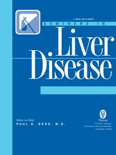
SEMINARS IN LIVER DISEASE
Championing knowledge for a healthier liver future.SEMINARS IN LIVER DISEASE is a premier journal dedicated to advancing the field of hepatology, published by THIEME MEDICAL PUBL INC. Established in 1981, it has become a respected resource within the academic community, providing high-quality peer-reviewed articles that cover a broad range of topics related to liver diseases. With an impressive impact factor and recognized as a Q1 journal in the hepatology category, it ranks 17th out of 82 journals in the field, placing it in the top 21% of its category according to Scopus rankings. Although it does not offer open access, the journal’s rigorous standards and extensive network ensure that it reaches a wide audience of clinicians, researchers, and students, fostering knowledge and innovation in liver disease management. The journal's objectives focus on disseminating critical insights and promoting informed discussions that can pave the way for future research and clinical advancements in hepatology.
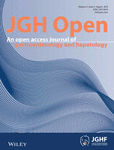
JGH Open
Transforming Discovery into Practice in GastroenterologyJGH Open is a prominent open-access journal dedicated to advancing knowledge in the fields of Gastroenterology and Hepatology, published by WILEY. Since its inception in 2017, the journal has served as a crucial platform for researchers, professionals, and students to disseminate innovative research findings and clinical insights. With an impact factor and Scopus rankings reflecting its steady growth—ranking in the 3rd quartile for both Gastroenterology (Q3) and Hepatology (Q3)—JGH Open is positioned within the competitive landscape of medicine. Its commitment to open access enhances the visibility and accessibility of high-quality research, ensuring that significant advancements in understanding diseases of the gastrointestinal tract and liver reach a broad audience. With a focus on collaboration and dissemination of knowledge, JGH Open aims to contribute to the global discourse and improve outcomes in gastrointestinal health.
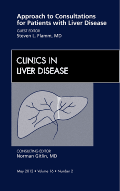
Clinics in Liver Disease
Elevating standards in the study of liver diseases.Clinics in Liver Disease is an esteemed peer-reviewed journal published by W B Saunders Co-Elsevier Inc, dedicated to advancing the field of hepatology. Established in 1997 and covering a broad range of topics within liver disease research, this journal serves as a vital resource for researchers, clinicians, and students engaged in the study of liver health and diseases. With a commendable impact factor placing it within the Q2 category in Hepatology and ranking #32 out of 82 in the Scopus classifications, it consistently disseminates high-quality research and clinical insights. The journal’s commitment to promoting understanding and management of liver diseases is reflected in its rigorous editorial standards and comprehensive review processes. Although not an open-access publication, Clinics in Liver Disease offers subscription options that ensure accessibility to up-to-date research and reviews critical for both academic and clinical success.
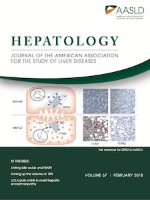
HEPATOLOGY
Empowering researchers and clinicians in the field of hepatology.HEPATOLOGY is a premier scholarly journal dedicated to advancing the field of liver research and clinical practice. Published by Lippincott Williams & Wilkins, this journal boasts an impressive impact factor and holds a prestigious position as one of the top-ranked publications in both Hepatology (Q1) and Medicine (miscellaneous, Q1) categories as of 2023. HEPATOLOGY, with its commitment to disseminating high-quality research since its inception in 1981, serves as an essential platform for researchers, clinicians, and students focusing on liver diseases, including hepatitis, cirrhosis, and liver cancer. The journal's editorial board comprises leading experts who guide the publication towards its objective of fostering innovation and collaboration in this critical area of health. Although it does not offer an open access model, HEPATOLOGY ensures that its comprehensive analyses, reviews, and groundbreaking studies are accessible to the global medical community. Join the discourse in hepatology and be a part of a transformative journey through this indispensable resource.
International Journal of Hepatology
Connecting researchers and clinicians for better liver health.The International Journal of Hepatology, published by HINDAWI LTD, is a premier open-access journal dedicated to the field of hepatology. Since its inception, this journal has championed the dissemination of cutting-edge research and reviews pertaining to liver health, diseases, and therapies. With an ISSN of 2090-3448, the journal has been committed to open-access publishing since 2011, ensuring that vital knowledge is readily available to researchers, clinicians, and students worldwide. Based in Egypt, this journal stands out in its category, achieving a Q3 ranking in 2023 within the scope of Hepatology by Scopus, which ranks it #43 out of 82 in the field. The International Journal of Hepatology offers a platform for significant findings and discussions that influence clinical practices and foster new research directions, thus playing a crucial role in advancing the understanding of liver diseases and their management.
LIVER INTERNATIONAL
Bridging the gap between research and clinical practice in liver health.LIVER INTERNATIONAL, with its ISSN 1478-3223 and E-ISSN 1478-3231, is a prestigious peer-reviewed journal published by Wiley in the United Kingdom. Established in 2003, it focuses on advancing the field of hepatology, covering a broad spectrum of topics including liver disease, hepatocellular carcinoma, and transplantation. Ranking #10 out of 82 in the Scopus category for Medicine - Hepatology and boasting a remarkable 88th percentile, LIVER INTERNATIONAL has secured its reputation as a leading journal, recognized as Q1 in the 2023 category quartiles. The journal emphasizes accessibility, offering an open access option to ensure that critical research findings reach a wider audience. By facilitating the dissemination of high-quality research, LIVER INTERNATIONAL plays a vital role in shaping contemporary hepatological discourse and bridging academic inquiry with clinical practice, making it an essential resource for researchers, healthcare professionals, and students alike.