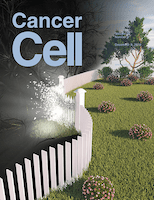
CANCER CELL
metrics 2024
Shaping the Future of Cancer Treatment and Research
Introduction
Cancer Cell, published by Cell Press, represents a pinnacle of research in the fields of cancer research, cell biology, and oncology. With an impressive Impact Factor and ranking as Q1 in prestigious categories for both 2023 and previous years, this journal stands out as a vital resource for professionals and scholars dedicated to understanding the molecular underpinnings of cancer. Operating from Cambridge, MA, Cancer Cell has been an essential platform for innovative studies since its inception in 2002. Although it is not an Open Access journal, its rigorous peer-review process ensures that only the highest quality research is disseminated to the scientific community. Readers can expect to find a wealth of knowledge ranging from cutting-edge therapies to insights into tumor biology, thereby contributing significantly to the advancement of oncology. With rankings placing it among the top echelons of related fields—#2 in Cancer Research and #6 in Oncology—Cancer Cell is an indispensable reference for anyone committed to the fight against cancer.
Metrics 2024
 17.5148.8042.10398
Metrics History
Rank 2024
Scopus
IF (Web Of Science)
JCI (Web Of Science)
Quartile History
Similar Journals

Molecular Cancer
Pioneering open access to vital cancer insights.Molecular Cancer, published by BMC, stands as a premier open access journal dedicated to advancing our understanding of cancer biology, treatment, and prevention since its inception in 2002. With an impressive Q1 ranking in the domains of Cancer Research, Molecular Medicine, and Oncology, this journal occupies a significant position in the academic landscape, emphasizing high-quality research that influences clinical practices and future studies. The journal is indexed in leading databases with exceptional Scopus ranks, reflecting its rigorous peer-review process and impactful contributions to the field, where it ranks in the top 2-3 positions across various relevant categories. Based in the United Kingdom, Molecular Cancer offers researchers worldwide a valuable platform for disseminating innovative findings that drive the biomedical community forward. The journal's open access model ensures that groundbreaking research is freely accessible, fostering collaboration and knowledge sharing among professionals, students, and academics alike. Explore cutting-edge developments in cancer research through Molecular Cancer and join a community committed to improving patient outcomes and advancing scientific discovery.
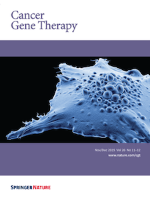
CANCER GENE THERAPY
Driving Progress in Molecular Biology for Cancer SolutionsCancer Gene Therapy, published by SpringerNature, stands at the forefront of research in the fields of cancer research, molecular biology, and molecular medicine. With a robust impact factor reflecting its significant influence—ranking in the Q2 category for cancer research and Q1 for both molecular biology and molecular medicine—it serves as an essential resource for scholars and practitioners alike. Since its inception in 1994, the journal has dedicated itself to advancing the understanding and therapeutic application of genetic innovations in oncology. Notably, it holds distinguished Scopus ranks, placing it among the top tier journals in its categories, underscoring its importance to the scientific community. While open access options are not available, the compelling research published here offers invaluable insights into the latest advancements and strategies in cancer therapy. Engaging with *Cancer Gene Therapy* not only keeps professionals informed but also inspires future innovations in the quest for effective cancer treatments.

BIOCELL
Innovative Insights into Cellular MechanismsBIOCELL is a distinguished peer-reviewed journal dedicated to the field of Cell Biology, published by TECH SCIENCE PRESS. Since its inception in 1995, the journal has been at the forefront of disseminating innovative research, with converged publication years extending from 1995 to 2013 and from 2015 to 2024. Although it currently holds a Q4 ranking in the Cell Biology category according to the 2023 category quartiles, BIOCELL aims to foster advancements by providing a platform for researchers, professionals, and students to share their findings in biochemistry, genetics, and molecular biology. The journal is available in both print (ISSN: 0327-9545) and digital formats (E-ISSN: 1667-5746) and seeks to attract contributions that enhance scholarly dialogue and understandings of cellular mechanisms and innovations. With a commitment to quality research and critical discourse, BIOCELL plays an important role in nurturing the scientific community within Argentina and beyond, offering vital insights that contribute to the advancement of the life sciences.
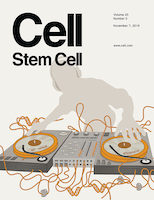
Cell Stem Cell
Elevating Research Standards in Stem Cell and Molecular BiologyCell Stem Cell, published by CELL PRESS, is a premier journal at the forefront of cellular biology, genetics, and molecular medicine. With an esteemed impact factor and recognized as a Q1 journal in multiple categories including Cell Biology, Genetics, and Molecular Medicine, it offers researchers, professionals, and students rigorous, peer-reviewed articles that shape the future of stem cell research and regenerative medicine. Located in Cambridge, MA, this journal has become an invaluable resource since its inception in 2007 and is committed to disseminating groundbreaking findings that drive innovation and understanding in these critical fields. By consistently ranking within the top percentile of its categories in Scopus, Cell Stem Cell remains an essential platform for scholarly communication, fostering collaboration among leading scientists worldwide. Although the journal does not currently offer open access options, its comprehensive insights are pivotal for anyone engaged in the study of stem cells and their applications.
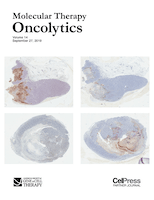
Molecular Therapy Oncolytics
Empowering Researchers to Revolutionize Cancer TherapyMolecular Therapy Oncolytics is an esteemed Open Access journal published by CELL PRESS, focusing on cutting-edge research in the fields of oncology, molecular medicine, and pharmacology. Established in 2014, the journal has quickly gained a prominent position in the academic community, reflected in its impressive Q1 and Q2 rankings across various categories including Cancer Research, Molecular Medicine, and Pharmacology. With an impactful presence in the UK and a strong international readership, it aims to disseminate significant advancements in therapeutic strategies targeted at cancer treatment and management. By providing a platform for peer-reviewed research, Molecular Therapy Oncolytics plays a critical role in bridging the gap between scientific innovation and clinical application, making it an invaluable resource for researchers, healthcare professionals, and students striving to contribute to the evolving landscape of oncology.

FEBS Journal
Pioneering Discoveries in Life SciencesFEBS Journal is a prestigious, peer-reviewed publication dedicated to advancing the field of biochemistry, cell biology, and molecular biology. Published by WILEY in the United Kingdom, this journal boasts an impressive impact factor and ranks in the top quartile (Q1) across multiple relevant categories, including Biochemistry, Cell Biology, and Molecular Biology, reflecting its significant contribution to scientific research. With an ISSN of 1742-464X and an E-ISSN of 1742-4658, the FEBS Journal publishes original research and comprehensive reviews that push the boundaries of knowledge and innovation in the biosciences. As a vital resource for researchers, professionals, and students alike, the journal offers Open Access options, ensuring that cutting-edge discoveries are accessible to a broad audience. With a publication history converging from 2005 to the present and a robust emphasis on high-quality scholarly work, the FEBS Journal remains an essential platform for the dissemination of significant findings and advancements in the life sciences.
Cancer Research Communications
Empowering global collaboration in cancer research.Cancer Research Communications is an esteemed journal published by the American Association for Cancer Research, a leading organization in the field of oncology. This journal aims to advance knowledge in cancer research through the dissemination of high-quality, peer-reviewed articles that cover a wide range of topics related to cancer biology, treatment modalities, and prevention strategies. As an open-access journal, Cancer Research Communications ensures that vital research findings are accessible to a global audience, promoting collaboration and innovation within the scientific community. The journal serves as a crucial platform for researchers, professionals, and students to share their insights and foster the exchange of effective cancer therapies and methodologies. With a commitment to excellence, it plays a significant role in shaping the future of cancer research and therapeutic development.
Nature Cancer
Uniting Researchers for a Cancer-Free FutureNature Cancer, published by NATURE PORTFOLIO, stands at the forefront of oncological research with a robust impact within the scientific community. As an esteemed journal with impressive rankings—#12 in Medicine (Oncology) and #8 in Biochemistry, Genetics and Molecular Biology (Cancer Research) according to Scopus, placing it within the 97th and 96th percentiles respectively—Nature Cancer boasts a Q1 category status in both Cancer Research and Oncology for 2023. The journal's commitment to advancing cancer research is crucial, promoting high-quality, peer-reviewed studies that address the complexities of cancer biology and treatment. By facilitating open access to impactful findings, Nature Cancer aims to foster collaboration and inspire innovative approaches among researchers, professionals, and students alike, making significant strides in the global fight against cancer. As this pivotal publication continues its converged years from 2020 to 2024, it heralds a future ripe with transformative insights and breakthroughs in the vital field of oncology.

Cancer Biology & Medicine
Shaping the Future of Cancer Biology and MedicineCancer Biology & Medicine is a distinguished Open Access journal published by the China Anti-Cancer Association, dedicated to advancing research and understanding in the fields of Cancer Research and Oncology. Since its inception in 2012, the journal has provided a vital platform for the dissemination of high-quality research, evidenced by its impressive ranking within the Q1 and Q2 categories of oncology and cancer research as of 2023. With a significant impact factor and a Scopus ranking of #64 in Medicine/Oncology and #55 in Biochemistry, Genetics, and Molecular Biology, it plays a crucial role in shaping the future of cancer biology. By offering open access to its content, the journal ensures that pivotal research findings are readily available to researchers, professionals, and students globally, thereby fostering collaboration and innovation in cancer research. Situated in Tianjin, China, this journal is poised at the frontier of oncology research, making a significant impact through its rigorous peer-reviewed articles that address critical challenges in the field.
Advances in Cancer Biology-Metastasis
Unraveling the Secrets of Metastasis.Advances in Cancer Biology-Metastasis is an emerging journal published by Elsevier, aimed at advancing our understanding of the complexities of cancer biology, with a specific focus on the mechanisms and pathways related to metastasis. With an E-ISSN of 2667-3940, this journal offers a platform for researchers, professionals, and students in the fields of Cancer Research and Cell Biology to disseminate innovative findings and discuss novel therapeutic approaches. Though currently classified in the Q4 quartile across both Cancer Research and Cell Biology categories, the journal aspires to enhance its impact through rigorous peer review and high-quality publication. Positioned to cover the years from 2021 to 2024, it seeks to bridge gaps in foundational knowledge and promote collaborative research efforts that could pivot the current understanding of cancer metastasis. Researchers are encouraged to take advantage of this platform to advocate for advancements in cancer biology, making significant contributions that can influence both academic and clinical practices.