
Carbon Energy
metrics 2024
Empowering research in carbon-based energy innovation.
Introduction
Welcome to Carbon Energy, an esteemed open-access journal published by WILEY that focuses on cutting-edge research in the field of energy and materials science. Since its inception in 2019, this journal has quickly established itself as a leading platform for disseminating impactful findings and innovations related to carbon-based energy solutions, renewable resources, and sustainability practices. With its impressive Q1 rankings in multiple categories—including Energy (miscellaneous), Materials Chemistry, and Renewable Energy—Carbon Energy is recognized for delivering high-quality, peer-reviewed content that meets the rigorous standards of the academic community. Through its open-access model, the journal ensures wide accessibility of research findings, making it an invaluable resource for researchers, professionals, and students alike. As we look toward the future, Carbon Energy aims to further its mission of advancing sustainable energy technologies and promoting interdisciplinary collaboration in tackling global energy challenges.
Metrics 2024
 -19.5019.90-
Metrics History
Rank 2024
IF (Web Of Science)
JCI (Web Of Science)
Quartile History
Similar Journals
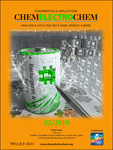
ChemElectroChem
Exploring the dynamic intersection of chemistry and energy.ChemElectroChem is a premier open-access journal published by WILEY-V C H VERLAG GMBH, focusing on the interdisciplinary fields of catalysis and electrochemistry. Established in 2014 and actively publishing until 2024, this journal boasts an impressive reputation, currently ranked in the Q2 category for both catalysis and electrochemistry according to the 2023 metrics. With an Scopus ranking placing it in the 74th percentile for Electrochemistry and 61st for Chemical Engineering and Catalysis, ChemElectroChem serves as an essential platform for researchers, professionals, and students dedicated to advancing knowledge and fostering innovation in these critical scientific domains. Since its transition to open access in 2023, the journal aims to maximize the dissemination of cutting-edge research and facilitate the exchange of ideas among global scholars, thereby enhancing the accessibility and impact of high-quality science within the community. For those engaged in the ever-evolving conversations around energy storage, conversion processes, and sustainable solutions, ChemElectroChem is an invaluable resource.
JOURNAL OF POWER SOURCES
Pioneering Research in Renewable and Traditional EnergyThe Journal of Power Sources is a premier multidisciplinary journal published by Elsevier, focusing on the advancement of technology and science in the field of power sources. Established in 1976, it showcases high-quality research spanning traditional and emerging technologies related to energy storage, conversion, and utilization. With a strong commitment to impact, this journal ranks in the Q1 quartile for several categories, including Electrical and Electronic Engineering, Energy Engineering and Power Technology, and Renewable Energy, Sustainability, and the Environment, reflecting its broad influence and esteemed contributions to the field. The journal is highly regarded within Scopus, holding impressive rankings such as Rank #33 in Electrical and Electronic Engineering and Rank #13 in Energy Engineering, among others, positioning it well within the scientific community. While the journal is not open access, it remains pivotal for professionals, researchers, and students seeking to stay at the forefront of developments in power sources. The continuity of its publication until 2024 further ensures that it will remain a key resource for innovative research and technological advancements in energy solutions.
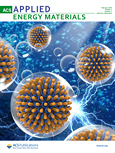
ACS Applied Energy Materials
Exploring Cutting-edge Advances in Energy SystemsACS Applied Energy Materials, published by the American Chemical Society, is a premier journal dedicated to the cutting-edge fields of energy materials, chemical engineering, and electrochemistry. With an impressive impact factor and consistently ranked in the Q1 category across multiple disciplines—including Chemical Engineering, Electrical and Electronic Engineering, and Materials Chemistry—this journal serves as a pivotal platform for researchers and professionals focused on innovative solutions for energy systems and materials science. Since its inception in 2018, ACS Applied Energy Materials has been committed to disseminating high-quality research that addresses pressing energy challenges, promoting sustainability and efficiency in various applications. Its competitive Scopus rankings reflect the journal's influence and relevance within the academic community, making it an essential resource for anyone looking to stay at the forefront of energy materials research.

Advanced Energy and Sustainability Research
Driving Change through Open Access ResearchAdvanced Energy and Sustainability Research is a leading open-access journal published by WILEY since 2020, dedicated to advancing knowledge and understanding in the realms of energy and sustainability. With an impressive impact factor and a commitment to high-quality, peer-reviewed research, this journal serves an international audience of researchers, professionals, and students passionate about addressing critical environmental challenges. The journal encompasses a wide array of topics within environmental science and energy fields, securing notable rankings in Scopus with top percentiles across several categories, including Ecology, Energy Engineering and Power Technology, and Waste Management. Given its open-access model, Advanced Energy and Sustainability Research facilitates the dissemination of cutting-edge research, enhancing accessibility and fostering collaboration within the scientific community. This journal not only plays a pivotal role in shaping public policy and industry practices but also aims to inspire innovative solutions for sustainable development in an increasingly complex world.
ChemSusChem
Pioneering Research for a Greener FutureChemSusChem is a premier interdisciplinary journal, published by WILEY-V C H VERLAG GMBH, that focuses on the critical fields of Chemical Engineering, Energy, Environmental Chemistry, and Materials Science. Since its inception in 2008, the journal has consistently maintained a Q1 ranking across multiple categories, highlighting its role as a vital resource for researchers and professionals dedicated to advancing sustainable chemical processes and technologies. With an impressive impact factor, it ranks 12th in General Chemical Engineering and is highly regarded within its scopes, indicating the journal's commitment to publishing high-quality, innovative research that addresses global challenges in energy and environmental sustainability. Though it operates on a subscription model, its contributions are essential for those in academia and industry seeking cutting-edge developments in sustainable chemistry. As it approaches its convergence span through 2024, ChemSusChem continues to shape the future of sustainable chemistry, making it a must-read for students, researchers, and practitioners alike.
Catalysts
Exploring the Frontiers of Catalysis and ChemistryCatalysts is a leading academic journal in the field of catalysis, published by MDPI since 2011 and well-regarded for its commitment to open access publishing. Based in Switzerland, this journal delivers innovative research and reviews that span various aspects of catalysis, from heterogeneous and homogeneous catalysis to the development of novel catalytic systems. With a commendable impact factor and a notable Q2 ranking in both Catalysis and Physical and Theoretical Chemistry categories, Catalysts plays a critical role in advancing the scientific discourse in these fields. The open-access model ensures that all research articles are readily accessible to researchers and professionals worldwide, fostering collaboration and accessibility to high-quality scientific literature. As the journal continues to publish cutting-edge studies up to its convergence in 2024, it remains an essential resource for anyone involved in catalysis research, from seasoned professionals to emerging scholars.
Journal of Energy Chemistry
Exploring the Frontiers of Energy ChemistryThe Journal of Energy Chemistry, published by Elsevier, is a premier international journal that has established itself at the forefront of research in the fields of electrochemistry and energy technology. With an impressive impact factor, this journal is classified in the Q1 quartile across multiple categories including Energy Engineering and Power Technology, Fuel Technology, and Electrochemistry, underscoring its significant contribution to advancing knowledge and innovation in energy systems. Based in the Netherlands, the journal offers open access to its cutting-edge research, allowing for broad dissemination and engagement among researchers, professionals, and students alike. The scope of the journal spans crucial topics from chemical energy storage to sustainable energy solutions, making it an essential resource for those looking to understand and contribute to the evolving landscape of energy chemistry.

NEW CARBON MATERIALS
Transforming Ideas into Carbon SolutionsNEW CARBON MATERIALS, published by Elsevier, is a leading academic journal that focuses on the innovative and multidisciplinary field of carbon materials research. With an ISSN of 2097-1605 and an E-ISSN of 1872-5805, this journal has established itself as a prominent platform for disseminating cutting-edge studies and applications in the realm of carbon nanomaterials, composites, and their industrial applications. Recognized for its high quality, NEW CARBON MATERIALS holds a Q1 ranking in the Materials Science category, reflecting its significant impact within the scientific community. The journal has continuously fostered knowledge exchange since its inception in 2004 and is set to further advance research until 2024. With a Scopus rank of #89 out of 463 journals in the General Materials Science category, this publication is essential for researchers, professionals, and students seeking to stay informed about the latest developments in carbon materials. While it is not an open-access journal, it offers various access options to ensure that the latest findings are available to a broad audience. By bridging the gap between theory and practical application, NEW CARBON MATERIALS is at the forefront of addressing critical challenges and paving the way for future advancements in materials science.

Green Energy & Environment
Innovating Research for Renewable Energy and Environmental Harmony.Green Energy & Environment, published by KEAI PUBLISHING LTD, stands as a pioneering journal dedicated to the dynamic fields of renewable energy, sustainability, and environmental science. With its ISSN 2096-2797 and E-ISSN 2468-0257, this Q1 journal holds a noteworthy presence in academic discourse, reflecting its high-quality contributions within these critical areas of research. Launched in 2016, it has consistently embraced an Open Access model, facilitating unhindered access to research findings and fostering collaboration across global communities. Based in Beijing, China, this journal is dedicated to disseminating innovative insights that are essential for addressing urgent global challenges related to energy and environmental sustainability. Researchers, professionals, and students alike benefit from a platform that not only showcases pioneering research but also encourages interdisciplinary dialogue and knowledge exchange in the pursuit of a sustainable future.
CARBON
Connecting Researchers in Chemistry and Materials ScienceCARBON is a leading peer-reviewed journal published by PERGAMON-ELSEVIER SCIENCE LTD, focusing on the realms of Chemistry and Materials Science. With an impressive impact factor, CARBON is ranked within the top quartile (Q1) of both fields in the 2023 Scimago Journal Rank, remarkably securing the 18th position out of 463 in General Materials Science and the 22nd position out of 408 in General Chemistry. Since its inception in 1963, the journal has been dedicated to publishing high-quality research that advances the understanding of carbon-based materials and their applications. Operating from the United Kingdom, CARBON provides an essential platform for researchers, professionals, and students alike to disseminate their findings and innovations. Although not an open-access journal, it offers access options that maintain the integrity and high standards of academic publishing. As a critical resource in its field, CARBON continues to foster scientific dialogue and development, significantly impacting current and future research.