
CATTLE PRACTICE
metrics 2024
Transforming veterinary knowledge into practical solutions.
Introduction
Cattle Practice is a specialized journal dedicated to advancing the field of veterinary science, with a particular focus on cattle health and management. Published by the British Cattle Veterinary Association, this journal serves as a vital resource for practitioners, researchers, and students in veterinary medicine and animal science. With a commitment to high-quality research and practical applications, Cattle Practice publishes peer-reviewed articles that cover a wide range of topics, including animal welfare, disease prevention, and innovative treatment methodologies. Although it is no longer indexed in Scopus since 2017, its past coverage and dedicated readership underscore its importance in the field, with a Scopus rank in the lower quartile reflecting a niche yet critical role in contributing to the knowledge base of cattle veterinary practice. Accessible to all stakeholders in the agriculture and veterinary sectors, Cattle Practice remains a cornerstone publication for those interested in the health and sustainability of cattle farming.
Metrics 2024
 -0.200.10-
Metrics History
Rank 2024
Scopus
IF (Web Of Science)
JCI (Web Of Science)
Quartile History
Similar Journals

ISRAEL JOURNAL OF VETERINARY MEDICINE
Empowering Veterinary Professionals Through Open Access KnowledgeThe Israel Journal of Veterinary Medicine, published by the Israel Veterinary Medical Association, serves as a vital resource for researchers, professionals, and students in the fields of veterinary medicine and animal science. With a commitment to advancing knowledge across diverse veterinary disciplines, this journal plays a crucial role in disseminating significant findings and innovations that influence both local and global veterinary practices. Although it currently holds a Q4 ranking in both the Animal Science and Zoology and Veterinary (miscellaneous) categories, the journal's open access policy, enabling free availability of articles, aspires to increase its accessibility and engagement among the academic community. The journal's convergence of research from 2007 to 2024 showcases its dedication to continuously contributing to the evolving landscape of veterinary science.

Thai Journal of Veterinary Medicine
Connecting knowledge to practice in veterinary medicine.Thai Journal of Veterinary Medicine, published by Chulalongkorn University, serves as a vital resource for researchers, practitioners, and students in the field of veterinary science. With an ISSN of 0125-6491, the journal has been providing a platform for the dissemination of original research and reviews since its inception, with a focus on advancing veterinary practice and animal health in Thailand and the broader Southeast Asian region. The journal is recognized in the Scopus database, currently ranked in the Q4 category for Veterinary (miscellaneous), reflecting its commitment to quality despite being in a highly competitive space. The scope of the journal encompasses a wide array of topics pertinent to veterinary medicine, ensuring accessibility to diverse veterinary disciplines. While the journal currently does not offer an open-access option, it remains dedicated to contributing valuable knowledge and insights to the veterinary community, supporting the improvement of animal welfare and public health initiatives in the region. As it continues to publish until 2024, the Thai Journal of Veterinary Medicine invites contributions that align with its objectives of fostering scholarly discourse and advancing veterinary research.

BMC Veterinary Research
Empowering research for animal health and welfare.BMC Veterinary Research, published by BMC in the United Kingdom, stands as a pivotal open-access platform dedicated to advancing the field of veterinary science since its inception in 2005. With an impressive impact factor that reflects its influential presence, this journal has achieved a remarkable ranking of #17 out of 194 in the Scopus Veterinary category, placing it in the 91st percentile among its peers. The journal serves as an essential resource for researchers, professionals, and students alike, fostering the dissemination of high-quality research and innovative practices within the veterinary and broader medical communities. With its commitment to open access, BMC Veterinary Research ensures that valuable insights are accessible to all, promoting collaboration and knowledge sharing that drive the advancement of veterinary sciences. As it continues to publish significant findings until 2024, it remains a key contributor to the contemporary discourse on animal health and welfare.

Revista Colombiana de Ciencias Pecuarias
Connecting Researchers for Transformative Discoveries in Animal SciencesRevista Colombiana de Ciencias Pecuarias, an esteemed publication in the field of Animal Science and Veterinary Studies, is published by the Universidad de Antioquia, Faculty of Agricultural Sciences. Since its inception in 1996, this Open Access journal has become a vital resource for the dissemination of research and advancements within the agricultural and biological sciences, specifically targeting the veterinary and animal husbandry sectors. Situated in Colombia, its mission is to support and promote scientific knowledge through rigorous review processes and high-quality articles. The journal’s recent classification includes Q4 in Animal Science and Zoology and Q3 in Veterinary categories, illustrating its commitment to enhancing its scientific impact. As it converges from 2008 to 2024, this journal aims to engage researchers, professionals, and students alike, establishing a collaborative environment for innovative research and findings that shape the future of animal sciences globally.
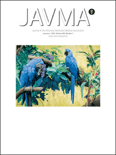
JAVMA-JOURNAL OF THE AMERICAN VETERINARY MEDICAL ASSOCIATION
Driving excellence in veterinary research and education.JAVMA - Journal of the American Veterinary Medical Association, a leading publication in the field of veterinary medicine, has been a cornerstone of veterinary research and practice since its inception in 1945. Published by the American Veterinary Medical Association, this esteemed journal provides a vital platform for disseminating innovative studies, clinical findings, and advancements that enhance the welfare of animals and the practice of veterinary medicine. With an impressive impact factor reflecting its scholarly influence and a position in the top quartile (Q2) among veterinary journals, JAVMA is recognized for its rigorous peer-review process and high-quality content. Although the journal does not offer Open Access, it remains accessible through a variety of academic libraries and institutions, making it a crucial resource for researchers, veterinarians, and students dedicated to advancing the field. With a Scopus rank of #92 out of 194 in the general veterinary category, JAVMA is committed to fostering knowledge and discussions that shape the future of veterinary science.
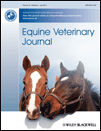
EQUINE VETERINARY JOURNAL
Advancing equine health through innovative research.EQUINE VETERINARY JOURNAL, published by Wiley, stands as a leading publication in the field of veterinary science, specifically focusing on the welfare and health of equines. Established in 1968, this esteemed journal has garnered a reputation for excellence, reflected in its impressive impact factor and its categorization as a Q1 journal in Equine studies and Q2 in Medicine (miscellaneous) for 2022. As a vital resource for researchers, practitioners, and students alike, the EQUINE VETERINARY JOURNAL presents innovative research, clinical studies, and reviews that push the boundaries of equine veterinary practice. With its rigorous peer-review process and commitment to advancing knowledge, this journal is an indispensable tool for anyone involved in equine health and welfare. It is available in both print and online formats, ensuring accessibility for a global readership.
IRISH VETERINARY JOURNAL
Unlocking the potential of veterinary research for all.IRISH VETERINARY JOURNAL is a premier open-access publication in the field of veterinary science, established to disseminate high-quality research and innovations that advance the veterinary profession and animal health. Published by BMC since 2004, this journal not only ensures worldwide access to cutting-edge findings but also maintains an impressive ranking as Q1 in the Veterinary (miscellaneous) category according to the 2023 metrics, highlighting its significance and influence. With an impressive Scopus rank of #19/194 and a 90th percentile placement, it provides a robust platform for researchers, professionals, and students alike to engage with the latest studies, reviews, and case reports. The journal's coverage spans from its inception in 1973 to the present, catering to a diverse audience interested in various aspects of veterinary science, ensuring that it remains an essential resource for those passionate about the welfare of animals and the advancement of veterinary practices.
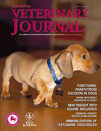
AUSTRALIAN VETERINARY JOURNAL
Elevating animal health through innovative insights.AUSTRALIAN VETERINARY JOURNAL, published by Wiley, is a leading journal dedicated to advancing the field of veterinary science. With a rich history dating back to 1925, this journal has become a vital resource for researchers, professionals, and students interested in veterinary medicine and its diverse applications. As evidenced by its impressive Scopus ranking, placing it in the 67th percentile among General Veterinary publications, and categorized within Q3 of the Medicine (miscellaneous) and Q2 of the Veterinary (miscellaneous) quartiles for 2023, AUSTRALIAN VETERINARY JOURNAL is recognized for its commitment to quality research and impactful contributions. Although not an open access journal, it continues to be an essential platform for disseminating vital findings and innovations within the veterinary community, fostering collaboration and advancement in animal health and welfare.

Journal of Veterinary Research
Illuminating the path to veterinary excellence.The Journal of Veterinary Research, published by SCIENDO, is a leading open-access journal dedicated to advancing the field of veterinary science. Established in Poland and accessible globally since 2012, this journal serves as a pivotal platform for researchers, professionals, and students, promoting the dissemination of high-quality research and innovative findings in veterinary medicine. With a robust impact factor reflective of its Q2 ranking in the Veterinary (miscellaneous) category for 2023, it ranks 54th out of 194 in the general veterinary field, placing it in the 72nd percentile among its peers. The Journal of Veterinary Research explores a wide variety of topics pertinent to veterinary practice, animal health, and research methodologies, making it an essential resource for academics and practitioners alike. Authors benefit from the journal's open-access model, which ensures their research is freely available to a broader audience, thus fostering collaboration and innovation within the veterinary community.
PREVENTIVE VETERINARY MEDICINE
Connecting researchers and practitioners for optimal animal health outcomes.PREVENTIVE VETERINARY MEDICINE, published by Elsevier, is a premier academic journal dedicated to advancing the field of veterinary science, with a particular focus on the prevention of diseases in food animals. With an impressive impact factor that reflects its stature in the academic community, this journal is categorized in the Q1 quartile across both Animal Science and Zoology and Food Animals categories, underscoring its significance in agricultural and biological sciences. Established in 1982, the journal is known for its rigorous peer-reviewed articles and research insights that contribute significantly to veterinary epidemiology, herd health management, and disease prevention strategies, fostering a closer connection between veterinary practitioners and researchers. By offering a platform for high-quality research that enhances animal health and productivity, PREVENTIVE VETERINARY MEDICINE serves as an essential resource for researchers, veterinarians, and students aiming to stay at the forefront of veterinary innovations and practices.