
Cell Communication and Signaling
metrics 2024
Exploring the Nuances of Molecular Signaling
Introduction
Cell Communication and Signaling is a premier peer-reviewed journal published by BMC that has made significant contributions to the fields of biochemistry, cell biology, and molecular biology since its establishment in 2003. As an open access journal, it offers unrestricted access to high-quality research, fostering collaboration and innovation among scientists around the globe. The journal is distinguished by its Q1 ranking in all three relevant categories for 2023, underscoring its critical role in advancing the understanding of cellular communication mechanisms and signaling pathways. Positioned within the United Kingdom, Cell Communication and Signaling has been an invaluable resource for researchers, professionals, and students alike, ensuring that the latest findings are accessible to a diverse range of audiences. With an impressive Scopus ranking—placing it in the top percentiles within its subject areas—this journal continues to set the standard for excellence in the pursuit of understanding complex cellular interactions.
Metrics 2024
 -8.208.00-
Metrics History
Rank 2024
IF (Web Of Science)
JCI (Web Of Science)
Quartile History
Similar Journals
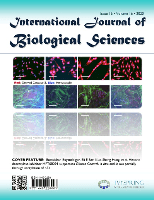
International Journal of Biological Sciences
Exploring the Depths of Biological KnowledgeInternational Journal of Biological Sciences (ISSN: 1449-2288, E-ISSN: 1449-2288) is a premier open-access journal published by IVYSPRING INTERNATIONAL PUBLISHING since 2005, located in Australia. With a commitment to advancing knowledge in the life sciences, this journal covers a wide spectrum of disciplines, including Applied Microbiology and Biotechnology, Cell Biology, Developmental Biology, Ecology, Evolution, Behavior and Systematics, and Molecular Biology, earning a distinguished Q1 ranking in these fields as of 2023. It stands out with exceptional Scopus rankings, placing in the top ranks across multiple categories, such as the 98th percentile in Ecology, Evolution, Behavior and Systematics and the 94th percentile in Applied Microbiology and Biotechnology. The journal fosters an open access philosophy, ensuring that research findings are readily available to the scientific community and the public, and invites original research articles, reviews, and commentaries. With its mission to disseminate high-quality research, the International Journal of Biological Sciences serves as an essential resource for researchers, professionals, and students seeking to deepen their understanding and drive innovation in biological sciences.
CELLULAR & MOLECULAR BIOLOGY LETTERS
Transforming Knowledge in Biochemistry and Cell BiologyCELLULAR & MOLECULAR BIOLOGY LETTERS, published by BMC, is a premier open-access journal dedicated to disseminating high-quality research in the fields of Biochemistry, Cell Biology, and Molecular Biology. Established in 1996, the journal has emerged as a leader in its domain, boasting an impressive Q1 ranking across three critical categories as of 2023, reflecting its significant impact within the scientific community. With an ISSN of 1425-8153 and an E-ISSN of 1689-1392, it offers accessible research findings to a global audience, having been open access since 2013. Situated in the United Kingdom, at CAMPUS, 4 CRINAN ST, LONDON N1 9XW, the journal continues to serve as a vital resource for researchers, professionals, and students, contributing to advancements in the understanding of cellular and molecular processes. By providing a platform for original research, reviews, and short communications, CELLULAR & MOLECULAR BIOLOGY LETTERS plays a crucial role in fostering dialogue and collaboration within the scientific community.
Journal of Cell Communication and Signaling
Exploring the Intricacies of Molecular SignalingThe Journal of Cell Communication and Signaling is a prestigious academic journal published by Springer, focused on advancing the understanding of cellular communication mechanisms and signaling pathways. Since its inception in 2007, this journal has established itself as a leading platform in the field, with a strong impact reflected in its 2023 categorizations: Q1 in Biochemistry, Q2 in Cell Biology, and Q2 in Molecular Biology. Researchers from around the globe rely on its rigorous peer-reviewed articles to gain insights into the complex molecular dialogue that underpins various biological processes. With an ISSN of 1873-9601 and E-ISSN of 1873-961X, the journal is committed to disseminating high-quality research that informs both academic studies and practical applications in biotechnology and medicine. Although not an open access publication, it provides essential resources tailored for professionals, students, and researchers, enhancing their knowledge of critical signaling pathways that drive health and disease. The journal is located in the Netherlands, at VAN GODEWIJCKSTRAAT 30, DORDRECHT, and stands out in the field, boasting impressive ranks among its peers in the Scopus database.
CELLULAR SIGNALLING
Exploring the Intricacies of Cell BiologyCELLULAR SIGNALLING, published by Elsevier Science Inc, is a premier journal within the realm of Cell Biology, boasting an impressive Q2 category ranking as of 2023. With an ISSN of 0898-6568 and an E-ISSN of 1873-3913, the journal has established itself as a critical platform for advancing the understanding of cellular mechanisms and signal transduction pathways since its inception in 1989. Covering a vast array of topics in Biochemistry, Genetics, and Molecular Biology, it ranks notably at 87 out of 285 in the Scopus list, placing it in the 69th percentile among its peers. The journal serves as an invaluable resource for researchers, professionals, and students seeking high-quality, impactful studies that drive forward the field of cellular biology. While it operates under traditional subscription access, its highlights include rigorous peer-reviewed articles, reviews, and insights that continue to shape current scientific discourse.
JOURNAL OF RECEPTORS AND SIGNAL TRANSDUCTION
Connecting Science through Receptor and Signaling StudiesJOURNAL OF RECEPTORS AND SIGNAL TRANSDUCTION, published by TAYLOR & FRANCIS LTD, is a premier academic journal dedicated to advancing our understanding of receptor biology and signal transduction mechanisms. With an ISSN of 1079-9893 and an E-ISSN of 1532-4281, this journal has maintained a reputable standing since its inception in 1980, continually addressing pivotal topics in biochemistry, cell biology, and molecular biology. As evidenced by its 2023 Scopus rankings, which place it in the 64th percentile for Biochemistry and Genetics and Molecular Biology, JOURNAL OF RECEPTORS AND SIGNAL TRANSDUCTION remains a vital source for cutting-edge research, providing insights that are essential for both academic and practical applications. Although the journal currently offers limited open access options, it stands out in the Q2 and Q3 quartiles of its respective categories, making it an invaluable resource for researchers, professionals, and students aiming to stay abreast of the latest findings and methodologies in receptor and signaling research. The journal's commitment to disseminating high-quality research underscores its significance within the scientific community, fostering innovation and collaboration across disciplines.
JOURNAL OF CELLULAR BIOCHEMISTRY
Delivering Impactful Findings in Biochemistry and Cell BiologyJournal of Cellular Biochemistry is a premier academic journal dedicated to advancing the field of biochemistry and cellular biology. Published by Wiley, this influential journal has a significant impact factor that underscores its relevance and authority within the scientific community. With its ISSN 0730-2312 and E-ISSN 1097-4644, the journal has been on the frontier of research since its inception in 1982, and is expected to continue publishing cutting-edge studies through 2024. As evidenced by its ranking in the 2023 Scopus Quartiles, it holds a rank of Q2 in Biochemistry and Q3 in both Cell and Molecular Biology, placing it among the top tiers of scientific journals in these disciplines. The Journal of Cellular Biochemistry serves as a vital resource for researchers, professionals, and students alike, providing a platform for the dissemination of innovative ideas and findings that shape our understanding of cellular processes and biochemical pathways. Though it does not currently offer Open Access options, its robust peer-review process ensures that each publication meets the highest academic standards, thus solidifying its esteemed position in the landscape of biochemical research.
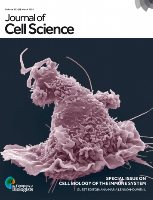
JOURNAL OF CELL SCIENCE
Illuminating the complexities of cellular processes.JOURNAL OF CELL SCIENCE, with ISSN 0021-9533 and E-ISSN 1477-9137, is a distinguished publication in the field of Cell Biology, released by COMPANY BIOLOGISTS LTD in the United Kingdom. Since its inception in 1966, this journal has served as a vital platform for disseminating cutting-edge research and reviews that significantly advance our understanding of cellular processes and innovations. Currently positioned in the Q1 category within the 2023 rankings, this journal is recognized for its high impact and quality, holding a notable Scopus rank of 120 out of 285 in the Cell Biology category, placing it within the 58th percentile. While not an open-access journal, it provides extensive access options for readers and institutions, ensuring that pivotal research is accessible to a wide audience. With converged publication years leading toward 2024, JOURNAL OF CELL SCIENCE continues to be an essential resource for researchers, professionals, and students alike, fostering a deeper understanding of the intricate workings of cell biology.
MOLECULAR AND CELLULAR BIOLOGY
Championing High-Impact Research in Cellular DynamicsMOLECULAR AND CELLULAR BIOLOGY, published by TAYLOR & FRANCIS INC, stands as a preeminent platform for researchers, professionals, and students engaged in the dynamic field of molecular and cellular biology. Established in 1981 and ongoing into 2024, the journal features cutting-edge research that spans across vital sub-disciplines, garnering a strong impact in its contributions to the scientific community. With an impressive Q2 ranking in Cell Biology and Q1 ranking in Molecular Biology for 2023, it consistently publishes high-quality articles that reflect the latest advancements and discoveries within the field. The journal is particularly well-regarded for its rigorous peer-review process and commitment to scientific excellence, making it an invaluable resource for those seeking to deepen their understanding of molecular mechanisms and cellular processes. Although not open access, the journal offers diverse access options for researchers to reach the latest findings. By maintaining a strong focus on biochemistry, genetics, and molecular biology, MOLECULAR AND CELLULAR BIOLOGY remains essential reading for anyone looking to contribute to or stay informed about significant developments within this pivotal area of study.
SEMINARS IN CELL & DEVELOPMENTAL BIOLOGY
Pioneering Research for a Deeper Biological InsightSEMINARS IN CELL & DEVELOPMENTAL BIOLOGY is a premier journal published by Academic Press Ltd - Elsevier Science Ltd, focusing on the vital domains of cell and developmental biology. With an impact factor that reflects its rigorous contributions to the field, this journal embodies the highest standards of academic excellence, currently ranking in the Q1 quartile for both Cell Biology and Developmental Biology categories as of 2023. Researchers and practitioners will appreciate its robust Scopus ranking, placing it within the top tiers of developmental biology and cell biology, with percentile ranks of 94th and 90th respectively, showcasing the journal's influential presence in the scientific community. The journal aims to disseminate comprehensive reviews, cutting-edge research articles, and significant advances in the understanding of cellular mechanisms and developmental processes, thereby catering to a diverse audience that includes researchers, scholars, and students dedicated to the life sciences. Given its commitment to open access, SEMINARS IN CELL & DEVELOPMENTAL BIOLOGY promotes widespread dissemination of knowledge, enhancing collaborative research efforts and driving innovation across biological disciplines.
MOLECULAR AND CELLULAR BIOCHEMISTRY
Connecting Molecular Insights to Clinical ApplicationsMOLECULAR AND CELLULAR BIOCHEMISTRY, an esteemed journal published by SPRINGER, serves as a prominent platform in the fields of biochemistry and molecular biology. With a history of dissemination since 1973, this journal has made significant contributions to the understanding of biochemical processes at the molecular level. The MOLECULAR AND CELLULAR BIOCHEMISTRY journal focuses on a myriad of topics including but not limited to cellular biochemistry, clinical biochemistry, and interdisciplinary approaches in medicine, boasting a commendable categorization in the 2023 Scopus ranks where it falls under Q3 in Cell Biology, Q2 in Clinical Biochemistry, Q1 in Medicine (miscellaneous), and Q2 in Molecular Biology. Although the journal is not open access, it provides access options through institutional subscriptions, making valuable research accessible to a wider audience. With its rigorous peer-review process and high impact within the scientific community, this journal aims to advance knowledge and stimulate exploration in biochemical research, making it essential reading for researchers, professionals, and students alike.