
Cell Regeneration
metrics 2024
Connecting Researchers to Transform Cellular Understanding
Introduction
Cell Regeneration, published by SPRINGERNATURE, stands at the forefront of biological research, focusing on the dynamic field of cellular development and regenerative biology. Since its establishment in 2012, this journal has embraced an Open Access model, facilitating widespread dissemination of key findings and fostering collaboration among researchers in the Netherlands and beyond. With an impact factor underscoring its significance, Cell Regeneration is positioned in the Q2 category in both Cell Biology and Developmental Biology as of 2023, ranked #32 out of 82 and #170 out of 285 in relevant Scopus peer fields. The journal encompasses a broad spectrum of research that advances our understanding of cellular processes, offering vital insights into regenerative mechanisms and their applications in therapies. This robust platform not only serves as a valuable resource for researchers, professionals, and students but also encourages scholarly dialogue and innovation in the fast-evolving landscape of cell biology.
Metrics 2024
 -4.00--
Metrics History
Rank 2024
IF (Web Of Science)
JCI (Web Of Science)
Quartile History
Similar Journals
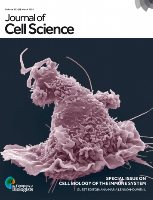
JOURNAL OF CELL SCIENCE
Innovating insights into the world of cells.JOURNAL OF CELL SCIENCE, with ISSN 0021-9533 and E-ISSN 1477-9137, is a distinguished publication in the field of Cell Biology, released by COMPANY BIOLOGISTS LTD in the United Kingdom. Since its inception in 1966, this journal has served as a vital platform for disseminating cutting-edge research and reviews that significantly advance our understanding of cellular processes and innovations. Currently positioned in the Q1 category within the 2023 rankings, this journal is recognized for its high impact and quality, holding a notable Scopus rank of 120 out of 285 in the Cell Biology category, placing it within the 58th percentile. While not an open-access journal, it provides extensive access options for readers and institutions, ensuring that pivotal research is accessible to a wide audience. With converged publication years leading toward 2024, JOURNAL OF CELL SCIENCE continues to be an essential resource for researchers, professionals, and students alike, fostering a deeper understanding of the intricate workings of cell biology.

CELL AND TISSUE RESEARCH
Championing Quality Research in Histology and Cell DynamicsCELL AND TISSUE RESEARCH, published by Springer, is a premier journal dedicated to advancing the field of cell biology, histology, pathology, and forensic medicine. With a proud history dating back to its foundation in 1924 and continuing its legacy, this journal has established itself as a vital source for innovative research, facilitating the dissemination of significant findings that contribute to the understanding of cellular and tissue dynamics. Hailing from Germany, the journal exhibits an impressive standing in the academic community with a 2023 impact factor reflected in its category quartiles: Q2 in Cell Biology, Q1 in Histology, and Q1 in Pathology and Forensic Medicine. It ranks notably within multiple Scopus categories, including 32/208 in Pathology and Forensic Medicine and 13/62 in Histology, showcasing its high percentile rankings of 84th and 79th, respectively. Researchers, professionals, and students benefit from its extensive coverage and rigorous peer-review process that ensures the integrity and relevance of its published works, thus making it an essential resource in the scientific community. While it operates under a subscription model, its commitment to quality and impact makes it an indispensable journal for anyone engaged in cellular and tissue research.

Frontiers in Cell and Developmental Biology
Advancing the frontiers of cellular knowledge.Frontiers in Cell and Developmental Biology is a leading open-access journal published by FRONTIERS MEDIA SA, dedicated to advancing the understanding of fundamental biological processes at the cellular and developmental levels. Since its inception in 2013, the journal has positioned itself as a cornerstone of research in its field, achieving esteemed Q1 quartile rankings in both Cell Biology and Developmental Biology for 2023. With a robust Scopus ranking of #13 out of 82 in Developmental Biology and #67 out of 285 in Cell Biology, it represents a vital platform for innovative research and scholarly discourse. The journal provides a comprehensive and accessible avenue for researchers, professionals, and students alike to share high-quality findings and insights into cellular mechanisms and developmental processes, fostering collaboration and knowledge exchange in the global scientific community. Based in Lausanne, Switzerland, Frontiers in Cell and Developmental Biology is committed to open science, ensuring that all articles are freely accessible to the public, thereby broadening the impact of research in the biological sciences.
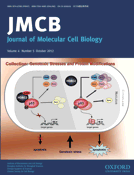
Journal of Molecular Cell Biology
Empowering researchers with open access knowledge.The Journal of Molecular Cell Biology, published by Oxford University Press, is a leading platform for groundbreaking research in the fields of cell biology, genetics, and molecular biology. With an impact factor that places it in the Q1 and Q2 quartiles across key academic categories, this journal has become an essential resource for researchers and professionals committed to advancing our understanding of cellular mechanisms and genetic processes. Since becoming Open Access in 2019, it has enhanced the accessibility of high-quality research, fostering collaboration and knowledge sharing within the scientific community. The journal's Scopus rankings reflect its significant impact in the field, particularly in genetics and molecular biology, ranking within the top percentiles. With a convergence of research spanning from 2009 to 2024, the Journal of Molecular Cell Biology remains at the forefront of innovative discoveries and critical discussions, making it a vital resource for students, academics, and industry experts alike.

Cell Journal
Advancing the Frontiers of Cell ScienceCell Journal is a leading interdisciplinary publication in the fields of Cell Biology, Developmental Biology, Molecular Biology, and Reproductive Medicine, published by ROYAN INST since its inception as an open-access journal in 2007. With an ISSN of 2228-5806 for print and 2228-5814 for electronic editions, it provides a vital platform for researchers and professionals to disseminate innovative findings and insights that shape our understanding of cellular processes and reproductive sciences. The journal boasts an impressive Scopus ranking, achieving a Q3 position in both Molecular Biology and Reproductive Medicine, highlighting its significance in the academic community. Situated in Tehran, Iran, Cell Journal encourages global collaboration through its accessible content, making cutting-edge research available to a diverse audience. As it converges from 2011 to 2024, the journal continues to emphasize the importance of thorough scientific inquiry, fostering advancements that drive both theoretical frameworks and practical applications in cell science.
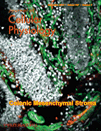
JOURNAL OF CELLULAR PHYSIOLOGY
Pioneering Insights into Cellular DynamicsJOURNAL OF CELLULAR PHYSIOLOGY, published by Wiley, is a leading peer-reviewed journal that has been at the forefront of cellular research since its inception in 1945. With its prestigious Q1 and Q2 rankings in the fields of Clinical Biochemistry and Cell Biology, this journal is highly regarded within the scientific community, reflecting its significant impact factor and rigorous peer-review process. Addressing the intricacies of cell function and physiology, it serves as a crucial resource for researchers, professionals, and students dedicated to advancing knowledge in the life sciences. The journal publishes cutting-edge research articles, integral reviews, and significant findings that bridge basic biology and clinical applications, ensuring access to high-quality scholarly content that informs current practices and future research directions. Although not open access, the journal maintains a rich archive of studies, making it an essential reference point for those invested in the health and biological sciences.
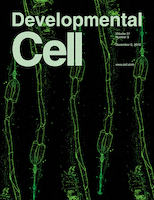
DEVELOPMENTAL CELL
Transforming Insights into Cellular ProcessesDEVELOPMENTAL CELL, published by CELL PRESS, stands as a premier journal in the fields of Biochemistry, Genetics and Molecular Biology, Cell Biology, and Developmental Biology. With a significant influence evidenced by its Q1 rankings across several categories in 2023 and a remarkable Scopus ranking placing it at the 98th percentile for Developmental Biology, this journal is pivotal for researchers and academics aiming to advance their understanding of cellular processes. Covering a broad range of topics from molecular mechanisms to cellular developmental pathways, DEVELOPMENTAL CELL publishes cutting-edge research articles that contribute to the dynamic landscape of cell biology and related disciplines. Although it does not currently offer open access, the journal is accessible through institutional subscriptions, reinforcing its commitment to disseminating high-quality scientific knowledge produced by leading experts in the field. Based in the United States, DEVELOPMENTAL CELL continues to push the boundaries of discovery and innovation in life sciences, making it an essential resource for professionals, researchers, and students alike in the quest for foundational biological insights.

Cells & Development
Fostering High-Impact Research in Developmental BiologyCells & Development is a premier journal published by Elsevier, dedicated to advancing the field of Developmental Biology. With an ISSN of 2667-2901 and an impressive Q2 ranking in its category for 2023, the journal endeavors to provide a platform for high-quality research articles that explore cellular mechanisms, developmental processes, and molecular interactions that underpin growth and differentiation. Based in the Netherlands, Cells & Development not only emphasizes the importance of innovative experimental approaches but also encourages interdisciplinary contributions that bridge the gap between basic and applied science. As an Open Access publication, it ensures that research findings are readily accessible to a global audience, significantly enhancing visibility and impact. The journal's commitment to scholarly excellence makes it an essential resource for researchers, professionals, and students aiming to contribute to the dynamic field of developmental biology.

INTERNATIONAL JOURNAL OF EXPERIMENTAL PATHOLOGY
Driving Progress Through Peer-Reviewed ResearchINTERNATIONAL JOURNAL OF EXPERIMENTAL PATHOLOGY, published by Wiley, is a leading peer-reviewed journal dedicated to the field of experimental pathology. With an ISSN of 0959-9673 and E-ISSN 1365-2613, the journal has been a vital resource for researchers and professionals since its inception in 1990, covering a broad spectrum of topics within pathology, cell biology, and molecular biology. The journal's relevancy is underscored by its Q2 ranking in Pathology and Forensic Medicine and Q3 rankings in both Cell Biology and Molecular Biology, as of 2023, reflecting its significant contribution to the scientific community. Although it does not currently offer open access options, readers can benefit from its insightful research articles and reviews that guide advancements in diagnostic pathology and therapeutic strategies. As the journal continues to evolve, it remains committed to facilitating the exchange of innovative ideas and findings that drive progress in experimental pathology and related fields, making it an indispensable platform for scientists, clinicians, and students alike.
Regenerative Engineering and Translational Medicine
Connecting Academia and Industry for Medical BreakthroughsRegenerative Engineering and Translational Medicine is an esteemed academic journal published by Springer Heidelberg, focusing on the interdisciplinary fields of biomaterials, biomedical engineering, and cell biology. With an ISSN of 2364-4133 and an E-ISSN of 2364-4141, the journal has carved a niche for itself since its inception in 2015, showcasing cutting-edge research that bridges the gap between scientific findings and practical applications in regenerative medicine. As a recognized platform in its field, it is currently positioned within Q3 quartiles in biomaterials, biomedical engineering, and medicine (miscellaneous), with a Scopus ranking that reflects its growing influence among peers. The journal aims to disseminate high-quality, peer-reviewed articles that highlight advancements in regenerative engineering, further advancing both theoretical and applied research. Scholars and practitioners seeking to stay at the forefront of the ever-evolving landscape of regenerative health solutions will find invaluable insights and innovations within these pages. Join a community of leading thinkers and explore the journal's comprehensive research contributions, which are crucial for fostering partnerships between academia and industry in the quest for transformative medical solutions.