COMMENTS ON INORGANIC CHEMISTRY
metrics 2024
Unveiling Innovations in Inorganic Research
Introduction
COMMENTS ON INORGANIC CHEMISTRY is a prestigious academic journal published by Taylor & Francis Ltd, specializing in the dynamic field of inorganic chemistry. With an impressive impact factor placing it in the Q1 category, this journal ranks #6 out of 79 in its field, reflecting its high influence and contribution to the discipline, with a remarkable percentile ranking of 93rd. Since its inception in 1981 and spanning publications until 2024, this journal serves as a crucial platform for researchers, professionals, and students to disseminate groundbreaking findings, review articles, and discussions on contemporary topics in inorganic chemistry. Although it is not an Open Access journal, the rigorous peer-review process ensures the publication of high-quality research. By bridging theoretical and practical aspects of inorganic chemistry, COMMENTS ON INORGANIC CHEMISTRY remains an essential resource for advancing knowledge and fostering innovation within the scientific community.
Metrics 2024
 0.843.804.0046
Metrics History
Rank 2024
Scopus
IF (Web Of Science)
JCI (Web Of Science)
Quartile History
Similar Journals
New Materials Compounds and Applications
Transforming Ideas into Applications in ChemistryNew Materials Compounds and Applications is a pioneering journal published by JOMARD PUBLISHING, focusing on the latest advancements in materials science, particularly in the realms of analytical, inorganic, and organic chemistry. Since its inception in 2019, this journal has quickly established itself as a valuable resource for researchers and professionals seeking to explore innovative compounds and their applications across various fields. With an ISSN of 2521-7194 and an E-ISSN of 2523-4773, New Materials Compounds and Applications is indexed in Scopus, demonstrating its scholarly impact, albeit currently positioned in the Q3 and Q4 quartiles for several chemistry categories. The journal serves as a platform for disseminating research findings and fostering collaboration among scientists in Azerbaijan and beyond. Although it operates under a traditional access model, the journal aims to bridge the gap between theoretical studies and practical applications, making it essential reading for students and professionals looking to stay updated in the dynamic landscape of materials chemistry.
ChemistrySelect
Advancing the Frontiers of Chemical ResearchWelcome to ChemistrySelect, a pivotal journal in the field of chemistry published by WILEY-V C H VERLAG GMBH. With its ISSN 2365-6549, this journal aims to provide a comprehensive platform for researchers and practitioners to share significant advancements in various areas of chemistry, contributing to the ongoing dialogue and development within the scientific community. Since its inception in 2016, ChemistrySelect has focused on publishing high-quality research that spans multiple facets of the discipline, earning its place in the Q3 category for Chemistry (miscellaneous) as of 2023. While operating under a subscription model, the journal remains committed to broadening accessibility and engaging a wide audience of researchers, professionals, and students. The journal's objective is to facilitate the dissemination of groundbreaking findings through rigorous peer review, ensuring that the latest studies reflect the evolving nature of chemistry research. As we approach 2024, ChemistrySelect continues to be an invaluable resource for the academic community, positioning itself as a trusted voice in the world of chemical research.
DALTON TRANSACTIONS
Exploring the Depths of Inorganic ChemistryDALTON TRANSACTIONS, published by the esteemed Royal Society of Chemistry, is a premier journal in the field of Inorganic Chemistry, recognized for its significant contributions to advancing research and scholarship since its inception in 2002. With an impressive Impact Factor and ranked in the Q1 category, it holds a notable position at Rank #21 out of 79 within its Scopus category, highlighting its reputation for excellence and influence in the scientific community. This journal provides a platform for disseminating high-quality research, reviews, and communications related to all aspects of inorganic chemistry, fostering collaboration and innovation among researchers, professionals, and students alike. Although it does not offer open access, its robust selection process and commitment to scholarly integrity ensure that published works are of the highest standard. For those passionate about inorganic chemistry, DALTON TRANSACTIONS serves as an essential resource, fostering a deeper understanding of the field and its applications.
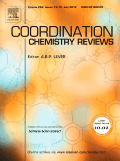
COORDINATION CHEMISTRY REVIEWS
Charting New Territories in Coordination ChemistryCOORDINATION CHEMISTRY REVIEWS is a premier academic journal published by ELSEVIER SCIENCE SA, specializing in the interdisciplinary field of coordination chemistry. Established in 1966 and running until 2025, the journal boasts an impressive reputation, having achieved Q1 quartile rankings in categories such as Inorganic Chemistry, Materials Chemistry, and Physical and Theoretical Chemistry. It holds a remarkable position in Scopus rankings, being ranked #1 in both Physical and Theoretical Chemistry and Inorganic Chemistry, indicating its significance within the field. With a focus on comprehensive reviews that synthesize existing knowledge and propose future research directions, COORDINATION CHEMISTRY REVIEWS serves as an invaluable resource for researchers, professionals, and students eager to stay at the forefront of coordination chemistry advancements. Although not open access, the journal is accessible through various academic institutions and libraries, ensuring that cutting-edge research is available to those who seek it.
JOURNAL OF STRUCTURAL CHEMISTRY
Bridging Innovation and Tradition in Structural ChemistryThe JOURNAL OF STRUCTURAL CHEMISTRY, published by PLEIADES PUBLISHING INC, is a premier resource in the fields of Inorganic Chemistry, Materials Chemistry, and Physical and Theoretical Chemistry. Established in 1960, this journal has been providing a platform for groundbreaking research, facilitating the advancement of knowledge and innovation up to the year 2024. With an ISSN of 0022-4766 and an E-ISSN of 1573-8779, this journal strives to maintain high academic standards, as evidenced by its quartile rankings in 2023, where it ranks Q4 across various chemistry categories. While it currently does not offer open access, the journal's insightful articles are crucial for professionals and students seeking to enhance their understanding and expertise in structural chemistry. Subscribers can expect a comprehensive collection of peer-reviewed research, empirical findings, and theoretical discussions that contribute significantly to the scientific community. With its strong historical foundation and ongoing commitment to quality, the JOURNAL OF STRUCTURAL CHEMISTRY continues to be an essential resource for those passionate about the complexities of structural chemistry.
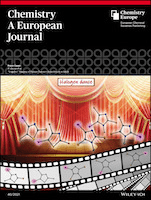
CHEMISTRY-A EUROPEAN JOURNAL
Unveiling Breakthroughs in Chemistry Since 1995CHEMISTRY-A EUROPEAN JOURNAL is a premier academic journal published by WILEY-V C H VERLAG GMBH, specializing in the diverse fields of chemistry and catalysis, with a distinguished focus on organic chemistry. Since its inception in 1995, the journal has established itself as an authoritative resource for researchers and professionals, currently classified in Q1 in Chemistry (miscellaneous) and Organic Chemistry, reflecting its high-quality contributions to the scientific community. With an impressive impact factor and robust Scopus rankings—#33 in Organic Chemistry and #26 in Catalysis—this journal serves as a vital platform for disseminating innovative research findings and critical advancements in chemical sciences. Although not an open-access journal, it provides valuable access options for institutions, ensuring wide reach and engagement within the scientific community. As it converges into 2024, CHEMISTRY-A EUROPEAN JOURNAL remains a key resource for anyone dedicated to advancing the frontiers of chemistry research.

ACS Macro Letters
Unleashing the Potential of Polymers and PlasticsACS Macro Letters, published by the American Chemical Society, is a leading journal in the fields of Inorganic Chemistry, Materials Chemistry, Organic Chemistry, and Polymers and Plastics. Established in 2012, this journal has swiftly ascended to the forefront of chemical research with an impressive reputation, as evidenced by its 2023 Scopus rankings placing it in the first quartile across multiple categories. The journal's objective is to disseminate timely and concise articles that advance the study of macromolecules and their applications, making it an essential resource for researchers, professionals, and students alike. With a focus on fostering innovation and facilitating collaboration within the chemical community, ACS Macro Letters presents a robust platform for scientists to share their groundbreaking findings. Being based in the United States, it serves as a central hub for global discourse in the chemical sciences, although it does not currently offer Open Access options. The journal's commitment to high-quality content is further underscored by its prestigious impact factor and acceptance into elite academic quartiles, signifying its influence and importance in shaping future research.
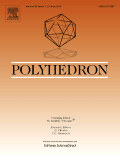
POLYHEDRON
Illuminating the Path of Polyhedral Chemistry.POLYHEDRON is a prestigious academic journal published by Pergamon-Elsevier Science Ltd, specializing in the fields of Inorganic Chemistry, Materials Chemistry, and Physical and Theoretical Chemistry. With its ISSN 0277-5387 and E-ISSN 1873-3719, the journal has been a significant outlet for groundbreaking research since its inception in 1982 and continues to be influential for scholars and practitioners. As of 2023, it holds a Q3 quartile ranking across its categorization, underscoring its impact within the scientific community with respectable Scopus Rankings that place it in the top percentiles of relevant fields. Situated in the United Kingdom, POLYHEDRON aims to foster the exchange of innovative ideas and findings related to polyhedral molecules and structures, making it an essential resource for researchers seeking to expand their knowledge and contribute to these dynamic areas of study. While currently not an Open Access journal, it remains committed to advancing education and research by providing quality content that serves both academic and practical applications.
Organics
Transforming Organic Chemistry Through Open AccessOrganics is a peer-reviewed journal dedicated to the advancement of research in the field of organic chemistry, published by MDPI, a renowned leader in open access publication. Since its inception in 2020, the journal has embraced an open access model, ensuring that cutting-edge research is freely available to researchers, professionals, and students worldwide. With a current impact factor reflecting its relevance in the community, Organics aims to provide a platform for high-quality research, reviews, and insights that foster innovation and collaboration in the organic chemistry domain. The journal's scope encompasses a broad range of topics within organic chemistry, making it an essential resource for those involved in various research endeavors. As it converges from 2020 to 2024, Organics is set to build on its solid foundation and enhance its scholarly contributions by attracting significant research contributions that align with the latest scientific developments. Based in Basel, Switzerland, the journal's commitment to quality and accessibility resonates strongly with today's research landscape, making it a pivotal asset for anyone invested in the future of organic chemistry.
Inorganic and Nano-Metal Chemistry
Exploring the Frontiers of Inorganic and Nano-Metal Innovations.Inorganic and Nano-Metal Chemistry is a premier journal published by Taylor & Francis Inc, focusing on innovative research and advancements in the fields of inorganic chemistry and nano-metal applications. With an increasing impact in the academic community, this journal has established itself within the Q3 category of both Inorganic Chemistry and Physical and Theoretical Chemistry as of 2023, reflecting its global recognition and influence. The journal is accessible as an Open Access publication, ensuring that research findings are freely available to a broad audience, promoting transparency and collaboration in scientific exploration. Based in the United Kingdom, Inorganic and Nano-Metal Chemistry aims to disseminate high-quality peer-reviewed articles that not only highlight fundamental studies but also push the boundaries of technological applications in areas such as catalysis, materials science, and nanotechnology. Researchers, professionals, and students will find this journal an invaluable resource for the latest developments and interdisciplinary insights in the ever-evolving landscape of inorganic and nano-metal chemistry.