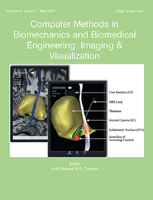
Computer Methods in Biomechanics and Biomedical Engineering-Imaging and Visualization
metrics 2024
Transforming Healthcare Through Cutting-Edge Visualization Methods
Introduction
Computer Methods in Biomechanics and Biomedical Engineering - Imaging and Visualization is a prominent academic journal published by Taylor & Francis Ltd, dedicated to the intersection of computational methods and biomedical engineering. With an ISSN of 2168-1163 and an E-ISSN of 2168-1171, the journal has become a crucial resource for researchers and professionals exploring innovative imaging and visualization techniques in healthcare. Covering a broad spectrum of topics, it aims to facilitate the advancement of knowledge in areas such as biomechanics, computational mechanics, and medical imaging. Holding a strong position in various Scopus rankings, including Q2 in Computational Mechanics, it offers valuable insights that foster interdisciplinary collaboration. Although it is not an open-access journal, researchers can access its rich repository of knowledge, which is instrumental in shaping future advancements in biomedical applications. The journal’s commitment to quality and relevance ensures that it remains an authoritative source for emerging trends and methodologies within the field, serving as a vital tool for academia and industry practitioners alike.
Metrics 2024
 0.491.301.5025
Metrics History
Rank 2024
Scopus
IF (Web Of Science)
JCI (Web Of Science)
Quartile History
Similar Journals

IEEE Open Journal of Engineering in Medicine and Biology
Fostering collaboration for a healthier future.IEEE Open Journal of Engineering in Medicine and Biology is a premier Open Access journal published by the esteemed IEEE-INST ELECTRICAL ELECTRONICS ENGINEERS INC, dedicated to advancing the interdisciplinary fields of biomedical engineering and medicine. Since its inception in 2020, the journal has quickly established itself within the academic community, boasting a notable ranking of #49 out of 303 in the Biomedical Engineering category on Scopus and achieving an impressive 83rd percentile. With an objective of disseminating high-quality research and innovative developments that bridge engineering and medical sciences, the journal is committed to fostering collaboration among researchers, healthcare professionals, and policymakers. Operating with Open Access since 2020 allows for wider accessibility and dissemination of cutting-edge findings, promoting the exchange of knowledge vital for tackling contemporary challenges in health technology. As the journal continues to grow through to 2024, it remains a vital resource for anyone invested in the enhancement of medical technology and the betterment of patient care.
Journal of Medical Imaging
Exploring the Intersection of Optics and Imaging TechnologiesThe Journal of Medical Imaging, published by SPIE-SOC PHOTO-OPTICAL INSTRUMENTATION ENGINEERS, is an esteemed publication in the field of medical imaging, playing a pivotal role in advancing the discipline since its inception in 2014. With an ISSN of 2329-4302 and an E-ISSN of 2329-4310, this journal has garnered significant recognition, evidenced by its Q2 ranking in 2023 within the critical category of Radiology, Nuclear Medicine, and Imaging. The journal is dedicated to presenting cutting-edge research and innovations that enhance diagnostic imaging techniques and methodologies, appealing to a diverse audience of researchers, professionals, and students alike. Offering valuable insights into the interplay of optics and imaging technologies, it serves as a crucial resource for fostering knowledge and collaboration in the medical community. Notably, it holds a competitive rank of #136 out of 333 in its Scopus category, placing it in the 59th percentile—a testament to its influence and relevance in ongoing medical research. Therefore, the Journal of Medical Imaging stands out as an essential platform for disseminating transformative findings and innovations in healthcare imaging.

Advanced Biomedical Engineering
Fostering collaboration across biomedical frontiers.Advanced Biomedical Engineering is a peer-reviewed open access journal published by the Japanese Society for Medical & Biological Engineering, dedicated to disseminating high-quality research in the multidisciplinary fields of biomedical engineering. Boasting an ISSN of 2187-5219, this journal has been pivotal since its inception in 2018, especially as it embraces the open access model to foster knowledge sharing and wide accessibility. Centered in Tokyo, Japan, it serves as a vital platform for scholars and practitioners across various domains, such as biomaterials, biomedical engineering, and biotechnology. Despite currently residing in the Q4 quartile across several categories, including those in biotechnology and computer science applications, the journal is committed to elevating its academic impact and reputation, aiming for improved rankings in Scopus and other databases. Researchers and professionals are encouraged to contribute their innovative findings, discussions, and case studies, facilitating the advancement of this dynamic field.
Biomedical Engineering Online
Catalyzing breakthroughs in biomaterials and imaging technologies.Biomedical Engineering Online, published by BMC, is an esteemed open-access journal in the United Kingdom that has been advancing the field of biomedical engineering since its inception in 2002. With a commitment to disseminating high-quality research, the journal encompasses a broad scope, including innovative studies in biomaterials, imaging technologies, and medical applications. Recognized within the Q2 quartile for various categories such as Biomaterials and Biomedical Engineering, it ranks favorably among its peers: Rank #58 out of 333 in Radiology, and Rank #15 out of 63 in Radiological and Ultrasound Technology in the Scopus database. These rankings, coupled with an open-access model, ensure that critical advancements in medical technology are accessible to researchers, health professionals, and students globally. As it continues through its converged years from 2002 to 2024, Biomedical Engineering Online remains an invaluable resource for anyone involved in the cutting-edge intersection of engineering and medicine.

JOURNAL OF FLOW VISUALIZATION AND IMAGE PROCESSING
Exploring the Intersection of Fluid Dynamics and Image ProcessingThe Journal of Flow Visualization and Image Processing, published by Begell House Inc, serves as a pivotal forum for scholars and practitioners in the fields of computer science applications, condensed matter physics, and mechanical engineering. Since its inception in 1996, this journal has been dedicated to advancing the understanding of fluid dynamics through visualization techniques and image processing methodologies. With a publication trajectory extending to 2024, the journal has established a solid reputation, reflected in its Q3 categorization across multiple disciplines as of 2023, indicating its relevance and contribution to current research paradigms. Although it is not an open-access journal, it offers invaluable insights and findings that are critical for researchers, professionals, and students alike who are interested in the complexities of flow phenomena and their applications. The journal's commitment to disseminating high-quality research—despite its current rankings, which show room for improvement—underscores its potential for growth and the vital role it plays in fostering innovation within the scientific community.
Journal of Mechanics in Medicine and Biology
Exploring the Intersection of Mechanics and MedicineThe Journal of Mechanics in Medicine and Biology, published by World Scientific Publishing Co Pte Ltd, serves as a critical platform for interdisciplinary research at the intersection of engineering and biomedical sciences. With an ISSN of 0219-5194 and E-ISSN of 1793-6810, this esteemed journal has been dedicated to exploring the mechanical principles that govern biological systems since its inception in 2008. Based in Singapore, it addresses a diverse range of topics, from biomaterials to biomechanics, contributing valuable insights into the field’s evolving landscape. Although currently positioned in Q4 of Biomedical Engineering according to the 2023 category quartiles, it is poised for growth and increased visibility within the scientific community, fostering innovation and collaboration among researchers, professionals, and students alike. The journal emphasizes the importance of cutting-edge research and its practical implications, making it a vital resource for those striving to enhance the future of medical technologies and biological understanding.
International Journal of Biomedical Imaging
Connecting Global Researchers in Biomedical ImagingInternational Journal of Biomedical Imaging, published by HINDAWI LTD, stands as a pivotal resource in the field of biomedical imaging, bridging the gap between technological innovation and clinical application. Since its inception in 2006 as an Open Access journal, it has become accessible to a global audience, facilitating research dissemination and collaboration. The journal has garnered recognition within the academic community, achieving a notable Q2 category ranking in Radiology, Nuclear Medicine, and Imaging, with an impressive Scopus rank of 16 out of 333, placing it in the 95th percentile of its field. With coverage from 2006 to 2024, the journal encompasses a broad spectrum of studies focused on advancements in imaging technologies, methodologies, and clinical applications, making it an indispensable source for researchers, professionals, and students eager to stay at the forefront of biomedical imaging innovation.

EJNMMI Physics
Bridging Physics and Practical Applications in Biomedical Engineering.EJNMMI Physics, the premier journal for advancements in nuclear medicine and imaging, is published by Springer in Switzerland and has been an open-access outlet since 2014, allowing for broad dissemination of critical research findings. With an ISSN of 2197-7364, the journal aims to bridge the gap between state-of-the-art physics and practical applications in biomedical engineering and radiology. Its impressive Q1 ranking in multiple categories, including Biomedical Engineering, Instrumentation, Radiation, and Radiology, Nuclear Medicine and Imaging, exemplifies its significant impact in the field. The journal boasts exceptional metrics with Scopus rankings placing it in the top echelons across disciplines, including a 6th position out of 58 in Radiation, and serves as an essential resource for researchers, professionals, and students who are eager to contribute to and stay informed about cutting-edge scientific advancements. With a broadening scope until 2024, EJNMMI Physics is an indispensable tool for those dedicated to pushing the boundaries of knowledge in medical physics and imaging technologies.
BMC MEDICAL IMAGING
Advancing the Future of Radiology and Imaging Technologies.BMC Medical Imaging is a premier open-access journal dedicated to advancing the field of radiology, nuclear medicine, and imaging technologies. Published by BMC in the United Kingdom, this journal serves as a vital resource for researchers, clinicians, and students, fostering a collaborative environment for sharing innovative findings and methodologies in medical imaging. With a commendable impact factor and an impressive Scopus ranking within the top 35% of its category, BMC Medical Imaging provides a platform for high-quality research to be disseminated widely and freely since its inception in 2001. The journal aims to cover a diverse array of topics, from advanced imaging techniques to their clinical applications, enhancing the understanding and effectiveness of diagnostic practices. By contributing to the body of knowledge and facilitating open access to research, BMC Medical Imaging plays a pivotal role in shaping the future of medical imaging and improving patient care.
Imaging
Connecting Researchers Through Open Access InsightsImaging, published by AKADEMIAI KIADO ZRT, is an esteemed open-access journal dedicated to the field of medical imaging, established in 2020. With an E-ISSN of 2732-0960 and based in Budapest, Hungary, this journal provides a vital platform for the dissemination of cutting-edge research and advancements in imaging techniques, especially in the realms of radiology, nuclear medicine, and ultrasound technology. While currently positioned in the Q4 category across multiple medical specialties, the journal continues to strive for improvements in visibility and impact, contributing to the evolving discourse in medical imaging. The journal aims to facilitate an inclusive and collaborative environment for researchers, professionals, and students, inviting them to share their findings and insights to enhance the field's development. With open-access availability since its inception, Imaging ensures free and easy access to its content, fostering a greater understanding and appreciation of innovative imaging practices worldwide.