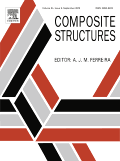
COMPOSITE STRUCTURES
metrics 2024
Elevating Research Standards in Composite Structures
Introduction
Composite Structures, published by Elsevier Science Ltd, is a premier academic journal that has been at the forefront of research in the fields of Ceramics and Composites and Civil and Structural Engineering since its inception in 1983. With a remarkable Q1 ranking in both categories for 2023, it is recognized as one of the leading publications, occupying the 22nd position in Civil and Structural Engineering and the 14th in Materials Science, showcasing its high-impact contributions to the respective fields. The journal serves as a crucial platform for disseminating cutting-edge research, innovative methodologies, and comprehensive reviews that cater to the academic and professional community. Although it does not offer open access options, its robust impact factor and extensive reach through Scopus ensure that the articles published are widely cited and serve as valuable resources for enhancing the understanding of composite materials and structures. The journal invites contributions that push the boundaries of knowledge, making it an essential read for researchers, engineers, and students invested in advanced materials and structural applications.
Metrics 2024
 1.606.305.90199
Metrics History
Rank 2024
Scopus
IF (Web Of Science)
JCI (Web Of Science)
Quartile History
Similar Journals
POLYMER COMPOSITES
Unveiling Breakthroughs in Material ChemistryPOLYMER COMPOSITES, published by WILEY, is a leading journal dedicated to advancing the fields of materials science and engineering through the exploration of polymer composite materials. With its foundation dating back to 1980, this esteemed journal has continuously provided a platform for researchers to publish high-quality studies and innovative methodologies in areas such as ceramics, composites, and miscellaneous chemistry. Ranked in the prestigious Q1 quartile for sectors like Polymers and Plastics as well as Materials Chemistry, POLYMER COMPOSITES stands significant within the academic community, holding a notable impact factor that reflects its influence. The journal encompasses a comprehensive range of topics, making it essential reading for professionals, researchers, and students aiming to stay at the forefront of developments in polymer science and composite technologies. Although it does not currently offer Open Access, readers can access its impactful publications through institutional or individual subscriptions, contributing to ongoing advancements in the field and facilitating the exchange of valuable knowledge among scientists and engineers worldwide.
Advanced Manufacturing-Polymer & Composites Science
Fostering Collaboration in Cutting-Edge ResearchAdvanced Manufacturing-Polymer & Composites Science, published by Taylor & Francis Ltd, is a prominent open-access journal dedicated to the cutting-edge fields of polymer and composite materials in advanced manufacturing. With an ISSN of 2055-0340 and an E-ISSN of 2055-0359, this journal has been providing researchers, professionals, and students critical insights since its inception in 2015. The journal is characterized by its pivotal role in disseminating high-quality research that intersects with crucial areas such as Electrical and Electronic Engineering, Management of Technology and Innovation, and Polymers and Plastics, as indicated by its Q3 and Q2 rankings across these categories in 2023. In addition, it has established a significant presence in Scopus rankings, reflecting its contribution to the academic community with specific ranks in the top half of its fields. Recognizing the importance of open access, the journal fosters wider dissemination of knowledge, allowing global access to groundbreaking studies that influence both research and practical applications. Operating from the United Kingdom, Advanced Manufacturing-Polymer & Composites Science continues to pave the way for innovation and collaboration in the field, making it an essential resource for anyone involved in materials science and engineering.
Journal of Materials Science & Technology
Catalyzing Progress in Materials EngineeringThe Journal of Materials Science & Technology, published by JOURNAL MATER SCI TECHNOL in China, is a leading forum for the latest research in the multidisciplinary field of materials science. With the ISSN 1005-0302 and E-ISSN 1941-1162, this esteemed journal boasts an impressive impact factor and has established itself as a vital resource for professionals, researchers, and students alike. Covering a wide range of topics, including ceramics, composites, materials chemistry, mechanical engineering, and polymers, it has achieved a coveted Q1 ranking in multiple categories as of 2023, reflecting its position in the top tier of scholarly publications. Notably, the journal excels in its Scopus ranks, placing within the top 5% in categories such as Metals and Alloys and Mechanical Engineering. Aiming to foster knowledge and innovation in material development and application, the journal is committed to facilitating groundbreaking research and collaborations that propel the field forward. With its convergence of insights from 1993 to 2025, the Journal of Materials Science & Technology remains an indispensable resource for the advancement of materials science.

ACI STRUCTURAL JOURNAL
Transforming Ideas into Concrete Solutions for the Built EnvironmentThe ACI Structural Journal, published by the American Concrete Institute, serves as a premier platform for scholarly articles and research findings in the fields of building and construction and civil and structural engineering. With a commitment to advancing concrete technology and its applications, this journal has amassed an impressive reputation, holding a Q2 ranking in both Building and Construction and Civil and Structural Engineering categories as of 2023. The journal’s focus on innovative research and practical applications enables professionals, researchers, and students to stay at the forefront of industry developments. Although it does not offer open access, the content bears significant impact, ensuring that readers engage with high-quality research. As the journal converges its years of publication from 1987 to 2024, it continues to enrich the academic and professional discussions surrounding structural engineering and concrete science.
APPLIED COMPOSITE MATERIALS
Fostering Collaboration in Composite Material AdvancementsAPPLIED COMPOSITE MATERIALS is a leading peer-reviewed journal published by Springer, dedicated to advancing the field of composite materials and their applications. With an ISSN of 0929-189X and E-ISSN of 1573-4897, this journal serves as an essential resource for researchers, professionals, and students interested in the innovative approaches and technological progress within the realm of composite materials. Based in the Netherlands, APPLIED COMPOSITE MATERIALS is recognized in the 2023 Scopus rankings, holding a prestigious Q2 quartile position in the Ceramics and Composites category, further exemplifying its impact with a rank of #59 out of 127 in materials science. The journal has been at the forefront of composite material research since its inception in 1994 and continues to offer open access to high-quality publications that address both theoretical and practical applications in the field. Researchers can count on this journal to disseminate cutting-edge findings and foster collaboration, driving innovation in composite material development.

Composites Research
Exploring the Frontiers of Composite TechnologyComposites Research is an esteemed academic journal dedicated to advancing the field of composite materials, published by the Korean Society of Composite Materials. With a focus on innovative research and development, this journal serves as a vital platform for researchers, professionals, and scholars in the field, promoting high-quality papers that discuss both theoretical and practical aspects of composite materials. Although it operates under a traditional access model, the journal remains committed to disseminating essential knowledge and cutting-edge findings relevant to the latest trends and technological advancements in composites. The ISSN 2288-2103 and E-ISSN 2288-2111 ensure the widespread visibility and accessibility of published works. The journal is strategically positioned to contribute to the growing body of knowledge in composite research, enabling the exchange of ideas and collaboration among a global audience.
Materials Testing
Elevating Standards in Material Testing and EngineeringMaterials Testing is a renowned journal published by Walter de Gruyter GmbH, serving the global scientific community in the fields of Materials Science, Mechanical Engineering, and Mechanics of Materials. With an ISSN of 0025-5300 and an E-ISSN of 2195-8572, this journal has been a significant contributor to the discourse on material performance, testing methodologies, and engineering innovations since its inception. The journal is recognized for its rigorous peer-review process and holds a commendable Q2 quartile ranking in multiple categories for 2023, showcasing its impact and relevance in the field. With open access options available, Materials Testing aims to disseminate valuable research findings and practical insights that drive advancements in technology and materials applications. By addressing the latest challenges and developments within the field, this publication serves as an essential resource for researchers, professionals, and students alike, fostering a deeper understanding of material properties and testing techniques.
ADVANCED COMPOSITE MATERIALS
Exploring Breakthroughs in Composite EngineeringADVANCED COMPOSITE MATERIALS, published by Taylor & Francis Ltd, is a leading peer-reviewed journal in the field of materials science, specifically focusing on the innovative development and applications of composite materials. With an ISSN of 0924-3046 and E-ISSN 1568-5519, this journal serves as a vital resource for researchers and professionals worldwide, examining cutting-edge advancements and methodologies in composites, ceramics, and mechanical engineering. Having secured a solid standing in the academic community, it boasts impressive Scopus rankings, such as #185 in Mechanical Engineering with a 72nd percentile and #46 in Ceramics and Composites, emphasizing its relevance and rigor. Although not an open-access publication, its insights are invaluable for those looking to explore, contribute to, and stay abreast of the latest breakthroughs in the field from 1991 through 2024. By targeting critical areas within mechanics and material sciences, the journal continues to foster innovation and scholarly discussion, making it an essential venue for specialists striving to advance the capabilities and applications of composite materials.

Functional Composites and Structures
Unleashing the Potential of Advanced Materials.Functional Composites and Structures is a prestigious academic journal published by IOP Publishing Ltd, dedicated to advancing the field of materials science with a focus on innovative composite materials and their structural applications. Established in 2019 and running through 2024, this journal uniquely bridges several disciplines, consistently ranking in the Q2 quartile across key categories including Ceramics and Composites, Electronic, Optical and Magnetic Materials, and Mechanics of Materials. With a commendable Scopus rank that places it within the top tiers of its field, the journal is instrumental for researchers, engineers, and scholars seeking to explore the latest developments in material properties, functionality, and applications. Although access options are not specified, the open-access nature of the journal promotes wider dissemination and engagement with cutting-edge research. As the demand for smarter, more efficient materials continues to grow, Functional Composites and Structures serves as a vital resource for fostering collaboration and driving innovation in material sciences.
TRANSACTIONS OF NONFERROUS METALS SOCIETY OF CHINA
Advancing knowledge in nonferrous metals and materials science.TRANSACTIONS OF NONFERROUS METALS SOCIETY OF CHINA, published by Elsevier, is a premier academic journal that serves as a vital platform for researchers and professionals specializing in materials science, condensed matter physics, geotechnical engineering, and engineering geology. Established in 1994, this esteemed publication has maintained a robust focus on the latest developments in the nonferrous metals sector, reflecting its significant impact in the field with a Q1 categorization across multiple disciplines. With impressive Scopus rankings—placing it in the top 20% of journals in relevant categories—this journal is recognized for its quality and rigor, providing critical insights into metals and alloys, materials chemistry, and their applications. The non-open access format ensures a dedicated readership among professionals and academics seeking substantial and authoritative research articles. By fostering knowledge exchange, the journal strives to advance the understanding and application of nonferrous metals, making it an essential resource for anyone involved in material innovations and engineering solutions.