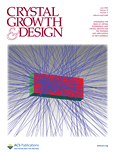
CRYSTAL GROWTH & DESIGN
metrics 2024
Unveiling Breakthroughs in Crystal Growth
Introduction
CRYSTAL GROWTH & DESIGN, published by the American Chemical Society, is a premier journal dedicated to the interdisciplinary study of materials science, condensed matter physics, and miscellaneous chemistry. With an ISSN of 1528-7483 and E-ISSN of 1528-7505, this journal provides a vital platform for the dissemination of innovative research findings from 2001 through 2024, reflecting the dynamic advancements in crystal growth and design methodologies. It is recognized for its impact in the field, earning a distinguished placement in the Q2 quartile across categories of Chemistry, Condensed Matter Physics, and Materials Science for 2023. Researchers engaging with CRYSTAL GROWTH & DESIGN will find a wealth of peer-reviewed articles encompassing cutting-edge experimental techniques, theoretical frameworks, and application-oriented studies. Although not an open-access journal, it remains a critical resource for academics, professionals, and students aiming to enhance their understanding of crystal growth processes and material functionality, with Scopus rankings reflecting its reputable authority within the scientific community.
Metrics 2024
 0.653.203.20174
Metrics History
Rank 2024
Scopus
IF (Web Of Science)
JCI (Web Of Science)
Quartile History
Similar Journals
ACTA CRYSTALLOGRAPHICA SECTION C-STRUCTURAL CHEMISTRY
Advancing Knowledge in Crystalline MaterialsACTA CRYSTALLOGRAPHICA SECTION C-STRUCTURAL CHEMISTRY is a respected journal in the fields of condensed matter physics, inorganic chemistry, and materials chemistry, published by the International Union of Crystallography. With an extensive history dating back to its inception in the late 1980s, this journal serves as a significant platform for researchers to disseminate high-quality research on structural chemistry, focusing on the synthesis and characterization of crystalline materials. Despite currently holding a Q4 ranking across multiple academic categories, it remains an essential resource for those engaged in these scientific disciplines, facilitating dialogue and collaboration among experts. The journal's commitment to publishing innovative studies ensures that it continues to contribute to the advancement of knowledge in its field. Although it does not offer Open Access, the journal is dedicated to maintaining rigorous peer-review standards, making it a reliable source for scholars and practitioners alike. Located in the United States, ACTA CRYSTALLOGRAPHICA SECTION C is a pivotal part of the global crystallography community.

CRYSTENGCOMM
Illuminating the path of crystallization advancements since 1999.CRYSTENGCOMM is a distinguished journal published by the Royal Society of Chemistry, dedicated to advancing the field of crystallization and crystal engineering. With its impact factor consistently among the top tier in its category, CRYSTENGCOMM serves as an essential platform for researchers, professionals, and students in Chemistry, Condensed Matter Physics, and Materials Science. The journal has successfully maintained its relevance and influence since its inception, showcasing pioneering research from 1999 to 2024, with a commendable Q2 ranking in the latest evaluations. This accessibility to crucial developments in crystallization facilitates knowledge transfer across disciplines and enhances collaboration within the scientific community. Although it operates under a subscription model, the journal remains committed to disseminating cutting-edge research and fostering innovation in the field. For more information or to submit your research, please visit the Royal Society of Chemistry's website.
CRYSTAL RESEARCH AND TECHNOLOGY
Illuminating the Path of Crystal TechnologyCRYSTAL RESEARCH AND TECHNOLOGY, published by WILEY-V C H VERLAG GMBH, is a distinguished journal in the fields of Chemistry, Condensed Matter Physics, and Materials Science, with over five decades of continuous publication from 1966 to 2024. With its ISSN 0232-1300 and E-ISSN 1521-4079, the journal serves as a crucial platform for disseminating significant research findings, theoretical advances, and technological innovations related to crystal growth, structure, and properties. Holding a Category Quartile ranking of Q3 in the 2023 assessments across its disciplines, CRYSTAL RESEARCH AND TECHNOLOGY is recognized for its contribution to the scientific community, making it an essential resource for researchers, professionals, and students alike. While this journal is not open access, its robust publishing framework ensures that high-quality peer-reviewed articles remain accessible to a global audience. The importance of this journal lies in its commitment to advancing knowledge and fostering collaborations in crystallography and related fields.
X-Ray Structure Analysis Online
Pioneering Insights in X-Ray Structural ResearchX-Ray Structure Analysis Online is a pivotal academic journal dedicated to the field of analytical and materials chemistry, published by the Japan Society for Analytical Chemistry. Established in 2009, this journal serves as a vital platform for researchers and professionals dedicated to advancing the understanding of X-ray structural analysis techniques and their applications. With ISSN 1883-3578, it operates under rigorous peer-review standards, promoting high-quality research contributions. While the journal is currently categorized in the Q4 quartile for both Analytical Chemistry and Materials Chemistry, its focus on cultivating a deeper understanding of material properties through X-ray analysis remains crucial for ongoing developments in these fields. By providing an accessible outlet for innovative studies, X-Ray Structure Analysis Online supports the academic community in overcoming the challenges of a rapidly evolving scientific landscape. It is particularly valuable for those engaged in material and analytical research, offering insights that contribute to both theoretical foundations and practical applications.
SEMICONDUCTORS
Unveiling the mysteries of magnetic materials.SEMICONDUCTORS, published by PLEIADES PUBLISHING INC, is a prominent journal that provides a platform for researchers and professionals in the fields of Atomic and Molecular Physics, Condensed Matter Physics, and Electronic, Optical and Magnetic Materials. With an ISSN of 1063-7826 and an E-ISSN of 1090-6479, the journal has been diligently disseminating knowledge since its inception in 1996 and continues to pave the way for innovative research until 2024. Although currently unclassified in the Open Access model, its influence is underscored by its rankings in Scopus, where it ranks in the 21st-22nd percentile across critical scientific categories. SEMICONDUCTORS serves as an essential resource for cutting-edge research, fostering a greater understanding of semiconductor materials and their applications, thereby assisting the scientific community in pushing the boundaries of technology and innovation.

Crystallography Reviews
Empowering Researchers with Cutting-edge Crystallographic KnowledgeCrystallography Reviews is a premier academic journal published by Taylor & Francis Ltd, dedicated to advancing the field of crystallography and its applications across various scientific domains. With an ISSN of 0889-311X and an E-ISSN of 1476-3508, this journal has established itself as a vital resource for researchers and practitioners since its inception. It encompasses a broad scope, including insights into biochemistry, general chemistry, condensed matter physics, materials science, and structural biology, reflecting a multidisciplinary approach that is essential in today’s research environment. As indicated by its 2023 quartile rankings, it holds a distinguished position in the Q1 category for Condensed Matter Physics and Q2 in several other significant fields. Notably, it ranks #31 in the Scopus category for Structural Biology, underscoring its influence and relevance. Although it does not offer Open Access options, the journal maintains a strong commitment to quality and rigor in its publication process. For scholars and students striving for a competitive edge in crystallographic research, Crystallography Reviews serves as an indispensable tool for disseminating pivotal findings and fostering academic dialogue.
Zeitschrift fur Kristallographie-Crystalline Materials
Transforming Ideas into Crystalline RealityZeitschrift für Kristallographie-Crystalline Materials is a prestigious academic journal published by Walter de Gruyter GmbH, focusing on the intricate field of crystallography and its applications within condensed matter physics, inorganic chemistry, and materials science. Established in Germany, this journal spans a rich history from its inception in 1930 to its convergence years from 2012 to 2024, presenting cutting-edge research and developments in crystalline materials. With an impact factor reflective of its critical role within its field—ranking Q3 in the prestigious quartiles for 2023 across multiple categories—this journal serves as an essential platform for researchers, professionals, and students seeking to expand their knowledge and contribute to the advancement of crystalline materials. While currently not offering open access, the journal remains committed to disseminating high-quality, peer-reviewed articles that inspire innovation and collaboration within the scientific community.
ZEITSCHRIFT FUR KRISTALLOGRAPHIE-NEW CRYSTAL STRUCTURES
Exploring the Foundations of Crystal ScienceZEITSCHRIFT FÜR KRISTALLOGRAPHIE-NEW CRYSTAL STRUCTURES, published by Walter de Gruyter GmbH, is a pivotal open-access journal dedicated to the study of crystal structures and their applications across various scientific disciplines, including condensed matter physics, inorganic chemistry, and materials science. Since its inception in 1954, the journal has been a vital resource for researchers, scholars, and professionals aiming to advance their understanding of crystal forms and their interactions. Operating with an open-access model since 1997, it ensures that the latest research is readily available to a global audience, promoting collaboration and innovation in the field. Although it holds a Q4 categorization in its respective quartiles for 2023, its commitment to disseminating significant findings in crystal structures is unwavering. The journal's location in Germany signifies its historical role in advancing crystallography research, making it an important platform for presenting new discoveries and insights. Whether you are seeking to publish your findings or explore cutting-edge research, ZEITSCHRIFT FÜR KRISTALLOGRAPHIE is an essential academic resource for the crystallography community.
CRYSTALLOGRAPHY REPORTS
Exploring the Foundations of CrystallographyCRYSTALLOGRAPHY REPORTS (ISSN: 1063-7745, E-ISSN: 1562-689X), published by PLEIADES PUBLISHING INC, is a pivotal journal in the fields of chemistry, condensed matter physics, and materials science. Established in 1996 and continuing through to 2024, it serves as a vital resource for researchers and professionals seeking to disseminate and engage with contemporary advancements in crystallography. While currently not classified as open access, the journal's rigorous peer-review process ensures the publication of high-quality research, making it a respected entity within the academic community. With a categorization in the Q4 quartile for its respective fields and notable Scopus rankings, CRYSTALLOGRAPHY REPORTS is committed to fostering an understanding of crystallographic techniques and their application across scientific disciplines. This journal is essential for those looking to stay abreast of the latest findings and methodologies in crystallography, providing a platform for impactful discussions and collaborations.
PROGRESS IN CRYSTAL GROWTH AND CHARACTERIZATION OF MATERIALS
Transforming Materials Science Through Rigorous InquiryPROGRESS IN CRYSTAL GROWTH AND CHARACTERIZATION OF MATERIALS, published by Pergamon-Elsevier Science Ltd, is a premier journal dedicated to the advancement of knowledge in the fields of condensed matter physics and materials science. With an ISSN of 0960-8974 and an E-ISSN of 1878-4208, this esteemed journal has been at the forefront of research since its inception in 1990 and continues to publish cutting-edge findings until 2024. Recognized as Q1 in Condensed Matter Physics and Q2 in Materials Science (miscellaneous) as of 2023, it holds impressive Scopus rankings, placing it in the 89th and 81st percentiles of its respective categories. The journal aims to foster innovation and facilitate the exchange of ideas among researchers and professionals by showcasing significant developments in crystal growth and material characterization methodologies. Although it currently does not offer open access, the journal remains a vital resource for academia, providing comprehensive insights that drive forward the fields of physics and materials science, thereby benefiting both seasoned researchers and students alike.