
CURRENT SCIENCE
metrics 2024
Fostering Discovery, Empowering Minds
Introduction
CURRENT SCIENCE, published by the Indian Academy of Sciences, is a distinguished multidisciplinary journal that has been a cornerstone of scientific literature since its inception in 1945. With an ISSN of 0011-3891, it provides a platform for high-quality research articles that span a wide array of scientific disciplines, reflecting the dynamic landscape of contemporary science. The journal is currently ranked in the Q2 category, demonstrating its significant impact and contribution to the field, as evidenced by its position at Rank #69 out of 171 in the Scopus ranking system, placing it within the 59th percentile among its peers. CURRENT SCIENCE is not only a vital resource for researchers and professionals seeking to stay abreast of advancements but also serves as an educational tool for students across various scientific domains. Although it does not offer open access options, its robust editorial standards and commitment to disseminating noteworthy research make it an essential read for anyone invested in the pursuit of knowledge and innovation. Based in Bangalore, India, the journal continues to engage a global audience, ensuring that cutting-edge scientific discoveries and interdisciplinary dialogues are accessible to the wider scientific community.
Metrics 2024
 0.241.101.10137
Metrics History
Rank 2024
Scopus
IF (Web Of Science)
JCI (Web Of Science)
Quartile History
Similar Journals

GLOBAL CHALLENGES
Empowering Solutions for a Sustainable Future.GLOBAL CHALLENGES is a leading multidisciplinary journal published by Wiley-V C H Verlag GmbH, dedicated to addressing the critical and complex issues faced by our global society today. Since its inception in 2017, the journal has embraced an Open Access model, ensuring that its innovative research is readily available to a wider audience, fostering collaboration and knowledge sharing. With an impressive Q1 ranking in the Multidisciplinary category for 2023, it positions itself among the top 8% of journals in the field, further solidified by its 93rd percentile rank in Scopus. Covering a broad range of topics that intersect various disciplines, the journal seeks to inspire researchers, professionals, and students alike to engage with and contribute to solutions that resonate across diverse sectors. The ongoing commitment to advancing scientific knowledge and tackling pressing global challenges makes GLOBAL CHALLENGES an essential resource for anyone invested in the future of our planet.
ACTA AGRICULTURAE SCANDINAVICA SECTION B-SOIL AND PLANT SCIENCE
Advancing Sustainable Agriculture Through Soil and Plant ScienceACTA AGRICULTURAE SCANDINAVICA SECTION B-SOIL AND PLANT SCIENCE, published by Taylor & Francis AS, is a distinguished journal dedicated to the fields of Agronomy, Crop Science, and Soil Science. With an impressive impact factor, and categorized in Q2 for both Agronomy and Crop Science and Soil Science as of 2023, this journal is an essential resource for researchers, professionals, and students aiming to advance their understanding of soil-plant interactions and sustainable agricultural practices. Operating since 1992 and continuing through to 2024, ACTA aims to publish high-quality, peer-reviewed research that encourages the applicability of advanced scientific knowledge in real-world agricultural settings. While the journal is not open access, it remains widely accessible through institutional subscriptions, reflecting its commitment to disseminating essential findings and fostering innovation in soil and plant science worldwide. Nestled in the vibrant academic environment of Norway, ACTA AGRICULTURAE SCANDINAVICA serves as a key platform for nurturing groundbreaking research that informs sustainable agricultural policies and practices globally.
ACS Agricultural Science & Technology
Cultivating Innovations in Agricultural Science and TechnologyACS Agricultural Science & Technology, published by the American Chemical Society, is an influential journal dedicated to the advancement of agricultural research and technologies. Since its convergence in 2021 and continuous publication until 2024, the journal has established itself in the fields of Agricultural and Biological Sciences, Agronomy and Crop Science, Food Science, and Plant Science, having achieved a commendable Q2 ranking across these categories in 2023. This signifies its growing impact and relevance within the global research community, evidenced by its Scopus rankings, which place it in the top percentiles of its fields. Although currently not an open-access journal, it provides a critical platform for disseminating pioneering research that addresses pressing agricultural challenges, fostering innovation in crop production, food security, and sustainable practices. As such, it serves as an essential resource for researchers, professionals, and students aiming to contribute to the future of agricultural science.
Current Opinion in Environmental Sustainability
Bridging Disciplines for Sustainable SolutionsCurrent Opinion in Environmental Sustainability, published by Elsevier Science Ltd, is a leading academic journal that specializes in exploring innovative strategies and emerging trends in environmental sustainability. With an impressive impact factor that reflects its esteemed position within the field, this journal is classified as Q1 in both the Environmental Science and Social Sciences categories for 2023, indicating its high-quality and influential contributions. The journal has been at the forefront of sustainability discussions since its inception in 2009 and continues to provide a platform for multidisciplinary research and critical analysis. As a key resource for researchers, professionals, and students alike, Current Opinion in Environmental Sustainability ensures open access to valuable insights while fostering collaboration and knowledge sharing across various domains. This journal not only serves to inform and inspire but also aims to address the pressing challenges of sustainability in our evolving world, making it an essential read for anyone engaged in environmental studies.
Nativa
Empowering global research for a greener future.Nativa, published by the Universidade Federal de Mato Grosso in Brazil, stands as a prominent open-access journal since 2013, dedicated to the dissemination of research across various domains of Agricultural and Biological Sciences. With its ISSN 2318-7670, Nativa aims to foster scholarly communication and collaboration among researchers and practitioners worldwide. The journal occupies notable positions within the Scopus rankings, with a Q3 classification in several categories, including Agricultural and Biological Sciences (miscellaneous) and Environmental Science (miscellaneous), while also holding a Q4 classification in areas such as Agronomy and Crop Science and Animal Science and Zoology. This positioning reflects its commitment to advancing knowledge and understanding crucial to sustaining and enhancing our natural resources. Nativa seeks to engage a diverse readership by providing a platform for innovative research, fostering interdisciplinary discourse, and addressing pressing environmental challenges and conservation efforts essential for sustainable development.
Frontiers of Agricultural Science and Engineering
Pioneering research at the forefront of agricultural sciences.Frontiers of Agricultural Science and Engineering, published by HIGHER EDUCATION PRESS, is a distinguished open-access journal established in 2014, dedicated to advancing research across the fields of agricultural and biological sciences, biotechnology, and veterinary studies. With an impressive Q1 ranking in both Agricultural and Biological Sciences and Veterinary categories for 2023, this journal positions itself prominently within the academic landscape, reflecting the importance and quality of the research it disseminates. The journal serves as a vital platform for researchers, professionals, and students worldwide, featuring a broad array of studies that enhance our understanding of agricultural technologies, biotechnological innovations, and veterinary sciences. With a focus on rigor and accessibility, Frontiers of Agricultural Science and Engineering promotes the global exchange of knowledge, encouraging the collaboration that is essential for tackling contemporary challenges in these critical fields. Available online with a comprehensive range of article options, it continues to contribute to the scientific community's advancements in agricultural and biological disciplines.

Journal of Agriculture and Environment for International Development
Navigating the Path to Sustainable Development TogetherJournal of Agriculture and Environment for International Development, published by AGENZIA ITALIANA COOPERAZIONE SVILUPPO-ITALIAN DEV COOP AGENCY, is a vital platform advancing research at the intersection of agricultural practices, environmental sustainability, and international development. Since its inception, this Open Access journal has aimed to disseminate knowledge and innovative strategies that address global challenges in the agri-environment sector. With ISSN 2240-2802, this esteemed publication is situated in Italy and has maintained an unwavering commitment to accessibility since 2011, encouraging widespread engagement amongst researchers and practitioners. Although currently ranked in the Q4 quartile across various categories including Agricultural and Biological Sciences and Environmental Science, the journal is dedicated to covering crucial topics that contribute to sustainable development, thus serving as an invaluable resource for scholars and policymakers alike. The convergence years from 2016 to 2024 reflect the journal's adaptive approach to evolving global trends, ensuring its relevance in a rapidly changing academic landscape.

Journal of Fisheries
Fostering collaboration for a resilient aquatic world.The Journal of Fisheries, an esteemed publication by BDFISH, serves as a pivotal platform for disseminating cutting-edge research in the field of fisheries science. With its commitment to Open Access since 2013, the journal ensures that vital knowledge is accessible to researchers, professionals, and students worldwide, promoting widespread dissemination of fishery-related discoveries. By featuring high-quality peer-reviewed articles, the Journal of Fisheries aims to advance the understanding of aquatic ecosystems, sustainable fishing practices, and the broader implications of fisheries on biodiversity and food security. Located at the Dept of Fisheries, University of Rajshahi, Bangladesh, this journal plays a crucial role in fostering academic dialogue and collaboration, contributing significantly to the growth and development of fisheries research globally.

Granja-Revista de Ciencias de la Vida
Fostering Innovation Across Earth and Environmental SciencesGranja-Revista de Ciencias de la Vida, published by the Universidad Politécnica Salesiana Ecuador, is a prominent open access journal that has been disseminating valuable research since 2002. With its ISSN 1390-3799 and E-ISSN 1390-8596, this journal serves as a vital forum for researchers in the fields of Agricultural and Biological Sciences, Biochemistry, Earth Sciences, and Environmental Science. Ranking in the Q3 and Q4 quartiles for various categories according to Scopus, it occupies a significant position within its disciplines, with an HIndex that underscores its scholarly impact. Granja aims to foster interdisciplinary collaboration and innovation by publishing rigorous research articles, reviews, and case studies that address contemporary challenges in life sciences, primarily within the context of Ecuador and Latin America. The journal’s commitment to open access ensures that its findings are readily available to a global audience, enhancing the visibility and application of research for academics, professionals, and policymakers alike.
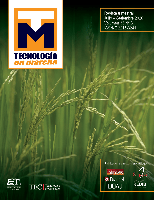
Tecnologia en Marcha
Driving Technological Advancements Across BordersTecnologia en Marcha is a premier academic journal published by the Instituto Tecnológico de Costa Rica, catering to the fields of engineering, technology, and applied sciences. With its open access model established since 1999, the journal ensures that cutting-edge research is readily accessible to scholars and practitioners alike, promoting innovation and collaboration across various domains. ISSN: 0379-3982 and E-ISSN: 2215-3241 exemplify its commitment to global dissemination of knowledge. The journal aims to publish high-quality empirical and theoretical studies that contribute to technological advancements and educational practices, fostering an environment where interdisciplinary research can flourish. By providing a platform for researchers, professionals, and students from diverse backgrounds, Tecnologia en Marcha plays a vital role in shaping the future of technology and engineering in Latin America and beyond.