DISEASES OF AQUATIC ORGANISMS
metrics 2024
Pioneering Research on Aquatic Organism Diseases
Introduction
Diseases of Aquatic Organisms, published by Inter-Research in Germany, is a prominent academic journal with a focus on the study and management of diseases affecting aquatic organisms, including fish, mollusks, and corals. Since its inception in 1990, this journal has been a vital resource for researchers and professionals in the fields of aquatic science and ecology, evidenced by its Q2 ranking in both categories for 2023. With an ISSN of 0177-5103 and E-ISSN 1616-1580, it offers valuable insights and advancements in the understanding of aquatic health issues and their ecological implications. Though not an open-access journal, it maintains rigorous academic standards and fosters an international dialogue on emerging pathogens and their management, contributing significantly to the body of knowledge that informs sustainable practices in aquatic environments. As the field continues to evolve, Diseases of Aquatic Organisms remains a cornerstone for those dedicated to the preservation and study of aquatic biodiversity and ecosystem health.
Metrics 2024
 0.441.101.50111
Metrics History
Rank 2024
IF (Web Of Science)
JCI (Web Of Science)
Quartile History
Similar Journals

Journal of Oceanology and Limnology
Exploring the Depths of Aquatic ResearchJournal of Oceanology and Limnology, published by SCIENCE PRESS, is a premier academic journal dedicated to advancing the fields of oceanography and limnology. With an ISSN of 2096-5508 and E-ISSN 2523-3521, this journal has emerged as a vital resource since its inception, aiming to disseminate cutting-edge research and comprehensive studies on aquatic environments. Based in China and indexed with notable rankings in Scopus, including a Q2 category in Oceanography and a Q3 category in Water Science and Technology, this journal significantly contributes to knowledge in these crucial scientific disciplines. The H-index for the journal is currently being established, reflecting its evolving impact within the academic community. Moreover, the open access model promotes wider dissemination, ensuring that research findings are accessible to a global audience. Covering a diverse range of topics from ecosystem health to climate impact on water bodies, the Journal of Oceanology and Limnology aspires to foster interdisciplinary dialogue and innovation among researchers, professionals, and students engaged in understanding and preserving aquatic life.
AQUACULTURE
Driving sustainable practices in the world of aquaculture.AQUACULTURE is a premier academic journal dedicated to the field of aquatic science, published by Elsevier. With a robust Impact Factor, the journal is renowned for its significant contributions to aquatic biology and the sustainable development of aquaculture practices. Since its inception in 1972, AQUACULTURE has established itself as an essential resource for researchers and professionals in the industry, regularly ranked in the Q1 category of aquatic science journals and positioned in the 14th percentile of its field according to Scopus rankings. Covering a wide array of topics including fish biology, aquaculture technology, sustainable practices, and environmental impacts, AQUACULTURE aims to disseminate innovative research findings that drive the industry forward. The journal, accessible to a global audience from its base in the Netherlands, continues to foster collaboration, discussion, and application of research to both academic and practical realms within aquaculture. Researchers and students alike will find valuable insights and current trends in this highly respected publication.

BULLETIN OF THE EUROPEAN ASSOCIATION OF FISH PATHOLOGISTS
Championing Excellence in Fish Health Studies.BULLETIN OF THE EUROPEAN ASSOCIATION OF FISH PATHOLOGISTS is a leading journal dedicated to advancing research and knowledge in the field of fish pathology, published by the European Association of Fish Pathologists. With its ISSN number 0108-0288, this journal has consistently contributed to the academic landscape since its inception in 1996. Based in the United Kingdom, this journal is recognized for its high-quality research output, holding a commendable Q2 ranking in both Aquatic Science and Small Animals categories as of 2023. The Scopus rankings further reflect its impact, notably securing a 10th rank in Veterinary Small Animals, showcasing its relevance and influence in the field. Although it does not offer Open Access, the content remains vital for researchers and practitioners invested in addressing the challenges associated with fish health and pathogens. The journal serves as a critical platform for sharing innovative studies, fostering collaborations, and informing ongoing developments in aquatic science. Its commitment to maintaining high standards ensures that it remains an essential resource for professionals, researchers, and students alike in pursuit of knowledge on fish pathology and aquatic health.

EPIDEMIOLOGY AND INFECTION
Pioneering Insights for Infectious Disease ManagementEPIDEMIOLOGY AND INFECTION is a premier open-access journal published by Cambridge University Press, dedicated to advancing the field of epidemiology and infectious diseases. With an ISSN of 0950-2688 and E-ISSN of 1469-4409, this journal has been at the forefront of disseminating impactful research since its inception in 1970. As of 2023, it holds a prestigious Q2 ranking in both the fields of Epidemiology and Infectious Diseases, reflecting its significant contribution to these critical areas of study, with Scopus rankings placing it at #70 in Epidemiology and #163 in Infectious Diseases. The journal aims to publish high-quality, peer-reviewed studies that contribute to our understanding and management of infectious diseases globally. Operating under an open-access model since 2020, EPIDEMIOLOGY AND INFECTION ensures that research is accessible to a wide audience, fostering collaboration and innovation among researchers, professionals, and students alike. With a commitment to excellence, this journal is an essential resource for those looking to stay abreast of the latest developments in epidemiological research and infectious disease management.
Inland Water Biology
Connecting Research with Freshwater ConservationInland Water Biology is a distinguished peer-reviewed journal published by MAIK NAUKA/INTERPERIODICA/SPRINGER, focusing on the intricate interactions within freshwater ecosystems. With its ISSN (1995-0829) and E-ISSN (1995-0837), this journal has established itself as an essential resource for researchers and professionals in the fields of Aquatic Science and Ecology, evidenced by its consistent ranking in the Q3 category for both disciplines in 2023. Covering a wide array of topics related to the biology of inland waters, the journal aims to disseminate cutting-edge research findings and theoretical advancements that contribute to the understanding of aquatic environments and their ecological significance. Although it does not offer open access, its impact in the academic community is noteworthy, ensuring that published works undergo rigorous peer review. Researchers, professionals, and students alike will find valuable insights and innovative approaches within its pages, making Inland Water Biology a vital addition to their academic endeavors.
JOURNAL OF SHELLFISH RESEARCH
Fostering Collaboration for Shellfish Research ExcellenceJOURNAL OF SHELLFISH RESEARCH is a prominent publication in the field of aquatic science, specifically focusing on the biology and ecology of shellfish. Published by the NATL SHELLFISHERIES ASSOC, this journal provides a vital platform for researchers and professionals to share their findings, contribute to the understanding of shellfish ecosystems, and advance practices in aquaculture and fisheries management. The journal's current ranking places it in the Q2 category in aquatic science, reflecting its importance and relevance in the academic community. With its extensive history from 1993 to 2024, the JOURNAL OF SHELLFISH RESEARCH plays a critical role in disseminating high-quality research to enhance the sustainability and conservation of shellfish populations. Although the journal is not open access, it attracts a wide readership eager to engage with groundbreaking studies and innovative methodologies, making it an indispensable resource for anyone invested in aquatic biology and the shellfishing industry.
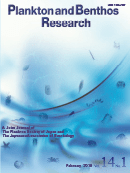
Plankton & Benthos Research
Connecting Research and Innovation in OceanographyPlankton & Benthos Research, published by the Plankton Society of Japan, serves as a pivotal platform in the fields of Aquatic Science, Ecology, and Oceanography. With its inception in 2006 and ongoing publication until 2024, this esteemed journal focuses on the complex interactions within aquatic ecosystems, emphasizing the significance of plankton and benthic organisms in maintaining ecological balance. Although it is categorized in the Q3 quartile across several disciplines, it continues to provide valuable insights and a forum for researchers to share innovative findings and methodologies. The journal is not currently open access, which ensures a layer of curator-driven content quality. Its impact, measured through Scopus rankings, showcases its role in fostering knowledge exchange among academics and professionals engaged in ecological and environmental studies. With an ISSN of 1880-8247 and E-ISSN 1882-627X, Plankton & Benthos Research invites contributions that enhance our understanding of the aquatic realm, establishing itself as a crucial resource for ongoing research and advancement in these essential fields.

Biosafety and Health
Promoting excellence in biosafety and health practices.Biosafety and Health is a leading peer-reviewed journal published by ELSEVIER, dedicated to advancing knowledge and practice in the fields of biotechnology, infectious diseases, microbiology, and public health. With an ISSN of 2096-6962 and an E-ISSN of 2590-0536, this Open Access journal has been accessible to the global research community since 2019, fostering collaboration and innovation from its base in the Netherlands. Ranked Q2 in multiple categories according to the latest metrics, including Biotechnology and Microbiology (medical), it stands as a testament to high-quality, impactful research that influences clinical and environmental practices. The journal has achieved substantial recognition in various medical fields, ranking in the 88th percentile for Public Health, Environmental and Occupational Health, and the 78th percentile for Infectious Diseases. Researchers and practitioners seeking to contribute to this evolving domain are encouraged to submit their findings, as the journal aims to promote interdisciplinary dialogue and address pressing global health challenges.
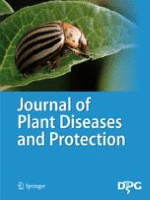
Journal of Plant Diseases and Protection
Championing Knowledge in Agronomy and HorticultureThe Journal of Plant Diseases and Protection, published by SPRINGER HEIDELBERG in Germany, is a premier platform for the dissemination of cutting-edge research in the fields of Agronomy, Horticulture, and Plant Science. With its Q2 ranking in multiple categories as of 2023, this journal stands out in the academic landscape, highlighting its strong performance with a notable Scopus rank of 22nd in Horticulture and placing in the top percentile for Agronomy and Plant Science. The journal spans from 2006 to 2024, making it a valuable resource for researchers, professionals, and students seeking to stay abreast of advancements in the understanding of plant diseases and their protection. The Open Access options further enhance its accessibility, fostering a global exchange of knowledge essential for addressing contemporary agricultural challenges.

FISH PATHOLOGY
Connecting researchers to combat fish diseases effectively.FISH PATHOLOGY is a vital journal dedicated to the field of aquatic animal health, published by the Japan Society of Fish Pathology. With a strong publication history dating back to 1967, this interdisciplinary journal aims to promote high-quality research focusing on the pathologies affecting fish and other aquatic organisms. Despite its category quartiles ranking of Q3 in both Animal Science and Zoology and Aquatic Science, the journal maintains a growing presence within the scientific community, holding a respectable position in Scopus rankings. Researchers and professionals looking for deep insights into fish health management and disease pathology will find FISH PATHOLOGY to be an invaluable resource for advancing knowledge and fostering collaboration in this essential area of study. Although the journal does not currently offer open access, its comprehensive analyses and findings are crucial for both academic and practical applications in fisheries and aquaculture worldwide.