
e-Informatica Software Engineering Journal
metrics 2024
Unlocking knowledge in software engineering for all.
Introduction
e-Informatica Software Engineering Journal, published by WROCLAW UNIVERSITY OF TECHNOLOGY, FACULTY OF COMPUTER SCIENCE & MANAGEMENT, is a premier open access journal dedicated to disseminating high-quality research in the field of software engineering. Since its inception in 2007, this journal has played a vital role in advancing knowledge and understanding within the software engineering community. With an ISSN of 1897-7979 and an E-ISSN of 2084-4840, it is recognized for its contributions, achieving a notable Q3 ranking in the Software category for 2023, reflecting its commitment to publish impactful research. The journal covers a wide array of topics that shape the current landscape of software engineering, appealing to researchers, professionals, and students alike. Moreover, it maintains a robust presence in academic databases, ranked #278 out of 407 in Computer Science - Software by Scopus, placing it in the 31st percentile. The journal's commitment to open access ensures that all published articles are freely available to promote wider dissemination and engagement with the scholarly community, paving the way for innovative developments and collaborative research in the field. If you're aiming to contribute to or stay updated with seminal research in software engineering, e-Informatica is your gateway to groundbreaking findings.
Metrics 2024
 0.401.201.3013
Metrics History
Rank 2024
Scopus
IF (Web Of Science)
JCI (Web Of Science)
Quartile History
Similar Journals
Journal of Statistical Software
Elevating the standards of statistical research and application.Journal of Statistical Software, published by the esteemed Journal Statistical Software, stands as a premier platform for the dissemination of cutting-edge research in the fields of statistical software development, methodologies, and applications. With an impressive impact factor and consistently ranking in the Q1 quartile for Software, Statistics and Probability, and Statistics, Probability and Uncertainty as of 2023, this journal is recognized globally for its scholarly contributions and innovative content. The journal has been an Open Access publication since 1996, facilitating unrestricted access to high-quality research for a diverse audience, including researchers, professionals, and students. As the journal converges into its 28th volume in 2024, it continues to maintain a strong presence in key academic rankings—evidenced by its stellar Scopus rank, where it is placed in the top 5% of journals in its field. Located at UCLA Department of Statistics, in Los Angeles, this journal is dedicated to fostering the advancement of statistical software and its role in enhancing scientific research across multiple disciplines.
International Journal on Software Tools for Technology Transfer
Exploring Cutting-Edge Tools for Effective Technology TransferInternational Journal on Software Tools for Technology Transfer (ISSN: 1433-2779; E-ISSN: 1433-2787), published by SPRINGER HEIDELBERG, stands as a pivotal platform for advancing the intersection of software engineering and technology transfer. Operating out of Germany, this esteemed journal has contributed significantly to the field since its inception in 1997 and continues to disseminate cutting-edge research through 2024. With a current impact footprint reflected in its Q2 status in Information Systems and Q3 in Software categories, it holds an impressive Scopus rank in the top 60th and 52nd percentiles respectively. Researchers, professionals, and students alike will find its commitment to exploring innovative software tools and techniques essential for enhancing technology transfer processes invaluable. Although the journal does not offer open access, its rigorously peer-reviewed articles are crucial for those seeking high-quality research insights.
JOURNAL OF SYSTEMS AND SOFTWARE
Leading Insights in Systems and Software Research.JOURNAL OF SYSTEMS AND SOFTWARE, published by Elsevier Science Inc, is a premier academic journal that serves as a vital platform for the dissemination of cutting-edge research in the fields of software engineering, information systems, and hardware architecture. With an impressive impact factor and consistently ranking in the Q1 category across several relevant sectors, including hardware and architecture (ranked 33rd out of 177), information systems (ranked 72nd out of 394), and software (ranked 75th out of 407) as of 2023, this journal is recognized for its rigorous peer-review process and high-quality publications. Established in 1979, the journal has become an essential resource for researchers, professionals, and students looking to stay abreast of the latest advancements and emerging trends in systems and software. While the journal does not currently operate under an open-access model, it ensures wide visibility through its indexed publications and is dedicated to advancing scholarly discourse in computer science. With contributions from leading experts in the field, JOURNAL OF SYSTEMS AND SOFTWARE continues to shape the landscape of software and systems research.
Automated Software Engineering
Leading the Charge in Software Engineering AdvancementsAutomated Software Engineering is a premier journal dedicated to advancing the field of software engineering through the exploration of innovative methodologies, tools, and applications. Published by Springer since its inception in 1994, this journal has established itself as a vital resource for researchers, industry professionals, and students alike, providing insights into the latest trends and technological advancements. With an impressive impact factor and currently ranked in the Q2 quartile of the Software category, it is recognized for its contribution to the discipline. The journal covers a broad scope of topics including automation in software development, empirical studies, and theoretical advancements, fostering discussions that bridge academia and industry. As we look forward to converging towards the year 2024, the journal continues to invite high-quality submissions that challenge existing paradigms and pave the way for future innovations in software engineering.
EMPIRICAL SOFTWARE ENGINEERING
Unveiling the truths of software systems through empirical studies.Empirical Software Engineering is a leading journal published by Springer, dedicated to advancing the science and practice of software engineering through empirical research. With an impressive impact factor in the Q1 quartile of the Software category and a Scopus ranking of #76 out of 407 journals, it occupies a prominent position within the field, attracting high-quality submissions from around the globe. Since its inception in 1996, the journal has provided a vital platform for disseminating critical findings that drive the evolution of software development methodologies and practices. While it is not an open-access journal, its rigorous peer-review process ensures that only the most impactful research reaches its readership, making it an essential resource for researchers, professionals, and students looking to stay at the forefront of software engineering innovations. Based in the Netherlands at Van Godewijckstraat 30, 3311 GZ Dordrecht, Empirical Software Engineering continues to set the standard for quality and significance in empirical studies of software systems and processes.
Software and Systems Modeling
Transforming Ideas into Systematic SolutionsSoftware and Systems Modeling is a premier journal published by Springer Heidelberg, dedicated to advancing the fields of software engineering, modeling, and systematic design. With an ISSN of 1619-1366 and an E-ISSN of 1619-1374, this journal has established itself as a critical resource for researchers and practitioners alike since its inception in 2005. The journal currently holds a Q1 quartile ranking in the Modeling and Simulation category and a Q2 ranking in Software, reflecting its influential contributions to the field. Its Scopus rankings further underscore its relevance, positioned at #55 in Modeling and Simulation and #139 in Software, with impressive percentiles of 83rd and 65th respectively. Although it does not currently offer open access, it remains an essential platform for disseminating innovative research and fostering dialogue among professionals in Germany and beyond. The journal’s objective is to publish high-quality articles that contribute to the understanding and development of software and systems modeling, ensuring ongoing advancements in this dynamic arena.
Software Impacts
Unlocking the Potential of Software Impact WorldwideSoftware Impacts is an esteemed academic journal published by ELSEVIER, dedicated to advancing the field of software science and informing best practices in development and application. With an ISSN of 2665-9638, this journal facilitates the dissemination of impactful research from 2019 to 2024, making it a valuable resource for both established researchers and promising students alike. Although it currently holds a Q3 ranking in the category of Software and ranks at #270/407 in Scopus, it continues to contribute significantly to the discourse surrounding software-related innovations and methodologies. The journal’s open access policy enhances accessibility and encourages a broader readership, fostering an environment where critical discussions flourish. By addressing the ongoing challenges and advancements in software technology, Software Impacts plays a crucial role in shaping the future of software development and its applications globally.
SOFTWARE-PRACTICE & EXPERIENCE
Fostering innovation in software practices for a dynamic future.SOFTWARE-PRACTICE & EXPERIENCE, published by Wiley, is a prestigious journal that has significantly contributed to the field of software engineering since its inception in 1971. With a Q2 ranking in Software according to the 2023 category quartiles, it stands among the top tier of journals, positioned in the 79th percentile within Scopus’s Computer Science _ Software category. The journal focuses on disseminating high-quality research that reflects both academic rigour and practical application in software-related practices, ensuring that it remains relevant for researchers, professionals, and students alike. Although it does not currently offer Open Access options, it continues to provide invaluable insights and thorough explorations of contemporary issues in software development, methodology, and experience. As it converges toward 2024, SOFTWARE-PRACTICE & EXPERIENCE aims to foster a greater understanding of effective software practices in a rapidly evolving technological landscape.
Journal of Object Technology
Navigating the Evolving Landscape of Software EngineeringJournal of Object Technology is a premier publication housed under the esteemed JOURNAL OBJECT TECHNOLOGY in Switzerland, dedicated to advancing the field of software engineering and technology. With a history of continuous publication since 2002, this journal serves as a platform for innovative research, critical reviews, and case studies that explore the nuances of object-oriented technologies and their applications in software development. Although currently categorized in the lower quartile (Q4), this journal's focus on relevant and emerging topics remains vital for researchers, professionals, and students alike, seeking to enhance their understanding of contemporary software-related issues. Addressing significant milestones and offering insights into future directions, the Journal of Object Technology plays an essential role in the evolving landscape of computer science, providing open access opportunities that ensure wide dissemination of knowledge. Situated at ETH Zurich, the journal is committed to fostering collaboration and dialogue among researchers worldwide, underscoring its importance within the global scholarly community.
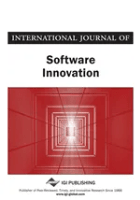
International Journal of Software Innovation
Driving Change Through Software Research and Collaboration.The International Journal of Software Innovation, published by IGI Global, serves as a crucial platform for disseminating cutting-edge research in the field of software engineering and innovation. With its ISSN 2166-7160 and E-ISSN 2166-7179, this journal has a broad scope that encompasses multiple areas of computer science, including Artificial Intelligence, Computer Graphics and Computer-Aided Design, Computer Networks and Communications, Software, and Computer Science Applications. Since its inception in 2017 and continuing until 2024, the journal has established itself in Q4 quartiles across various categories, reflecting both emerging trends and foundational principles in software innovation. Although it does not currently follow an Open Access model, its findings are vital for researchers, professionals, and students aiming to understand and contribute to the evolving landscape of software technologies. Located in the United States at 701 E Chocolate Ave, Ste 200, Hershey, PA 17033-1240, this journal not only offers research insight but also encourages collaboration and knowledge sharing among scholars worldwide.