EARTH-SCIENCE REVIEWS
metrics 2024
Unveiling the depths of our planet's mysteries.
Introduction
EARTH-SCIENCE REVIEWS, published by Elsevier, is a prestigious journal in the field of Earth and Planetary Sciences. With an impressive impact factor and ranked in the Q1 quartile for its category, this journal has established itself as a leading platform for the dissemination of high-quality research and reviews. Spanning topics within general Earth and planetary sciences, the journal provides a unique confluence of interdisciplinary studies, serving researchers, professionals, and students who seek to deepen their understanding and foster advancements in the field. Based in the Netherlands, the journal has been integral to the scholarly community since its inception in 1966, with an ongoing commitment to presenting cutting-edge reviews that propel scientific discussions forward. While it does not offer open access options, its rigorous review process and high-ranking status make it a valuable resource for anyone engaged in earth sciences.
Metrics 2024
 3.6510.8013.00249
Metrics History
Rank 2024
Scopus
IF (Web Of Science)
JCI (Web Of Science)
Quartile History
Similar Journals
Progress in Earth and Planetary Science
Connecting researchers for a sustainable planetary future.Progress in Earth and Planetary Science is a premier open-access journal published by Springer, dedicated to advancing the field of Earth and planetary sciences. Since its inception in 2014, this journal has emerged as a prominent platform, achieving a Q1 ranking in the Earth and Planetary Sciences category, reflecting its high impact and rigorous peer-review process that ensures the highest quality of published research. With its broad scope encompassing diverse subfields within the Earth sciences, the journal aims to foster interdisciplinary collaboration and innovation among researchers, professionals, and students. The journal's commitment to accessibility through its open access model promotes the dissemination of knowledge globally, allowing critical research findings to be shared widely within the scientific community. Located in the United Kingdom, Progress in Earth and Planetary Science continues to play an essential role in shaping the future of Earth and planetary research from 2014 to 2024 and beyond.
Earth Surface Dynamics
Exploring the Forces Shaping Our PlanetEarth Surface Dynamics, published by COPERNICUS GESELLSCHAFT MBH, is a pioneering open-access journal dedicated to the study of geophysical processes and Earth-surface dynamics. Since its inception in 2013, this journal has established itself as a vital platform for disseminating high-quality research in the fields of Earth-Surface Processes and Geophysics, earning a prestigious Q1 ranking in both categories as of 2023. With an impressive Scopus ranking of #33 out of 179 for Earth-Surface Processes and #31 out of 165 for Geophysics, it captures the attention of leading researchers and professionals in the Earth sciences community. The journal is committed to providing a forum for innovative and interdisciplinary research that enhances our understanding of terrestrial environments and their dynamics, making it an essential resource for students, academics, and industry professionals alike. Please visit our journal to explore groundbreaking research and contribute to the ongoing dialogue in the dynamic field of Earth science.
Journal of Asian Earth Sciences-X
Fostering Collaboration for Sustainable Earth SolutionsJournal of Asian Earth Sciences-X, a distinguished publication by ELSEVIER, is at the forefront of Earth and planetary sciences, particularly focusing on the dynamic fields of geology and earth-surface processes. As an Open Access journal since 2019, it provides unparalleled access to high-quality research, fostering global collaboration and dissemination of knowledge. With an impressive impact factor and ranking in the Q2 category for both Earth-Surface Processes and Geology, it serves as a crucial platform for researchers, professionals, and students alike to share their findings and insights. Situated in the United Kingdom, the journal thrives on contributions that enhance our understanding of Asian geosciences within a broader global context, aiming to tackle major challenges such as climate change and natural resource management. By bridging regional studies with global perspectives, the Journal of Asian Earth Sciences-X is not only a vital resource for academia but also supports sustainable development initiatives across the region.
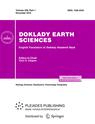
DOKLADY EARTH SCIENCES
Fostering Collaboration in Earth and Planetary DiscoveriesDOKLADY EARTH SCIENCES is a reputable journal published by MAIK NAUKA/INTERPERIODICA/SPRINGER, focusing on the dynamic field of Earth and Planetary Sciences. With an ISSN of 1028-334X and E-ISSN 1531-8354, this journal offers a platform for researchers to disseminate their findings and insights that contribute to our understanding of Earth systems over a continuous publishing span from 1998 to 2024. It currently holds a Q3 quartile ranking in the Earth and Planetary Sciences category, reflecting an emerging yet significant impact within its field, evidenced by its Scopus ranks where it stands at 123rd in general Earth sciences and 113th in miscellaneous Earth sciences. DOKLADY EARTH SCIENCES aims to bridge research gaps and foster collaboration among a diverse audience including researchers, professionals, and students committed to advancing knowledge in geoscience. The journal stands as a vital resource for those seeking to explore contemporary challenges and innovations within the realm of Earth sciences.
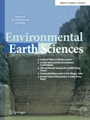
Environmental Earth Sciences
Exploring the intersection of Earth and environment.Environmental Earth Sciences is a prestigious journal published by Springer, dedicated to advancing knowledge in the multifaceted fields of Earth Sciences, including Earth-Surface Processes, Environmental Chemistry, Geology, and Soil Science. With an ISSN of 1866-6280 and an E-ISSN of 1866-6299, this journal occupies a notable position in the academic landscape, consistently ranked in the Q2 category across multiple disciplines in 2023. It supports open access to foster wider dissemination of impactful research, enhancing visibility and accessibility for authors and readers alike. The journal's ongoing commitment to publishing innovative studies and reviews makes it an essential resource for researchers, professionals, and students alike. With a strong focus on addressing contemporary environmental challenges, Environmental Earth Sciences invites contributions that are both original and interdisciplinary, making a significant impact in understanding Earth dynamics and sustainability.
Boletim Paranaense de Geociencias
Bridging Regional Research with Global PerspectivesBoletim Paranaense de Geociencias, published by UNIV FED PARANA, EDITORA, serves as a vital platform for advancing knowledge in the field of Earth and Planetary Sciences, contributing significantly to discussions surrounding geological research and discovery. With an ISSN of 0067-964X, this esteemed journal primarily features studies that reflect regional geological contexts while also addressing wider planetary science issues. Although it currently holds a Q4 category quartile ranking and a 15th percentile in the Scopus rankings within its field, the journal remains committed to disseminating valuable insights and fostering academic discourse. This is of particular significance as it tirelessly updates its publication scope, aiming to include contributions from diverse geological studies both regionally and globally. While it operates on a printed basis, researchers and students alike will find the Boletim’s progressive discussions critical for understanding the dynamic processes shaping our planet.
Boletin de Geologia
Connecting Global Minds Through Geoscience Research.Boletin de Geologia is a prominent open-access journal published by UNIV INDUSTRIAL SANTANDER, dedicated to advancing the field of Earth and Planetary Sciences. Since its transition to open access in 2000, this journal has provided a platform for researchers to disseminate their findings and engage with the global scientific community. With an ISSN of 0120-0283 and an E-ISSN of 2145-8553, it is indexed in Scopus and has secured a notable Q3 ranking in the category of miscellaneous Earth and Planetary Sciences as of 2023, reflecting the impact and relevance of its published articles. The journal's geographical scope, rooted in Colombia, allows it to highlight significant geological research pertinent to the region while also contributing to global discussions. Scholars and practitioners interested in innovative research within this field will find Boletin de Geologia an invaluable resource for unlocking knowledge and fostering collaboration in the geological sciences.
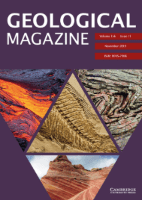
GEOLOGICAL MAGAZINE
Unveiling Earth's Secrets Through Rigorous ResearchGEOLOGICAL MAGAZINE, published by Cambridge University Press, is a premier journal in the field of geology, renowned for its rich legacy since 1864 and ongoing contributions to Earth and Planetary Sciences. With an impressive Q1 ranking in Geology and a Scopus rank of #70 out of 321 journals, it holds a significant position within the academic community, appealing to researchers, professionals, and students alike. The journal covers a wide array of topics, ensuring a comprehensive platform for the dissemination of cutting-edge geological research. Although it does not offer open access, it remains a vital resource for those seeking to stay abreast of advancements in the field. With an enduring commitment to quality, GEOLOGICAL MAGAZINE stands as an essential outlet for scholarly communication and serves as a catalyst for academic discourse within the geological sciences.
Solid Earth Sciences
Transforming knowledge into action for Earth's future.Solid Earth Sciences is a dynamic open-access journal published by Elsevier, dedicated to advancing our understanding of the Earth's subsurface processes and materials. Since its inception in 2016, the journal has established itself as a vital resource for researchers and professionals in the fields of geochemistry, petrology, geology, geophysics, and geotechnical engineering, achieving a notable Q2 ranking in multiple categories as of 2023. With an ISSN of 2451-912X, the journal aims to disseminate high-quality research that enhances knowledge of earth surface processes and the intricate interactions within our planet's systems. The journal is indexed in Scopus, showcasing an impressive rank in various sub-disciplines, with a rank of #96 in Geology and a noteworthy percentile in Earth and Planetary Sciences. Solid Earth Sciences offers a platform for innovative studies, comprehensive methodologies, and cutting-edge technological advancements that cater to a global audience of scientists, academics, and students. With its commitment to open access, it fosters wider dissemination and impact of research outcomes, ensuring that pivotal discoveries reach stakeholders and contribute to real-world applications.
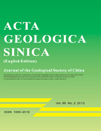
ACTA GEOLOGICA SINICA-ENGLISH EDITION
Pioneering Discoveries in Geology and BeyondACTA GEOLOGICA SINICA-ENGLISH EDITION is a distinguished academic journal published by Wiley, providing a platform for cutting-edge research in the field of geology. With an ISSN of 1000-9515 and E-ISSN 1755-6724, this journal has been a pivotal resource since its inception in 1988, catering to scholars and professionals until 2024. The journal is recognized for its high-quality articles, achieving a Q2 ranking in the field of Geology according to the 2023 category quartiles, and ranks #122 out of 321 in the Scopus Earth and Planetary Sciences sector, placing it within the 62nd percentile among its peers. Although currently not available as an open access publication, it remains a significant repository of knowledge that supports ongoing geological research and exploration. For researchers, students, and professionals looking to deepen their understanding of geological sciences, ACTA GEOLOGICA SINICA-ENGLISH EDITION stands as an essential journal, promoting collaboration and innovation in the earth sciences.