
Ecosistemas
metrics 2024
Connecting research and nature through open access.
Introduction
Ecosistemas is a prominent Open Access journal published by the ASOCIACION ESPANOLA ECOLOGIA TERRESTRE, specializing in the field of ecology. Since its inception in 2001, it has dedicated itself to advancing ecological knowledge and research, fostering an inclusive platform for the dissemination of cutting-edge studies that span ecological interactions, sustainability, and biodiversity. The journal, based in Spain, has established its reputation with notable rankings such as Q3 in the field of Ecology and Q4 in Ecology, Evolution, Behavior, and Systematics, reflecting its commitment to quality research. With a Scopus Ranks position placing it in the 40th and 37th percentiles for its categories, Ecosistemas is integral to the academic community, serving researchers, professionals, and students alike. It provides a vital resource for those seeking to understand ecological dynamics and environmental challenges, facilitating open access to important findings and discussions that shape the future of our ecosystems.
Metrics 2024
 0.240.800.8022
Metrics History
Rank 2024
Scopus
IF (Web Of Science)
JCI (Web Of Science)
Quartile History
Similar Journals
RUSSIAN JOURNAL OF ECOLOGY
Unveiling Insights into Russia's Diverse EcosystemsRUSSIAN JOURNAL OF ECOLOGY, published by PLEIADES PUBLISHING INC, stands as a critical resource within the field of ecology, offering an array of research insights that span various ecological topics. With an ISSN of 1067-4136 and an E-ISSN of 1608-3334, this journal has been consistently disseminating knowledge since its inception in 1996, now converging towards 2024. Despite its current Q4 ranking in the Ecology, Evolution, Behavior and Systematics category, the journal has carved out a niche in the publication landscape, particularly for scholars focused on the rich and diverse ecological phenomena of Russia and surrounding territories. The journal aims to foster interdisciplinary collaboration and innovation by providing a platform for the dissemination of high-quality research. While it currently lacks open access options, readers can expect in-depth studies and analytical discourses that contribute meaningfully to the global understanding of ecological systems. With an impressive Scopus rank, this journal remains an important outlet for researchers, professionals, and students committed to advancing ecological science.
AFRICAN JOURNAL OF ECOLOGY
Unveiling the Secrets of African EcosystemsThe African Journal of Ecology, published by Wiley, is a leading academic journal in the field of Ecology, Evolution, Behavior, and Systematics. Established in 1963 and continuing its vital contributions to the field until 2024, this journal serves as a premier platform for researchers and scholars to share groundbreaking studies that explore the intricate relationships within ecosystems, particularly in the African context. With an impressive Scopus Rank of #423 out of 721 and a Q3 Quartile ranking, it stands as a credible source of scholarly information, gaining recognition among peers for its rigorous peer-review process and impactful publications. While the journal is not open access, it remains influential in driving advancements in ecological research and providing insights vital for conservation efforts and biodiversity studies. Authors and readers alike will find that the African Journal of Ecology not only promotes scientific inquiry but also fosters a deeper understanding of ecological dynamics that affect our world.
FOREST ECOLOGY AND MANAGEMENT
Pioneering Research for Forest ConservationFOREST ECOLOGY AND MANAGEMENT is a premier peer-reviewed journal dedicated to the integral study of forest ecosystems and their management, published by Elsevier in the Netherlands. With an impactful presence in the field, this journal boasts a prestigious Q1 ranking in multiple categories, including Forestry, Management, Monitoring, Policy and Law, and Nature and Landscape Conservation as of 2023. It addresses key issues relevant to sustainable forest practices, conservation strategies, and environmental monitoring, making it a vital resource for researchers, practitioners, and policymakers alike. The journal is indexed with an impressive Scopus rank, placing it among the top tier of titles in Agricultural and Biological Sciences and Environmental Science. While it does not offer Open Access options, its rigorous review process and high visibility make it essential for those seeking to stay abreast of the latest findings and trends in forest ecology and management. Published continuously since 1976, FOREST ECOLOGY AND MANAGEMENT aims to foster interdisciplinary collaboration and advance knowledge critical to the stewardship of forest resources in an ever-changing global landscape.

Folia Oecologica
Unveiling Insights into Our Natural World.Folia Oecologica is a distinguished open-access journal published by WALTER DE GRUYTER GMBH, focusing on critical research in the fields of agricultural and biological sciences, ecology, and forestry. Established as a vital platform for the dissemination of knowledge, this journal has been providing free access to its valuable content since 2017, catering to an international audience engaged in environmental and ecological studies. With its ISSN 1336-5266 and E-ISSN 1338-7014, Folia Oecologica has earned notable ranks in Scopus, placing it in the 62nd percentile for Agricultural and Biological Sciences and the 50th percentile for Environmental Science. The journal's commitment to high-quality research is reflected in its positions in the Q2 and Q3 quartiles across various categories in 2023. As it converges years from 2006 to 2024, Folia Oecologica continues to foster scholarly dialogue and collaboration among researchers, professionals, and students, making significant contributions to the understanding and preservation of our ecological systems.

Ecologies
Connecting research to action in the face of ecological challenges.Ecologies is a dynamic open-access journal published by MDPI, based in Switzerland, which focuses on the interdisciplinary study of ecological and environmental sciences. Since its inception in 2020, the journal has made significant strides in contributing to our understanding of complex ecological interactions, evolutionary processes, and the implications of biological diversity on ecosystem functionality. With its categorization in Q2 for Ecology and various Q3 rankings in related fields, it proudly offers a platform for innovative research that aims to address pressing ecological challenges. Researchers, professionals, and students can benefit from its comprehensive and insightful articles that are freely accessible, ensuring that critical findings are disseminated widely to facilitate informed decision-making and foster collaboration across disciplines. With the impact of climate change and biodiversity loss at the forefront of global discussions, Ecologies plays a pivotal role in shaping the future of ecological research and policy implementation.
Acta Ecologica Sinica
Pioneering research at the intersection of ecology and sustainability.Acta Ecologica Sinica, published by Elsevier, is a prominent journal in the field of ecology, with a strong focus on fostering understanding in ecological principles and their applications. Established in China, this journal holds an impressive Q2 categorization in both Ecology and Ecology, Evolution, Behavior and Systematics as of 2023, positioning it within the top tier of ecological research. With its Scopus rankings placing it in the 81st and 78th percentiles in relevant ecological domains, it serves as a vital platform for researchers and practitioners to disseminate findings that promote ecological sustainability. Although it operates under a traditional access model, its significant impact is underscored by its systematic convergence of key ecological inquiries across multiple years (2006-2008, 2014, 2017-2023). By engaging with the latest empirical studies, theoretical advancements, and methodological innovations, Acta Ecologica Sinica is indispensable for scholars dedicated to advancing ecological knowledge and addressing environmental challenges.
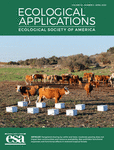
ECOLOGICAL APPLICATIONS
Connecting research to conservation for impactful change.ECOLOGICAL APPLICATIONS, published by WILEY, is a leading journal in the field of ecology, providing a platform for innovative research that addresses the understanding and management of ecological systems. With an ISSN of 1051-0761 and E-ISSN of 1939-5582, it has established itself as a vital resource for ecologists and environmental scientists since its inception in 1991. Ranked in the top quartile (Q1) for Ecology in 2023 and with a Scopus ranking of 40 out of 461 in Environmental Science, ECOLOGICAL APPLICATIONS boasts an impressive impact factor, attesting to its significance and influence in the field. The journal's mission is to publish peer-reviewed articles that contribute to ecological theory and its applications in conservation and environmental management. Researchers, professionals, and students alike will find invaluable insights and the latest developments in ecological research through its comprehensive scope and rigorous scholarship, ensuring a crucial role in shaping future ecological practices and policies.
Neotropical Biodiversity
Unveiling the secrets of biodiversity in the Neotropics.Neotropical Biodiversity is a prominent journal dedicated to advancing our understanding of biodiversity and ecological dynamics within the Neotropical region. Published by TAYLOR & FRANCIS LTD in the United Kingdom, this Open Access journal has been providing unrestricted access to research findings since 2015, fostering collaboration and knowledge sharing among the global scientific community. With an emphasis on innovative research in Ecology, Ecology, Evolution, Behavior and Systematics, and Global and Planetary Change, it has earned a reputation for excellence, currently holding a Q3 category in its field. As of 2023, the journal ranks in the 37th percentile for Environmental Science (Ecology) and in the 36th percentile for Agricultural and Biological Sciences (Ecology, Evolution, Behavior and Systematics), making it a valuable resource for researchers, professionals, and students interested in understanding and preserving biodiversity in one of the world's most diverse ecosystems. We invite you to explore the cutting-edge research published in Neotropical Biodiversity and contribute to the ongoing dialogue for environmental sustainability and ecological resilience.
Contemporary Problems of Ecology
Shaping the Future of Environmental ScienceContemporary Problems of Ecology, published by MAIK NAUKA/INTERPERIODICA/SPRINGER, is a premier journal committed to advancing research in the field of Environmental Science. Since its inception in 2008, this journal has carved a niche for itself in addressing the pressing ecological challenges of our times, catering to an audience comprising researchers, professionals, and students dedicated to the sustainability and environmental health of our planet. The journal is indexed in Scopus, with a current ranking of #165 out of 233 in the Environmental Science category, reflecting its contributions to the academic community, despite its position in the 29th percentile. With the latest quartile ranking placing it in Q3 for miscellaneous Environmental Science from 2023, the journal continues to be a vital resource for disseminating innovative research findings. Contemporary Problems of Ecology promotes open access scholarship and aims to foster a dialogue among experts, making it an essential platform for those looking to engage with contemporary ecological issues and solutions. The journal actively seeks to publish original research articles, reviews, and case studies that push the boundaries of our understanding of environmental systems.
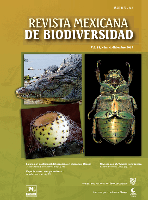
Revista Mexicana de Biodiversidad
Connecting Science and Conservation for a Thriving PlanetRevista Mexicana de Biodiversidad is a prominent academic journal dedicated to the field of biodiversity and conservation, published by the prestigious Instituto de Biología, Universidad Nacional Autónoma de México. Since its inception as an Open Access publication in 2005, it has aimed to disseminate high-quality research that advances the understanding of biological diversity in Mexico and beyond. With an ISSN of 1870-3453 and an E-ISSN of 2007-8706, the journal caters to a diverse audience, including researchers, professionals, and students, by providing vital insights into ecological studies, conservation strategies, and the sustainable management of natural resources. The journal is committed to fostering scientific collaboration and promoting the significance of biodiversity in addressing contemporary environmental challenges. By publishing innovative and impactful research, the Revista Mexicana de Biodiversidad plays an essential role in the global discourse on biodiversity conservation.