FEMS MICROBIOLOGY ECOLOGY
metrics 2024
Unveiling the Hidden Roles of Microorganisms in Ecosystems
Introduction
FEMS Microbiology Ecology is a prestigious journal published by Oxford University Press, specializing in the dynamic field of microbiology and its ecological implications. With an impressive impact factor and consistently ranked in the top quartiles (Q1) across multiple categories—including Applied Microbiology and Biotechnology, Ecology, and Microbiology—this journal serves as an essential resource for researchers and professionals aiming to advance their understanding of microbial interactions within ecosystems. Established in 1990 and spanning to 2024, FEMS Microbiology Ecology delivers cutting-edge research, reviews, and insightful discussions that illuminate the complex roles microorganisms play in environmental health and sustainability. Located in the United Kingdom, this journal provides a global platform for discourse, making significant contributions to both theoretical frameworks and practical applications in the biotech and environmental science sectors. Researchers and students alike will find a wealth of information that not only enriches their knowledge but also inspires innovative solutions for ecological challenges.
Metrics 2024
 1.073.504.20183
Metrics History
Rank 2024
Scopus
IF (Web Of Science)
JCI (Web Of Science)
Quartile History
Similar Journals
Current Research in Microbial Sciences
Championing the Latest Breakthroughs in MicrobiologyCurrent Research in Microbial Sciences is a distinguished peer-reviewed journal published by Elsevier, focusing on the dynamic and rapidly advancing fields of microbiology and infectious diseases. With an ISSN of 2666-5174, this journal has established itself as an essential resource for researchers, professionals, and students alike, offering the latest findings and insights from 2020 to 2024. The journal holds a significant position in the academic landscape, achieving a Q2 ranking across multiple categories, including Immunology and Microbiology, Infectious Diseases, and Medical Microbiology, demonstrating its impact in these critical areas of study. With impressive Scopus rankings—such as being placed in the 94th percentile for Immunology and Microbiology—current research is well-supported by a thriving scientific community. Although the journal is not open access, it serves as a vital platform for disseminating high-quality research and fostering collaboration within the microbial sciences. Engaging with this journal enables professionals and researchers to stay abreast of innovations and contribute to the collective body of knowledge that shapes our understanding of microbial interactions and infectious diseases.
MICROBIAL ECOLOGY
Fostering innovation in microbial ecology research.MICROBIAL ECOLOGY, published by Springer, is a premier journal dedicated to advancing the field of microbial ecology, illuminating the intricate relationships between microorganisms and their environments. Established in 1974, the journal reflects a strong historical commitment to disseminating high-quality research, with its current scope encompassing groundbreaking studies that explore microbial dynamics in various ecosystems. In the 2023 rankings, it has secured a prestigious position in Q1 across multiple categories, including Ecology, Evolution, Behavior and Systematics, and Soil Science, indicating its influential contribution to scientific literature. While it does not offer Open Access, the journal remains highly accessible to researchers and professionals via institutional subscriptions. With an impressive Scopus ranking across significant ecological categories, it serves as an essential resource for academics looking to deepen their understanding of microbial interactions and ecological processes, thereby facilitating innovative research and practical applications in environmental science.
JOURNAL OF GENERAL AND APPLIED MICROBIOLOGY
Unveiling the microscopic world for practical solutions.JOURNAL OF GENERAL AND APPLIED MICROBIOLOGY, published by the MICROBIOL RES FOUNDATION, is a vital resource in the fields of applied microbiology and biotechnology, as well as in diverse medical applications, serving an academic community dedicated to advancing microbial science. Established in 1955, this journal has a rich history of disseminating innovative research and insights into the intricate world of microorganisms. With an ISSN of 0022-1260 and an E-ISSN of 1349-8037, the journal maintains high scholarly standards and robustness, reflected in its 2023 Scopus rankings placing it in the Q3 and Q4 quartiles within its categories. While primarily based in Japan, the journal engages a global audience, offering valuable contributions that inform both theoretical perspectives and practical applications in microbiology. Despite being a non-open-access publication, it provides pivotal research findings essential for academics, professionals, and students alike, fostering a deeper understanding of microbial impact on health and the environment.
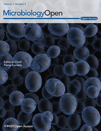
MicrobiologyOpen
Connecting researchers to the pulse of microbiological advancements.MicrobiologyOpen is a prestigious, open access journal published by WILEY, dedicated to advancing the field of microbiology. Since its inception in 2012, this journal has firmly established itself as a significant platform for researchers, professionals, and students alike, facilitating the dissemination of high-quality research findings across a wide range of microbiological disciplines. With an impressive impact factor and a ranking in the 76th percentile of Scopus for immunology and microbiology, MicrobiologyOpen offers a robust forum for innovative studies, reviews, and compelling insights that push the boundaries of scientific understanding. The journal's commitment to open access ensures that groundbreaking research is freely available to the global community, fostering collaboration and knowledge-sharing. As it continues to evolve until 2024, MicrobiologyOpen remains pivotal for anyone looking to stay at the forefront of microbiological research.
WORLD JOURNAL OF MICROBIOLOGY & BIOTECHNOLOGY
Elevating Research in Microbiology and BiotechnologyWORLD JOURNAL OF MICROBIOLOGY & BIOTECHNOLOGY, published by Springer, serves as a pivotal forum for advancing the fields of microbiology and biotechnology since its inception in 1990. Located in the Netherlands, this esteemed journal has secured a prominent position in the academic landscape, recognized for its strong impact factor and prestigious Q2 category rankings across disciplines such as Applied Microbiology, Biotechnology, and Physiological Sciences. Researchers and professionals utilize this journal to disseminate innovative findings and explore emerging technologies that are transforming the scientific landscape. With a robust submission rate and high visibility among the academic community, the journal fosters interdisciplinary collaboration, encouraging discussions that bridge gaps between theory and practical applications. As it converges into 2024, the WORLD JOURNAL OF MICROBIOLOGY & BIOTECHNOLOGY continues to be a vital resource for scholars aiming to enhance our understanding of microbial processes and biotechnological advances.
MICROBIOLOGY
Cultivating Knowledge in Microbial Dynamics and ApplicationsMICROBIOLOGY (ISSN: 0026-2617, E-ISSN: 1608-3237), published by MAIK NAUKA/INTERPERIODICA/SPRINGER, is a pivotal journal in the field of microbiological research, operating from the vibrant hub of New York, United States. With a focus on the intricate relationships and functionalities of microorganisms, MICROBIOLOGY serves as an essential resource for professionals and researchers dedicated to advancing the knowledge of applied microbiology and biotechnology. As of 2023, it holds a competitive Q3 and Q4 category ranking in Applied Microbiology and Biotechnology and Microbiology, respectively, reflecting its commitment to high-quality and impactful research. Although currently not open access, the journal extends comprehensive insights into critical topics that span environmental microbiology, clinical applications, and biotechnology advancements, making it a vital platform for disseminating innovative findings in this ever-evolving discipline. Researchers and students alike will find MICROBIOLOGY to be an invaluable addition to their academic and professional repertoire.

ISME Communications
Advancing Environmental Microbiology for a Sustainable FutureISME Communications is an esteemed journal dedicated to advancing the field of environmental microbiology and its multifaceted intersections with ecology, biogeochemistry, and biotechnology. Published by SpringerNature, this journal aims to disseminate cutting-edge research and innovative insights that address pressing global challenges through interdisciplinary approaches. With a commitment to open access, it provides a platform for researchers, professionals, and students to share their findings widely, fostering collaboration and knowledge exchange. Although the journal is relatively new, its potential for impactful contributions is substantial, making it an essential resource for anyone interested in the microbial processes that underpin ecosystem functioning and sustainability. The journal not only prioritizes the rigorous peer-review process but also supports the academic community's pursuit of excellence in environmental science.

Soil Ecology Letters
Championing Groundbreaking Discoveries in Soil ScienceSoil Ecology Letters, published by SpringerNature, is a premier journal dedicated to advancing the knowledge and understanding of soil ecosystems, their functions, and their vital role in global sustainability. Since its inception in 2019, this leading journal has consistently maintained its prestigious Q1 ranking in Ecology, Evolution, Behavior and Systematics, as well as Soil Science, reflecting its significant impact in the ecological and environmental sciences community. With an impressive Scopus ranking that places it within the top percentile of journals in its field, Soil Ecology Letters provides a platform for researchers and professionals to disseminate their groundbreaking findings. The journal is a vital resource for advancing research in agricultural and biological sciences, offering open access options that promote widespread dissemination of knowledge. With its focus on fostering collaboration and innovation in soil ecology, this journal is essential reading for anyone aiming to deepen their understanding of soil environments and their critical role in ecological health.

AIMS Microbiology
Unlocking the mysteries of microbes, one study at a time.AIMS Microbiology, published by the American Institute of Mathematical Sciences (AIMS), is an esteemed Open Access journal dedicated to advancing the field of microbiology since its inception in 2015. With an ISSN of 2471-1888, the journal aims to disseminate high-quality research and innovative findings pertaining to both fundamental and applied microbiology, encompassing areas such as medical microbiology, immunology, and related life sciences. Recognized for its academic rigor, AIMS Microbiology has achieved a significant standing, evidenced by its current Q2 ranking in both Microbiology and Medical Microbiology categories, along with impressive percentile rankings within prestigious Scopus metrics. Based in the United States, the journal not only emphasizes accessibility and widespread dissemination of knowledge but also plays a crucial role in fostering collaboration among researchers and professionals in the microbiological sciences. By providing a platform for collaborative research and innovative ideas, AIMS Microbiology is poised to influence the future development and application of microbiological research, making it a valuable resource for students, researchers, and practitioners alike.
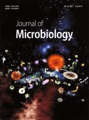
JOURNAL OF MICROBIOLOGY
Connecting global minds in the realm of microbiology.JOURNAL OF MICROBIOLOGY, published by the Microbiological Society Korea, is a prestigious peer-reviewed journal dedicated to the advancement of knowledge in the fields of microbiology, applied microbiology, and biotechnology. Established in 1996, this journal serves as a vital platform for researchers and professionals from around the globe to disseminate their findings and engage in multidisciplinary discussions pertaining to microbial sciences. With an H-index that reflects its impact, the journal holds a commendable Q2 ranking in key categories including Applied Microbiology and Biotechnology, as well as Medicine (Miscellaneous), which underscores its significance in the academic community. Despite being a subscription-based journal, the JOURNAL OF MICROBIOLOGY aims to contribute to the understanding of microbial processes and their applications, facilitating advancements that are essential in health, industry, and environmental sciences. Researchers, students, and practitioners are encouraged to explore this rich resource for the latest research and trends in microbiology.