FISH PHYSIOLOGY AND BIOCHEMISTRY
metrics 2024
Advancing Understanding of Fish Physiology
Introduction
FISH PHYSIOLOGY AND BIOCHEMISTRY, published by Springer, is a leading journal in the fields of aquatic science, biochemistry, and physiology, with an impressive trajectory since its inception in 1986 and continuing through 2024. Operating from the Netherlands, this journal serves as a vital platform for researchers, professionals, and students alike, showcasing innovative studies that explore the physiological and biochemical aspects of fish, contributing significantly to our understanding of aquatic ecosystems and their inhabitants. With a robust impact factor reflected in its Q1 status in Aquatic Science and notable rankings in other relevant categories, FISH PHYSIOLOGY AND BIOCHEMISTRY maintains a strong scholarly influence, evidenced by its Scopus ranking within the top quartiles of various biological sciences disciplines. While the journal does not currently offer open access options, it remains a cornerstone for advancing knowledge and fostering collaboration within the community dedicated to aquatic biology and related fields.
Metrics 2024
 0.642.502.7093
Metrics History
Rank 2024
Scopus
IF (Web Of Science)
JCI (Web Of Science)
Quartile History
Similar Journals

Comparative Biochemistry and Physiology D-Genomics & Proteomics
Exploring the Molecular Frontier: Bridging Genomic and Proteomic SciencesComparative Biochemistry and Physiology D-Genomics & Proteomics, published by Elsevier Science Inc, is a premier journal in the realm of molecular biology and comparative physiology, with a focus on genomic and proteomic sciences. Recognized for its high-impact contributions, it holds a Q1 ranking in Animal Science and Zoology and was established with the vision of bridging gaps in our understanding of biological systems through experimental and comparative approaches. With an impressive Scopus ranking, this journal not only ranks among the top 12% in Animal Science and Zoology but also demonstrates commendable standings across various categories including Aquatic Science and Molecular Biology. The journal’s commitment to disseminating high-quality research makes it an essential resource for researchers, professionals, and students alike, allowing them to access critical studies that influence advancements in genomics and proteomics. While it operates under a traditional subscription model, its impactful findings are crucial for those aiming to enrich their knowledge and research capabilities in these pivotal scientific fields. Join us in exploring the transformative insights and developments that this esteemed journal has to offer for the study of genomics and proteomics.
Aquaculture Reports
Championing Open Access to Aquatic Research InnovationsAquaculture Reports, published by Elsevier, is a prominent open-access journal dedicated to advancing knowledge in the fields of aquaculture, aquatic science, and animal science. Since its inception in 2015, this journal has quickly established itself as a leading platform for high-quality research, achieving a remarkable Q1 ranking in both Animal Science and Zoology and Aquatic Science as of 2023. With a Scopus ranking placing it in the top 7% of journals in Agricultural and Biological Sciences, Aquaculture Reports serves as an essential resource for researchers, professionals, and students alike, facilitating the exchange of innovative ideas and cutting-edge findings. The journal is indexed under ISSN 2352-5134 and is committed to fostering open access, ensuring that the latest research is readily available to the global scientific community. As it converges its years of publication from 2015 to 2024, Aquaculture Reports continues to shape the future of aquaculture research through rigorous peer-reviewed articles and impactful studies.
JOURNAL OF FISH DISEASES
Advancing aquatic health through innovative research.JOURNAL OF FISH DISEASES, published by WILEY, stands as a preeminent peer-reviewed journal in the fields of aquatic science and veterinary medicine. With its ISSN 0140-7775 and E-ISSN 1365-2761, this journal has been a leading platform for disseminating groundbreaking research since its inception in 1978. Recognized for its excellence, it boasts a Q1 ranking in both Aquatic Science and Veterinary (miscellaneous) categories for 2023, affirming its vital role in advancing knowledge in fish pathology and health management. The journal engages a diverse audience of researchers, professionals, and students committed to tackling fish diseases and enhancing aquaculture practices. Although it does not offer open access, the journal ensures high visibility and accessibility to key research findings that impact aquatic ecosystems and veterinary practices globally. With a commitment to fostering innovation, the JOURNAL OF FISH DISEASES continues to shape the future of aquatic health research well into its convergence through 2024.

FISH PATHOLOGY
Connecting researchers to combat fish diseases effectively.FISH PATHOLOGY is a vital journal dedicated to the field of aquatic animal health, published by the Japan Society of Fish Pathology. With a strong publication history dating back to 1967, this interdisciplinary journal aims to promote high-quality research focusing on the pathologies affecting fish and other aquatic organisms. Despite its category quartiles ranking of Q3 in both Animal Science and Zoology and Aquatic Science, the journal maintains a growing presence within the scientific community, holding a respectable position in Scopus rankings. Researchers and professionals looking for deep insights into fish health management and disease pathology will find FISH PATHOLOGY to be an invaluable resource for advancing knowledge and fostering collaboration in this essential area of study. Although the journal does not currently offer open access, its comprehensive analyses and findings are crucial for both academic and practical applications in fisheries and aquaculture worldwide.

Fishes is a premier academic journal dedicated to the exploration and dissemination of cutting-edge research in the fields of aquatic science and ecology. Published by MDPI in Switzerland, this open-access journal has been accessible to researchers globally since its inception in 2016, allowing for the rapid exchange of knowledge that fosters scientific advancement in the study of fish and aquatic ecosystems. With its convergence in the years 2016 to 2024, Fishes proudly holds a notable position in the academic community, evidenced by its category quartile rankings of Q3 in Aquatic Science and Q2 in Ecology for 2023. The journal consistently features innovative research encompassing ecological interactions, conservation strategies, and evolutionary studies within aquatic environments. By integrating interdisciplinary approaches and encouraging contributions from a diverse array of experts, Fishes serves as an invaluable resource for researchers, professionals, and students alike, contributing to the understanding and preservation of our precious aquatic biodiversity.
CELLULAR PHYSIOLOGY AND BIOCHEMISTRY
Exploring the Frontiers of Cellular ResearchCellular Physiology and Biochemistry is a premier Open Access journal published by the prestigious Cell Physiol Biochem Press GmbH & Co, dedicated to advancing research in the fields of physiology, biochemistry, and molecular biology. Since its inception in 1987 and transitioning to an Open Access model in 2013, the journal has established itself as a vital resource for the dissemination of high-quality research and reviews, showcasing innovative methodologies and groundbreaking findings in cellular processes. With an impressive ranking in the 2023 Scopus category as Q2 in Physiology and a robust percentile of 61, Cellular Physiology and Biochemistry is committed to fostering academic dialogue among researchers, professionals, and students alike. This journal not only provides unrestricted access to its articles, but also promotes the global sharing of knowledge, which is essential for the advancement of our understanding in these vital scientific areas. The journal's editorial team is dedicated to ensuring the highest standards of academic rigor and relevance, making it an indispensable addition to the libraries of those engaged in the life sciences.
FISH & SHELLFISH IMMUNOLOGY
Exploring the Frontiers of Aquatic ImmunityFISH & SHELLFISH IMMUNOLOGY is a premier journal dedicated to advancing the understanding of immune responses in fish and shellfish, published by Academic Press Ltd - Elsevier Science Ltd. Since its inception in 1991, this journal has played a crucial role in disseminating cutting-edge research that intersects aquatic science, immunology, and environmental chemistry. With an impressive impact factor reflected by its 2023 rankings, it holds a Q1 quartile in Aquatic Science and Immunology, indicating its significant prestige and influence within the scientific community. The journal not only serves as a vital resource for researchers and professionals in the field but also reaches a broader audience interested in the ecological and health implications of aquatic immunology. Although it follows a subscription model, its extensive reach and high visibility within databases ensure that groundbreaking research and reviews are accessible to those interested in advancing knowledge in these interdisciplinary areas. With ongoing convergence towards 2024 and beyond, FISH & SHELLFISH IMMUNOLOGY remains a central platform for innovative studies that continue to shape the future of aquaculture and environmental sustainability.
ARCHIVES OF PHYSIOLOGY AND BIOCHEMISTRY
Advancing the Frontiers of Physiology and BiochemistryArchives of Physiology and Biochemistry, published by Taylor & Francis Ltd, is a renowned journal that has been pivotal in advancing knowledge and research in the fields of physiology and biochemistry since its inception. With an impact factor reflective of its significant contributions, this journal is categorized in Q2 in Medicine (miscellaneous) and Q3 in Physiology, underscoring its relevance and scholarly impact within the scientific community. The journal publishes original research articles, review papers, and innovative methodologies that explore the intricate relationships between physiological functions and biochemical processes. With its commitment to fostering scientific discourse, the Archives of Physiology and Biochemistry serves as an essential resource for researchers, professionals, and students alike, providing insights and evidence that drive forward the frontiers of medical and physiological science. The journal is accessible in both print and online formats, ensuring that critical research reaches a wide audience.
Journal of Comparative Physiology B-Biochemical Systems and Environmental Physiology
Pioneering Research at the Intersection of Life SciencesJournal of Comparative Physiology B-Biochemical Systems and Environmental Physiology, published by SPRINGER HEIDELBERG in Germany, stands at the forefront of research in the fields of physiology, biochemistry, and ecological systems. With a commitment to fostering interdisciplinary communication, this journal has been a vital resource since its inception in 1974, converging scientific exploration through the lens of biochemical mechanisms and environmental adaptations in animal systems. Renowned for its rigorous peer-review process, it has achieved impressive rankings, including Q2 in Animal Science and Zoology and Ecology, Evolution, Behavior and Systematics, reflecting its substantial impact within these disciplines. The journal aims to disseminate cutting-edge research that advances our understanding of physiological and biochemical processes while addressing contemporary environmental challenges. While currently operating on a traditional access model, the journal's contributions are crucial for researchers, professionals, and students seeking profound insights into the complex interactions between organisms and their environments.
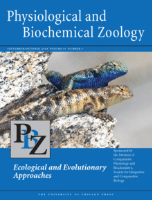
PHYSIOLOGICAL AND BIOCHEMICAL ZOOLOGY
Illuminating the Interplay of Life's Biological SystemsPhysiological and Biochemical Zoology is a distinguished peer-reviewed journal published by University of Chicago Press, focusing on the interrelated fields of animal physiology, biochemistry, and zoology. With a strong commitment to advancing scientific understanding, this journal serves as a vital resource for researchers, professionals, and students alike, providing a platform for the latest findings and advancements in the field. Ranking in the top quartile (Q1) in Animal Science and Zoology as of 2023, and showcasing a substantial convergence of historical data from 1999 to 2023, its impact in the academic community is underscored by its engagement with high-quality research. While it also appears in the third quartile for Biochemistry and Physiology, the journal successfully integrates these disciplines, reflecting the complexity of biological systems. Available for reading via various access options, this journal is essential for anyone seeking to deepen their knowledge or contribute to the field of Zoological sciences.