Friction
metrics 2024
Fostering Innovation through Open Access Research
Introduction
Friction is a renowned peer-reviewed open-access journal published by TSINGHUA UNIVERSITY PRESS, dedicated to the intricate field of Mechanical Engineering and the specialized areas of Surfaces, Coatings, and Films. Since its inception in 2013, the journal has rapidly ascended to prominence, achieving Q1 rankings in both categories as of 2023, thereby securing its place as a leading resource for researchers and professionals alike. With its impressive Scopus rankings—26th out of 672 in Mechanical Engineering and 10th out of 132 in Materials Science—the journal exemplifies outstanding academic rigor and contribution to its field. As part of its commitment to accessibility, Friction offers open access to all published articles, ensuring that groundbreaking research is freely available to scholars and practitioners worldwide. By bridging theoretical insights with practical applications, the journal aims to foster innovation and collaboration within the engineering community and beyond.
Metrics 2024
 1.366.306.6050
Metrics History
Rank 2024
Scopus
IF (Web Of Science)
JCI (Web Of Science)
Quartile History
Similar Journals
Journal of Friction and Wear
Charting New Paths in Friction and Wear StudiesJournal of Friction and Wear, published by PLEIADES PUBLISHING INC, is a pivotal resource in the field of mechanical engineering, with a particular emphasis on the study of friction, wear mechanisms, and their implications in various materials. With an ISSN of 1068-3666 and an E-ISSN of 1934-9386, this journal provides a platform for cutting-edge research and reviews that contribute significantly to our understanding in these areas. Although currently classified under Q3 in both Mechanics of Materials and Surfaces, Coatings and Films, the journal is making strides towards higher rankings, reflecting its growing influence as it publishes comprehensive analyses and innovative findings. Researchers and professionals can access vital studies, offering insights into improving material durability and performance, integral to numerous industries. This journal serves as a key reference point for students and scholars alike, supporting their quest for knowledge in the evolving landscape of material science.
Tribology-Materials Surfaces & Interfaces
Pioneering research at the intersection of engineering and materials science.Tribology-Materials Surfaces & Interfaces is a leading journal dedicated to advancing the field of tribology, leveraging insights into materials, surfaces, and interface interactions. Published by SAGE Publications Inc in the United Kingdom, this journal plays a pivotal role in disseminating high-quality research, providing a platform for both foundational and applied studies in mechanical engineering and materials science. With an impact factor reflecting its significance, ranking in the third quartile for both Materials Science and Mechanical Engineering, it caters to a diverse audience including researchers, industry professionals, and students. Although it currently does not offer open access, the journal endeavors to periodically review and publish innovative studies that enhance understanding of tribological phenomena, thereby contributing to the development of advanced materials and engineering solutions. Since its inception in 2007, Tribology-Materials Surfaces & Interfaces has consistently presented cutting-edge findings, thereby cementing its position as an essential resource for anyone engaging in tribological research.
SAE International Journal of Fuels and Lubricants
Transforming Insights into Industry PracticesWelcome to the SAE International Journal of Fuels and Lubricants, a leading peer-reviewed publication dedicated to advancing knowledge in the crucial fields of fuel technology and lubrication science. Published by SAE International, this journal serves as a vital resource for researchers, industry professionals, and students engaged in the study and application of innovative fuels and lubricants. With an impact factor indicative of its importance, the journal is ranked in the Q3 category for both Fuel Technology and Pollution, highlighting its critical role in addressing global energy and environmental challenges. Covering a range of topics from fundamental research to practical applications, the journal not only contributes to academic discourse but also serves to inform industry practices. Our publication spans the converged years from 2009 to 2024, reflecting a commitment to continuous scholarly contribution. While currently operating under a traditional access model, the journal aims to foster an inclusive environment for discourse in the rapidly evolving fields of energy and environmental science.

Obrabotka Metallov-Metal Working and Material Science
Connecting Global Insights in Metal WorkingObrabotka Metallov-Metal Working and Material Science is a pivotal journal published by Novosibirsk State Technical University, focusing on the dynamic fields of mechanical engineering, mechanics of materials, and the science of metals and alloys. With ISSN 1994-6309 and E-ISSN 2541-819X, the journal serves as a crucial platform for disseminating research from Russia and around the globe. Currently classified in the Q4 category for Mechanical Engineering and Mechanics of Materials, as well as Q3 for Metals and Alloys, it encompasses a wide range of studies from fundamental research to innovative applications. Despite its relatively recent inception in 2019, the journal has established itself with Scopus rankings that highlight its growing influence—Rank #122 out of 176 in Materials Science and Rank #510 out of 672 in Engineering. This journal aims to foster collaboration among researchers, professionals, and students by featuring original articles, reviews, and technical notes that address contemporary challenges in metal processing and material science. As it continues to evolve through 2024, Obrabotka Metallov remains dedicated to enhancing the understanding and application of materials science, making it a significant resource for those invested in the future of engineering and technology.
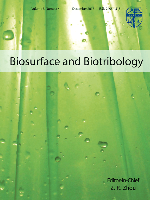
Biosurface and Biotribology
Connecting Engineering and Biophysics for a Sustainable FutureBiosurface and Biotribology, published by WILEY, is an innovative Open Access journal that has been dedicated to advancing the fields of biomaterials, biomedical engineering, and tribology since its inception. With a focus on the surface interactions and tribological behaviors of materials, this journal serves as an essential platform for researchers and professionals eager to explore the intersections of engineering, materials science, and biophysics. While it holds a current categorization in the Q4 quartile for biomaterials and biomedical engineering and a Q3 ranking in mechanical engineering, the journal's commitment to disseminating high-quality, peer-reviewed research contributes to its growing visibility and relevance in the academic landscape. With open access since 2018, it ensures that the latest research is freely available to all, fostering collaboration and innovation. Whether you are a graduate student, a seasoned researcher, or a professional in the field, Biosurface and Biotribology is your gateway to cutting-edge insights and developments that are shaping the future of biomaterials and surface engineering.
MATERIALWISSENSCHAFT UND WERKSTOFFTECHNIK
Exploring the Frontiers of Materials Science.MATERIALWISSENSCHAFT UND WERKSTOFFTECHNIK, published by WILEY-V C H VERLAG GMBH, is a prominent journal dedicated to the field of materials science and engineering. With its ISSN 0933-5137 and E-ISSN 1521-4052, this journal serves as a vital resource for researchers and professionals engaged in exploring the intricate relationships between the properties of materials and their applications. Established in 1970 and continuing through 2024, the journal has been consistently recognized in various categories, achieving a Q3 ranking in 2023 across Condensed Matter Physics, Materials Science (miscellaneous), Mechanical Engineering, and Mechanics of Materials. Although it does not offer open access, its high-quality peer-reviewed content is fundamental to the advancement of knowledge within its three key areas: novel material development, material characterization, and application of materials in engineering contexts. As a driving force in the scientific community, MATERIALWISSENSCHAFT UND WERKSTOFFTECHNIK continues to cater to the curiosity of aspiring students, seasoned professionals, and researchers alike, facilitating a deeper understanding of the complexities of material technology.

Tribology Online
Advancing tribological knowledge for a sustainable future.Tribology Online, published by the Japan Society of Tribologists, is a dynamic open-access journal dedicated to the domain of tribology, encompassing research on surfaces, coatings, and films. Launched in 2013, this journal serves as a crucial platform for disseminating innovative findings in the field, highlighting its commitment to advancing knowledge and practice in tribological science. With an impact factor that places it in the Q3 quartile for the category of Surfaces, Coatings and Films, Tribology Online ranks 93rd out of 132 journals in its field, reflecting a growing engagement from the academic community. Open access since 2017, the journal promotes wide accessibility to research trends and technological advancements, making it an essential resource for researchers, professionals, and students pursuing cutting-edge developments in material sciences. Based in Tokyo, Japan, it aims to connect global experts and contribute to the evolution of tribological knowledge.
SURFACE & COATINGS TECHNOLOGY
Driving Innovation in Chemistry and Materials ScienceSURFACE & COATINGS TECHNOLOGY is a premier academic journal that has been at the forefront of research and innovation since its inception in 1986, diligently published by Elsevier Science SA. With an impressive range of studies focusing on surface and coatings technologies, the journal has established itself as a leading platform within the fields of Chemistry, Condensed Matter Physics, and Materials Science. Notably, it holds a distinguished Q1 ranking in multiple categories, showcasing its relevance and high impact in the academic community. Furthermore, it is recognized for its rigorous peer-review process and is indexed in esteemed databases, maintaining its strong position with a ranking of #17 in Surfaces, Coatings, and Films. Although the journal does not currently offer open access options, it continues to be a crucial resource for researchers, professionals, and students seeking insights into cutting-edge developments and applications in the domain of surface engineering. With a commitment to advancing knowledge across these disciplines, SURFACE & COATINGS TECHNOLOGY is an essential read for anyone interested in the latest trends and technologies shaping the industry.

Jurnal Tribologi
Transforming the understanding of materials through tribological research.Jurnal Tribologi, published by the MALAYSIAN TRIBOLOGY SOC-MYTRIBOS, stands as a pivotal platform for research in the interdisciplinary field of tribology—focusing on the friction, wear, and lubrication of materials. Established in Malaysia and embracing Open Access since 2014, this journal serves a diverse readership and enables worldwide accessibility to cutting-edge research. With an ISSN of 2289-7232, it is indexed across various categories, achieving a commendable Q3 ranking in materials chemistry, mechanical engineering, and several other pertinent fields for 2023. The journal’s commitment to advancing knowledge in its domain is reflected in its circulation of valuable research findings and innovative methodologies, vital for both academic and industry professionals. Researchers, students, and practitioners alike will find Jurnal Tribologi an essential resource, advancing their understanding and application of tribological systems from 2019 to 2024 and beyond.
WEAR
Transforming Understanding of Material InteractionsWEAR is a premier journal published by Elsevier Science SA, specializing in the field of materials science, particularly in the dynamics of wear and friction at the micro and nanoscale. Since its inception in 1957, this esteemed journal has evolved into a critical resource for researchers, professionals, and students alike, showcasing cutting-edge research and developments that significantly impact the disciplines of Condensed Matter Physics, Mechanics of Materials, Materials Chemistry, and Surfaces and Interfaces. With an impressive impact factor and consistently recognized as a Q1 category journal across various Scopus rankings, WEAR ranks in the top tiers of its field, underscoring its importance and influence within the academic community. The journal serves as a vital platform for disseminating innovative findings and applications, fostering scholarly dialogue, and advancing the understanding of material behaviors under wear and friction processes. For those keen on accessing the latest research in these dynamic areas, WEAR is an indispensable resource, promising a comprehensive collection of high-quality articles that reflect the forefront of scientific inquiry.