
Frontiers in Allergy
Scope & Guideline
Transforming understanding of allergic disorders.
Introduction
Aims and Scopes
- Clinical Management of Allergies:
Research covering innovative strategies and protocols for the management of allergic diseases, including asthma, rhinitis, and food allergies, focusing on patient-centered care and real-world applications. - Immunotherapy Advances:
Studies exploring the efficacy and safety of various immunotherapy approaches, including subcutaneous, sublingual, and oral immunotherapy, as well as novel methods such as biologics and nanoparticle-based therapies. - Epidemiological and Environmental Studies:
Investigations into the epidemiology of allergic diseases, including the impact of environmental factors, lifestyle, and socio-economic variables on the prevalence and severity of allergies. - Molecular and Cellular Mechanisms:
Research examining the underlying molecular and cellular mechanisms of allergic responses, including studies on immune mediators, genetic predispositions, and cellular interactions. - Emerging Allergens and Sensitization Patterns:
Identification and characterization of new allergens, including food, drug, and environmental allergens, as well as trends in sensitization patterns across different populations. - Cross-disciplinary Insights:
Integration of insights from various disciplines such as microbiology, genetics, and environmental science to enhance understanding and management of allergic diseases.
Trending and Emerging
- Digital Health and Telemedicine in Allergy Management:
The increasing incorporation of digital tools and telemedicine in allergy management is a prominent theme, reflecting the need for accessible and efficient patient care solutions. - Microbiome and Allergy Interactions:
Research exploring the relationship between the microbiome and allergic diseases is gaining momentum, highlighting the potential for novel therapeutic strategies targeting microbial diversity. - Biologics and Personalized Medicine:
The rise of biologics as a treatment for severe allergic conditions is a key trend, with an emphasis on patient-specific approaches to therapy based on genetic and phenotypic characteristics. - Environmental Change and Allergic Disease:
Studies examining the impact of climate change on allergen exposure and the prevalence of allergic diseases are increasingly relevant, as environmental factors become more recognized in allergy exacerbation. - Food Allergy Innovations:
There is a growing focus on innovative treatments for food allergies, including novel immunotherapy methods and the development of allergy-friendly food products.
Declining or Waning
- Traditional Allergen Testing Methods:
Research related to conventional skin prick testing and serum IgE testing is less frequently featured, as newer, more innovative diagnostic techniques gain traction. - Single-Factor Allergy Studies:
There is a noticeable decrease in studies focusing solely on individual allergens in isolation, as research increasingly emphasizes the complexity of multi-allergen interactions and co-sensitization. - Static Environmental Factors:
Research that solely examines static environmental factors without considering their dynamic interactions with lifestyle and genetic predispositions is becoming less common. - Historical Perspectives on Allergy Management:
Articles focusing on historical treatment approaches or outdated management strategies are declining, signaling a shift towards more evidence-based, contemporary practices.
Similar Journals
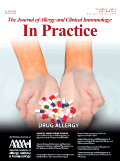
Journal of Allergy and Clinical Immunology-In Practice
Bridging research and practice for better patient outcomes.The Journal of Allergy and Clinical Immunology-In Practice, published by ELSEVIER, stands as a leading platform in the field of allergy and immunology, specifically tailored for practitioners and researchers. With an impressive 2023 Q1 ranking in both the Immunology and Allergy categories, this journal demonstrates a significant impact within the academic community, evidenced by its Scopus rank #41 out of 233 and an impressive percentile rank of 82. The journal focuses on providing advanced studies, clinical findings, and innovative treatment methodologies that address current challenges in allergy and immunology, making it a vital resource for professionals in these fields. With a comprehensive coverage of relevant topics from 2013 to 2024, the journal continues to evolve alongside emerging trends and developments in clinical practice, fostering an environment conducive to scholarly research and application. Although it currently does not offer open access, authors and readers can access a wealth of information and contribute to ongoing dialogues through its robust publication platform.
ALLERGY
Exploring Breakthroughs in Allergic Disease Understanding.ALLERGY is a leading international journal published by WILEY, dedicated to advancing the understanding of allergic diseases and immunology. With an ISSN of 0105-4538 and an E-ISSN of 1398-9995, this esteemed journal has been at the forefront of the field since its inception in 1948 and continues to publish high-quality research up until 2024. Positioned in the Q1 category for both Immunology and Allergy, ALLERGY ranks impressively within the top percentiles of its categories, underscoring its significant impact, as reflected in its Scopus rankings (#11 out of 233 in Immunology and Allergy, and #14 out of 236 in Immunology and Microbiology). Researchers and practitioners accessing this journal can expect a rigorous selection of peer-reviewed articles that address current challenges, innovative therapies, and advancements in the immunological sciences. Although it is not an open-access journal, ALLERGY remains vital for academics, healthcare professionals, and students alike, fostering a deeper understanding of the mechanisms and treatments associated with allergies.
Allergy Asthma & Immunology Research
Pioneering research for a healthier tomorrow.Allergy Asthma & Immunology Research, published by the Korean Academy of Asthma Allergy & Clinical Immunology, is a leading journal dedicated to advancing the fields of immunology, allergy, and respiratory medicine. With an ISSN of 2092-7355 and an E-ISSN of 2092-7363, this esteemed publication has been a cornerstone for researchers and practitioners since its inception in 2009 and continues to disseminate critical findings through till 2024. The journal is ranked in the Q3 category in Immunology and the Q2 category in Immunology and Allergy as well as Pulmonary and Respiratory Medicine, illustrating its impact in these vital fields. With a solid Scopus ranking in multiple sub-disciplines, the journal not only contributes to the scientific discourse but also promotes innovative research and clinical practices. Although currently operating without an open access model, the journal remains highly regarded for its thorough peer-review process and commitment to academic excellence, making it an essential resource for professionals, researchers, and students passionate about advancing knowledge in allergy, asthma, and immunology.

Postepy Dermatologii i Alergologii
Empowering discourse in dermatological and allergic research.Postepy Dermatologii i Alergologii is a distinguished Open Access journal published by TERMEDIA PUBLISHING HOUSE LTD, dedicated to advancing the fields of Dermatology and Immunology and Allergy. Since its inception in 2003, this journal has served as a vital platform for researchers and practitioners alike, promoting knowledge sharing and collaboration in Poland and beyond. With a current impact ranking placing it in the Q3 quartile for both Dermatology and Immunology and Allergy categories, it plays a significant role in contributing to academic discourse within these fields. The journal is indexed in Scopus, with respectable rankings reflecting its relevance and quality—#65/142 in Dermatology and #163/233 in Immunology and Allergy. Researchers are encouraged to explore a vast array of innovative studies and reviews, making it an essential resource for anyone seeking to stay at the forefront of dermatological and allergic research. For those interested in discovering groundbreaking findings and contributing to the ongoing dialogue in these disciplines, Postepy Dermatologii i Alergologii offers not only free accessibility but also a commitment to scholarly excellence.
CLINICAL AND EXPERIMENTAL ALLERGY
Pioneering Insights into Allergic DiseasesCLINICAL AND EXPERIMENTAL ALLERGY is a premier peer-reviewed journal dedicated to advancing the scientific understanding of allergy and immunology. Published by Wiley in the United Kingdom, this esteemed journal maintains a significant impact factor, reflecting its high standards and influential research contributions. With an impressive history since its inception in 1971, the journal is poised to continue leading the discourse in the field until at least 2024. It is ranked in the Q2 quartile for both Immunology and Allergy categories, further highlighting its reputable standing within the academic community. The journal's Scopus rankings showcase its academic relevance, securing the 49th and 51st positions in the Medicine and Immunology categories, respectively. Researchers, professionals, and students will find vital insights and contemporary research trends within its pages, making it an essential resource for those invested in understanding and addressing allergic diseases and disorders.
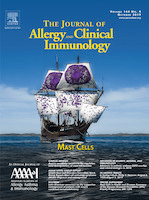
JOURNAL OF ALLERGY AND CLINICAL IMMUNOLOGY
Innovating patient care through cutting-edge immunological insights.JOURNAL OF ALLERGY AND CLINICAL IMMUNOLOGY, published by MOSBY-ELSEVIER, stands as a leading peer-reviewed journal dedicated to advancing the understanding of allergies and immunological conditions. With a notable impact factor and a prominent stature in the academic community, it ranks in the Q1 category for both Immunology and Allergy in 2023, reflecting its significance and high citation rates among researchers. Since its establishment in 1963, the journal has fostered scientific discourse and innovation in the field, positioning itself as an essential resource for both seasoned professionals and emerging scholars. The Scopus rankings underscore its influence, being ranked 12th out of 233 in Immunology and Allergy and 15th out of 236 in Immunology and Microbiology, placing it in the top centile of both categories. The journal aims to disseminate cutting-edge research, reviews, and clinical studies that deepen our understanding of allergic diseases and enhance patient care. While not an open access journal, it provides institutions and individuals with opportunities to stay informed on crucial advancements in the immunological sciences.

ASIAN PACIFIC JOURNAL OF ALLERGY AND IMMUNOLOGY
Championing high-quality research in allergy and immunology.The ASIAN PACIFIC JOURNAL OF ALLERGY AND IMMUNOLOGY, published by the Allergy Immunology Society of Thailand, is a pivotal platform for disseminating high-quality research in the fields of allergy and immunology. Established in 1983, this journal has consistently evolved to address the pressing challenges and advancements in these dynamic disciplines, contributing significantly to the global scientific community's understanding of immunological disorders. With a category ranking of Q3 in Immunology and Allergy, and Q2 in Medicine (miscellaneous) for 2023, the journal stands at the forefront of impactful research, engaging with a diverse audience of researchers, clinicians, and students alike. Although it operates on a non-open access model, its rigorous peer-review process ensures that published articles meet the highest academic standards. Located in Bangkok, Thailand, the journal connects researchers across the Asia-Pacific region, fostering collaboration and innovation to enhance patient care in the realm of allergy and immunology.
CONTACT DERMATITIS
Pioneering Knowledge in Dermatology and ImmunologyCONTACT DERMATITIS, published by WILEY, is a leading international journal focused on the vital field of dermatology, particularly examining the diagnosis, treatment, and management of contact dermatitis and related skin conditions. With origins dating back to 1975 and a planned convergence period extending to 2024, this esteemed journal serves as a crucial resource for researchers, clinicians, and healthcare professionals dedicated to advancing knowledge in dermatological practices. In the latest rankings, it has achieved a commendable Q2 classification in Dermatology and Q3 classification in Immunology and Allergy for 2023, underscoring its significance within these dynamic fields. Moreover, it holds a notable ranking of #29/142 in Medicine & Dermatology and #130/233 in Medicine & Immunology and Allergy according to Scopus metrics, placing it in the top tier of scholarly publications. While the journal operates on a subscription basis, its comprehensive reviews, original articles, and insightful research findings are invaluable for pushing the boundaries of current dermatological and immunological knowledge. By fostering a deeper understanding of the complexities of skin reactions and their implications, CONTACT DERMATITIS plays a vital role in connecting research with clinical practice, making it an essential read for anyone engaged in the field.

Current Allergy & Clinical Immunology
Connecting diverse voices in allergy and immunology.Current Allergy & Clinical Immunology is a vital peer-reviewed journal published by the Allergy Society of South Africa, focused on advancing the field of immunology and allergy medicine. With an ISSN of 1609-3607, this journal offers crucial insights and research findings pertinent to the understanding and treatment of allergic conditions. Operating from South Africa, it features contributions from a diverse range of authors and professionals in the field. Published from 2008 to 2024, the journal plays an essential role in disseminating current knowledge, even as it holds a Q4 ranking in Immunology and Allergy and is positioned at the 4th percentile based on Scopus rankings. While not open access, it remains an important resource for researchers, practitioners, and students looking to stay informed on emerging trends and breakthroughs in allergy and clinical immunology.
INTERNATIONAL ARCHIVES OF ALLERGY AND IMMUNOLOGY
Elevating Allergy and Immunology Research to New Heights.INTERNATIONAL ARCHIVES OF ALLERGY AND IMMUNOLOGY, published by KARGER, is a distinguished journal dedicated to advancing the field of immunology and allergy research. With an ISSN of 1018-2438 and an E-ISSN of 1423-0097, this journal has been a vital resource since its inception in 1950, continuing to publish influential articles through 2024. Hailing from Switzerland, it holds an important position within the Q3 category in Immunology and Allergy and Q2 in miscellaneous Medicine, reflecting its growing impact in the scientific community. The Scopus rankings showcase its relevance, with a 52nd percentile in Immunology and Allergy and 45th in Immunology and Microbiology. Although not an open-access journal, it plays a critical role in disseminating significant findings and innovations in the understanding of allergic diseases and immunological responses. The INTERNATIONAL ARCHIVES OF ALLERGY AND IMMUNOLOGY is essential for researchers, clinicians, and students eager to stay at the forefront of allergy and immunology developments.