
Frontiers in Conservation Science
metrics 2024
Innovative Insights for a Sustainable Planet
Introduction
Frontiers in Conservation Science, published by Frontiers Media SA in Switzerland, is an esteemed open-access journal dedicated to advancing research in the field of conservation science. With an E-ISSN of 2673-611X, this journal aims to facilitate the exchange of knowledge among researchers, professionals, and students by publishing high-quality, peer-reviewed articles that explore innovative solutions to contemporary conservation challenges. Since its establishment in 2020, the journal has rapidly ascended to a Q2 ranking in the Nature and Landscape Conservation category, reflecting its commitment to impactful scholarship, as evidenced by its Scopus rank of #93 out of 211 in Environmental Science and a 56th percentile ranking. By promoting open access, Frontiers in Conservation Science ensures that vital research is widely disseminated, fostering collaboration and informed decision-making in the conservation community. This journal is a crucial platform for those dedicated to understanding and preserving our planet's biodiversity and landscapes.
Metrics 2024
 -1.901.90-
Metrics History
Rank 2024
IF (Web Of Science)
JCI (Web Of Science)
Quartile History
Similar Journals

California Fish and Wildlife Journal
Innovating Strategies for Biodiversity and Habitat PreservationCalifornia Fish and Wildlife Journal, published by the California Department of Fish and Wildlife, is a pivotal platform dedicated to advancing the understanding of fish and wildlife management and conservation. As an open access journal, it fosters collaboration and knowledge sharing among researchers, practitioners, and students interested in aquatic and terrestrial ecosystems. With a focus on empirical research, policy implications, and innovative conservation strategies, the journal plays a crucial role in informing both scientific communities and decision-makers alike. Researchers seeking to contribute to critical discussions on sustainability, habitat preservation, and biodiversity will find this journal an essential resource. The journal’s commitment to disseminating knowledge about California's rich natural resources enhances its stature in the field of wildlife management and conservation studies.
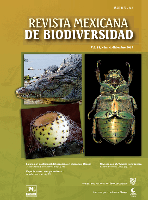
Revista Mexicana de Biodiversidad
Unlocking the Secrets of Mexico's Biological DiversityRevista Mexicana de Biodiversidad is a prominent academic journal dedicated to the field of biodiversity and conservation, published by the prestigious Instituto de Biología, Universidad Nacional Autónoma de México. Since its inception as an Open Access publication in 2005, it has aimed to disseminate high-quality research that advances the understanding of biological diversity in Mexico and beyond. With an ISSN of 1870-3453 and an E-ISSN of 2007-8706, the journal caters to a diverse audience, including researchers, professionals, and students, by providing vital insights into ecological studies, conservation strategies, and the sustainable management of natural resources. The journal is committed to fostering scientific collaboration and promoting the significance of biodiversity in addressing contemporary environmental challenges. By publishing innovative and impactful research, the Revista Mexicana de Biodiversidad plays an essential role in the global discourse on biodiversity conservation.
JOURNAL OF ECOLOGY
Innovating insights into evolution and behavior.JOURNAL OF ECOLOGY, published by Wiley, stands as a leading publication in the field of ecology, evolution, behavior, and plant science, currently positioned in the prestigious Q1 quartile across these categories. Established in 1976, the journal has consistently provided a platform for innovative research and critical discourse related to ecological patterns, processes, and interactions. With its robust Scopus ranking—31st out of 721 in Ecology, Evolution, Behavior and Systematics, and 26th out of 516 in Plant Science—this journal notably reflects the high impact and influence of its articles in the scientific community. Although it does not offer open access options, the journal ensures comprehensive dissemination of pivotal findings to researchers, professionals, and students alike. Located in the United Kingdom at 111 River St, Hoboken, NJ, the JOURNAL OF ECOLOGY remains an essential resource for those dedicated to advancing our understanding of ecological systems and their complexities.
BIOLOGICAL CONSERVATION
Elevating Conservation Efforts with High-Impact Findings.BIOLOGICAL CONSERVATION, published by Elsevier Science Ltd, is a leading international journal dedicated to advancing the science and practice of biological conservation. Since its inception in 1968, the journal has provided a critical platform for researchers, professionals, and students in the fields of Ecology, Evolution, Behavior, and Systematics as well as Nature and Landscape Conservation. With an impressive impact factor, and ranked in the Q1 category within both ecological and conservation domains in 2023, it emphasizes high-quality empirical and theoretical research essential for understanding and addressing pressing environmental challenges. Although it follows a subscription model, the journal is known for its rigorous peer-reviewed articles that contribute significantly to the field, ensuring that the latest findings and methodologies are readily accessible to practitioners. As a vital resource for those engaged in conservation efforts globally, BIOLOGICAL CONSERVATION stands out for its commitment to enhancing knowledge and informing strategies that safeguard biodiversity across ecosystems.
FRONTIERS IN ECOLOGY AND THE ENVIRONMENT
Bridging theory and practice in ecology and the environment.FRONTIERS IN ECOLOGY AND THE ENVIRONMENT, a prestigious journal published by Wiley, serves as a leading platform for disseminating high-quality research in the dynamic fields of ecology, evolution, and environmental science. With an impressive impact factor and ranked in the top tier (Q1) across multiple categories, including Ecology and Ecology, Evolution, Behavior and Systematics, this journal holds an esteemed position in the scholarly community, reflecting its rigorous peer-review process and the significance of its contributions. Boasting a Scopus rank of #11 out of 721 in its primary category and #10 out of 461 in Environmental Science, this journal is at the forefront of ecological research and influences future developments in the field. As an open-access journal, it seeks to promote the widest possible dissemination of research findings, allowing researchers, professionals, and students in the field of ecology and environmental science to stay informed and engaged with the latest advancements from 2003 through to 2024. Located in Hoboken, New Jersey, the journal invites submissions that traverse theoretical and practical aspects of ecology, facilitating collaborative efforts to address pressing environmental challenges.
Nature Conservation-Bulgaria
Advancing ecological knowledge for a sustainable future.Nature Conservation-Bulgaria is a distinguished peer-reviewed journal published by PENSOFT PUBLISHERS, dedicated to advancing the field of conservation through a comprehensive exploration of ecological and environmental issues. Since its inception in 2012, this Open Access journal has cemented its position as an essential resource for researchers, professionals, and students interested in the complex dynamics of ecosystems and biodiversity conservation. With an impressive Q2 ranking in both the Ecology, Evolution, Behavior and Systematics and Nature and Landscape Conservation categories, the journal showcases significant contributions to ecological scholarship, reflecting its commitment to vibrant and impactful research. The journal's coverage extends from 2012 to 2024, and it is indexed in Scopus, where it ranks in the 63rd percentile for key areas within Agricultural and Biological Sciences. With its base in Bulgaria, the journal also aims to highlight regional conservation efforts while maintaining global relevance, making it an indispensable platform for disseminating vital knowledge and fostering collaboration across the scientific community.

Conservation Letters
Empowering Change Through Cutting-Edge Conservation ResearchConservation Letters, published by Wiley, is a premier peer-reviewed journal dedicated to advancing the field of conservation science. As an Open Access journal since 2015, it provides researchers, practitioners, and policymakers with immediate access to cutting-edge research and insights that shape effective conservation strategies globally. With an impressive impact factor and a distinguished standing in the academic community—ranking in the Q1 category in disciplines such as Ecology, Evolution, and Nature Conservation—the journal plays a vital role in disseminating high-quality research that informs environmental practices. Based in the United States, it encompasses a broad scope of topics aimed at bridging scientific findings with real-world applications, effectively contributing to the understanding and preservation of biodiversity. Researchers looking to publish innovative work in an influential platform will find Conservation Letters an essential venue for ensuring their research reaches an engaged international audience.
ORYX
Shaping Conservation Strategies Through Scholarly DiscourseORYX, published by Cambridge University Press, stands as a prestigious scholarly journal in the fields of Ecology, Evolution, and Conservation. With an ISSN of 0030-6053 and E-ISSN 1365-3008, this journal has been a critical platform for researchers and professionals since its inception in 1950. Recognized for its excellence, ORYX ranks in the Q1 quartile for both Ecology, Evolution, Behavior and Systematics and Nature and Landscape Conservation as of 2023, highlighting its influential contributions to the field. With a strong focus on disseminating innovative research and fostering collaboration among scientists, the journal covers a broad array of topics, from biodiversity and ecosystem services to conservation strategies and policy implications. As a result, ORYX provides invaluable insights that help shape the future of environmental science. Its impressive Scopus rankings place it in the top 80th percentile in its categories, further underscoring its importance and appeal among academics, professionals, and students alike.
Global Ecology and Conservation
Unlocking insights for a thriving planet.Global Ecology and Conservation, published by Elsevier, stands as a premier open-access journal dedicated to advancing the field of ecology and conservation science. Since its inception in 2014, the journal has facilitated the dissemination of high-quality research, fostering critical dialogue on ecosystem management, biodiversity preservation, and sustainability practices across the globe. With a remarkable ranking within the top quartiles (Q1) in various categories including Ecology, Evolution, Behavior and Systematics, and Nature and Landscape Conservation, it is positioned among the leading resources for researchers and professionals alike. The journal has garnered a notable impact, ranking #65 out of 721 in Ecology, and houses articles that are vital to understanding and addressing the pressing environmental challenges of our time. Available in an open-access format, researchers can freely access and share vital findings, promoting a collaborative approach to ecological research. Global Ecology and Conservation is not just a publication; it is a critical tool for innovation and advocacy in conservation, poised to inspire the next generation of environmental stewards.
JOURNAL FOR NATURE CONSERVATION
Fostering Knowledge for Nature's ResilienceJOURNAL FOR NATURE CONSERVATION, published by Elsevier GmbH, serves as a pivotal platform for the dissemination of applied and theoretical research in the fields of ecology, nature, and landscape conservation. With an ISSN of 1617-1381 and an E-ISSN of 1618-1093, this esteemed journal has earned a notable reputation, ranking in the Q2 category for both Ecology and Nature and Landscape Conservation in 2023. It is indexed in Scopus with commendable rankings, including #67/211 in Environmental Science - Nature and Landscape Conservation, highlighting its significance within the academic community. The journal’s diverse scope captures the complexities of environmental challenges and offers insights beneficial to researchers, conservationists, and policymakers dedicated to preserving biodiversity and facilitating sustainable practices. Situated in Munich, Germany, the journal has continuously contributed valuable knowledge since its inception in 1991, making it an essential resource for those committed to advancing conservation efforts on a global scale.