
Frontiers in Veterinary Science
metrics 2024
Advancing veterinary practices for a healthier world.
Introduction
Frontiers in Veterinary Science is a premier open-access journal dedicated to the latest advancements and research in the field of veterinary science. Published by FRONTIERS MEDIA SA in Switzerland, the journal has been at the forefront of disseminating high-quality research since its establishment in 2014. With an impressive rank of #15 out of 194 in the general veterinary category and a high percentile of 92nd in Scopus rankings, it is recognized as a leading publication in veterinary medicine and related disciplines, maintaining a prominent Q1 quartile status as of 2023. The journal promotes the wide dissemination of knowledge through its open-access policy, ensuring that researchers, professionals, and students have unrestricted access to critical findings and innovations in veterinary science. Nestled in the vibrant academic landscape of Lausanne, Switzerland, Frontiers in Veterinary Science is not just a journal; it is a vital resource for advancing veterinary practices and improving animal health globally.
Metrics 2024
 -2.603.10-
Metrics History
Rank 2024
IF (Web Of Science)
JCI (Web Of Science)
Quartile History
Similar Journals
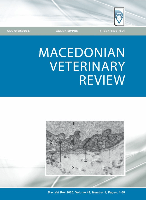
Macedonian Veterinary Review
Fostering knowledge exchange for animal health and welfare.Macedonian Veterinary Review is a prominent open access journal dedicated to advancing the field of veterinary science. Published by SCIENDO, this journal provides a crucial platform for researchers, professionals, and students to share their findings and insights related to veterinary practices, animal health, and welfare. Established with the aim of fostering knowledge exchange since its inception in 2010, the journal has made significant strides, evidenced by its 2023 Scopus ranking of #131 out of 194 in the General Veterinary category, placing it in the 32nd percentile among its peers. The journal's open access model enhances the dissemination of knowledge, ensuring that vital research reaches a wider audience, thereby addressing key issues in the veterinary landscape. With its base in Macedonia and a commitment to high-quality scholarly contributions, the Macedonian Veterinary Review is an essential resource for anyone involved in veterinary research and practice, reflecting the ongoing developments and challenges in this critical field.
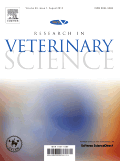
RESEARCH IN VETERINARY SCIENCE
Connecting Researchers for a Brighter Future in Veterinary ScienceRESEARCH IN VETERINARY SCIENCE, published by Elsevier Science Ltd, stands as an authoritative platform in the field of veterinary studies. With its origins dating back to 1965, this prestigious journal is recognized for its contribution to the advancement of veterinary knowledge and practices, boasting a remarkable Q1 categorization in Veterinary (miscellaneous) and ranking 24th out of 194 in the Scopus veterinary general category, placing it in the top 13% of its field. The journal presents a diverse range of research articles that explore critical topics in veterinary science, thereby facilitating evidence-based practices and innovations. Although currently not an open-access journal, it remains highly accessible through institutional and personal subscriptions, allowing researchers, professionals, and students to benefit from its rich collection of studies. As it moves toward 2024, RESEARCH IN VETERINARY SCIENCE continues to be a vital resource for those dedicated to improving animal health and advancing veterinary science.
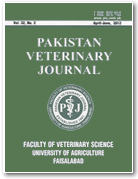
PAKISTAN VETERINARY JOURNAL
Connecting global research to local practices.Pakistan Veterinary Journal (ISSN: 0253-8318, E-ISSN: 2074-7764) is a leading peer-reviewed academic journal published by the University of Agriculture, Faculty of Veterinary Science, situated in Faisalabad, Pakistan. Since its inception, the journal has embraced an Open Access policy, facilitating the dissemination of vital research findings to a global audience and enhancing the visibility of veterinary science. With an impressive Q1 ranking in the veterinary miscellaneous category, the journal ranks #27 out of 194 in the veterinary general field according to Scopus, placing it in the top 14% of the discipline. The scope of the journal encompasses a wide array of topics relevant to veterinary medicine, ensuring that it serves as an essential resource for researchers, professionals, and students alike. By providing a platform for high-quality research from 2009 to 2024, the Pakistan Veterinary Journal continues to play a pivotal role in advancing veterinary science, promoting collaboration among scholars, and addressing contemporary challenges in animal health and welfare.

Abanico Veterinario
Empowering the Veterinary Community Through ResearchAbanico Veterinario is a prominent academic journal dedicated to the field of veterinary science, published by Sergio Martinez Gonzalez. With its ISSN 2007-4204 and E-ISSN 2448-6132, this journal serves as a vital resource for researchers, practitioners, and students interested in the latest advancements and research in veterinary medicine. Although Abanico Veterinario operates on a non-open access model, it provides insightful content that addresses a diverse range of topics such as animal health, veterinary ethics, and innovative practices. The journal aims to promote knowledge sharing and foster collaboration within the veterinary community, ultimately contributing to improved animal care and welfare. With a commitment to excellence and a growing reputation within the field, Abanico Veterinario stands as an essential platform for those seeking to enhance their professional skills and stay abreast of emerging trends in veterinary science.

Large Animal Review
Enhancing the welfare of large animals through research.Large Animal Review is a prestigious academic journal dedicated to advancing the field of veterinary science, particularly focusing on the health and management of large animals. Published by the SIVAR-SOC ITALIANA VETERINARI ANIMALI REDDITO, this journal is an invaluable resource for researchers, practitioners, and students eager to explore innovative methodologies, research findings, and case studies related to veterinary medicine for larger species. With a commitment to quality, Large Animal Review holds a Q3 categorization in the Veterinary (miscellaneous) sector according to the 2023 metrics, indicative of its growing influence within the academic community. The journal benefits from an international readership and is dedicated to fostering interdisciplinary collaborations, making it an essential addition to any professional's library. The journal is accessible through various platforms, ensuring wide distribution of its valuable content, as it strives to enhance the understanding and welfare of large animals across diverse settings.

AUSTRAL JOURNAL OF VETERINARY SCIENCES
Exploring the Frontiers of Veterinary ScienceAUSTRAL JOURNAL OF VETERINARY SCIENCES is a prominent platform for innovative research in the field of veterinary science, published by UNIV AUSTRAL CHILE, FAC CIENCIAS VETERINARIAS. This journal, bearing the ISSN 0719-8000 and E-ISSN 0719-8132, serves as a vital resource for researchers, veterinarians, and students interested in advancing their knowledge in veterinary practices and animal health. With its influence reflected in its Q3 category ranking in the Veterinary (miscellaneous) field, and its Scopus rank of #95 out of 194, the journal highlights a robust commitment to disseminating valuable findings and insights. Between the years 2017 to 2024, it aims to provide open access to significant advancements and discussions in veterinary science, ensuring that vital research is accessible to a global audience. Located in Valdivia, Chile, the journal emphasizes its role in enhancing veterinary scholarship and fostering professional development within the community.

Revista de Investigaciones Veterinarias del Peru
Empowering Veterinary Professionals Through ResearchRevista de Investigaciones Veterinarias del Peru, published by UNIV NACIONAL MAYOR SAN MARCOS, stands as a pivotal resource within the field of veterinary sciences. With its ISSN 1682-3419 and E-ISSN 1609-9117, this journal aims to publish innovative research contributing to the advancement of veterinary practices and animal health. Since its inception in 1999, it has fostered an academic platform for professionals and researchers alike to share findings that are crucial for understanding and improving animal welfare in Peru and beyond. Although currently positioned in the Q3 category of Veterinary (miscellaneous) and ranked #163 out of 194 in the Scopus database, the journal's commitment to quality research and open access to veterinary knowledge continues to attract submissions and readership from a diverse audience. As it moves forward into 2024, the Revista de Investigaciones Veterinarias del Peru remains dedicated to disseminating critical insights that promote evidence-based practices in the veterinary field, stimulating further research and collaboration across continents.

Ankara Universitesi Veteriner Fakultesi Dergisi
Bridging local and global veterinary research communities.Ankara Universitesi Veteriner Fakultesi Dergisi is a prominent academic journal published by ANKARA UNIV, focusing on advancements in veterinary sciences and animal biology. Since its inception, the journal has been committed to disseminating high-quality research, featuring articles that span a variety of topics within veterinary medicine and animal science. With an ISSN of 1300-0861 and an E-ISSN of 1308-2817, this journal provides valuable insights into the latest research developments and trends, making it a critical resource for researchers, professionals, and students in the field. The journal has established itself within the scholarly community, achieving a Q3 rank in Animal Science and Zoology and a Q2 rank in Veterinary (miscellaneous) as of 2023, reflecting its growing relevance and impact. Positioned in Turkey, it serves as a vital platform for both local and international scholars to share innovative findings and foster collaboration. Enhancing its accessibility, the journal's content is available through various academic databases, ensuring that its readership can effortlessly access and engage with cutting-edge research.

EGYPTIAN JOURNAL OF VETERINARY SCIENCE
Empowering animal health through innovative research.Welcome to the Egyptian Journal of Veterinary Science, a pivotal publication dedicated to advancing the field of veterinary science, particularly within the unique context of Egypt and the surrounding regions. Published by the Natl Information Documentation Centre, this journal has been a key scholarly resource since its inception in 1977, focusing on diverse aspects of veterinary medicine, including animal health, nutrition, and management practices. With an impressive editorial commitment and a wide scope covering animal science, equine studies, food animals, and small animal veterinary practice, the journal stands as a critical platform for researchers and professionals alike. While currently categorized in Q4 for Animal Science and Zoology, and achieving Q3 rankings in several other veterinary subfields, it serves as a vital avenue for disseminating innovative research and practical insights. Access to the latest findings and case studies aims to foster improved veterinary practices and enhance animal welfare standards. As we navigate the complexities of veterinary science, the Egyptian Journal of Veterinary Science remains an essential tool for those committed to the health and welfare of animals across various disciplines.

Open Veterinary Journal
Elevating Veterinary Education with Open InsightsOpen Veterinary Journal, published by the University of Tripoli, Faculty of Veterinary Medicine, offers a vital platform for the dissemination of research in the field of veterinary sciences. With an ISSN of 2226-4485 and an E-ISSN of 2218-6050, this journal has been committed to open access since 2011, allowing for unfettered access to its content, which ensures that researchers, practitioners, and students worldwide can benefit from the latest veterinary research findings. Operating from Libya, it has garnered an important position within the academic community, achieving a Q2 quartile ranking in the scope of veterinary (miscellaneous) and maintaining a Scopus rank of 104 out of 194 within the general veterinary category, indicating its growing influence and reach. The journal focuses on a diverse array of topics pertinent to contemporary veterinary practice, aiming to bridge gaps in knowledge and foster collaboration among scholars and practitioners. As it continues to publish original research and reviews, Open Veterinary Journal stands as a crucial resource for advancing veterinary medicine, supporting innovative research, and enhancing educational outcomes within the profession.