
GAYANA
metrics 2024
Fostering a community dedicated to scientific discovery and conservation.
Introduction
GAYANA is a pioneering journal in the fields of Animal Science and Zoology and Aquatic Science, published by EDICIONES UNIV, CONCEPCION in Chile. With an ISSN of 0717-652X and an E-ISSN of 0717-6538, this journal has been at the forefront of research dissemination since its inception in 2006. Recognized in 2023 with a Q4 quartile ranking in both its categories, GAYANA provides a platform for researchers and practitioners alike to explore and publish their findings. Despite its relatively new establishment, the journal has carved a niche in aquatic and animal research, as evidenced by its Scopus ranks in the 12th and 7th percentiles, respectively. With challenges in access options, GAYANA emphasizes the significance of open scholarly communication, fostering an academic environment where knowledge is shared and advanced. Contributing to GAYANA means being part of a growing community dedicated to understanding and conserving our natural world.
Metrics 2024
 0.150.200.6020
Metrics History
Rank 2024
Scopus
IF (Web Of Science)
JCI (Web Of Science)
Quartile History
Similar Journals
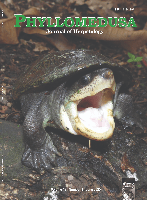
PHYLLOMEDUSA
Empowering researchers to share groundbreaking zoological insights.PHYLLOMEDUSA is a distinguished, peer-reviewed journal dedicated to the fields of Animal Science and Zoology and published by UNIV SAO PAULO, ESALQ in Brazil. With an Open Access model in place since 2002, PHYLLOMEDUSA provides a vital platform for the dissemination of research findings, ensuring that quality scholarly articles are freely accessible to a global audience. The journal currently holds a Q3 classification in its category and ranks #375 out of 490 in Scopus, reflecting its commitment to fostering scientific dialogue and advancing knowledge within the community. Covering a diverse range of topics related to amphibian biology, ecology, and conservation, the journal invites contributions from researchers and professionals alike, empowering them to share innovative insights and collaborative studies that address contemporary challenges in zoological sciences. With a converged publishing timeline extending from 2005 to 2024, PHYLLOMEDUSA remains a pivotal resource for academics, students, and practitioners eager to stay abreast of the latest developments in the field.
ANIMAL CONSERVATION
Advancing Knowledge to Safeguard Our Planet's Biodiversity.Animal Conservation is a prestigious journal that serves as a vital platform for the dissemination of research dedicated to the preservation of wildlife and habitats. Published by Wiley, this journal has established a significant presence in the fields of Ecology and Nature and Landscape Conservation, holding a distinguished Q1 category ranking for both in 2023. With an impressive Scopus rank of #25 in the realm of environmental science, it caters to a global audience keen on understanding and addressing pressing conservation issues. The journal provides researchers, professionals, and students with high-quality, peer-reviewed articles that explore innovative methods and strategies in animal conservation. With its continuous publication since 1998, encompassing a comprehensive range of topics, Animal Conservation is indispensable for anyone aiming to make impactful contributions to the field of ecology and conservation biology.

RUSSIAN JOURNAL OF THERIOLOGY
Cultivating Knowledge in the Biological SciencesRUSSIAN JOURNAL OF THERIOLOGY is a prominent academic journal published by KMK SCIENTIFIC PRESS LTD in collaboration with the esteemed Moscow State University. As a dedicated platform for researchers in the fields of Animal Science and Zoology, Ecology, Evolution, Behavior and Systematics, and Plant Science, this journal strives to advance our understanding of terrestrial ecosystems and their inhabitants. Although it currently holds a Q4 ranking and ranks within the lower percentiles of its respective categories, the journal's consistent publishing output since 2011 showcases a commitment to facilitating scientific discourse and collaboration. Addressed to a diverse audience of researchers, professionals, and students, RUSSIAN JOURNAL OF THERIOLOGY serves as an essential resource for disseminating valuable insights and fostering future advancements in the biological sciences.
JOURNAL OF ZOOLOGICAL SYSTEMATICS AND EVOLUTIONARY RESEARCH
Pioneering Discoveries in Zoology and EcologyThe Journal of Zoological Systematics and Evolutionary Research, published by Wiley-Hindawi, stands as a premier academic journal since its establishment, showcasing cutting-edge research in the fields of Animal Science, Zoology, and Ecology. With an impressive track record spanning from 1963 to the present, this journal has earned a Q1 classification in both Animal Science and Ecology, as well as recognized rankings in Genetics and Molecular Biology. Its impact is highlighted by its Scopus ranks, placing it in the top percentile for relevant categories, underscoring its vital role in advancing knowledge and understanding within these disciplines. Researchers, professionals, and students will find a wealth of high-quality, peer-reviewed articles that contribute to the evolutionary understanding of biodiversity and systematics. Though not an Open Access journal, it remains accessible to a wide audience committed to exploring the intricacies of zoology and evolutionary biology.
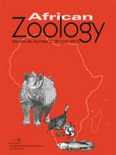
AFRICAN ZOOLOGY
Bridging Science and Conservation in AfricaAFRICAN ZOOLOGY, published by Taylor & Francis Ltd, stands as a significant journal in the realm of Animal Science and Zoology, with a proud history dating back to 1996 and slated to continue until 2024. With an ISSN of 1562-7020 and E-ISSN 2224-073X, this journal provides a reputable platform for researchers and practitioners dedicated to the study of animal biology across the African continent. It has been recognized for its quality scholarship, evidenced by its Q3 categorization in the 2023 Scopus quartile rankings and an impressive rank of #182 out of 490 within its field. As an open-access journal, it facilitates the dissemination of vital research findings and promotes broader accessibility, catering to a diverse audience of professionals, scholars, and students alike. The journal aims to enhance our understanding of wildlife, conservation, and ecosystem dynamics in Africa, fostering collaborations that address critical ecological challenges. For researchers and enthusiasts keen on contributing to and staying informed about advancements in zoological science, AFRICAN ZOOLOGY is an essential resource that enriches the global discourse on biodiversity and conservation efforts.
Current Zoology
Transforming Understanding of Animal LifeCurrent Zoology, published by Oxford University Press, is a leading open-access journal dedicated to advancing the field of zoology and animal science since its establishment in 2009. With an impressive Q1 ranking in Animal Science and Zoology as of 2023, the journal maintains a prominent position within the academic community, supported by a ranking of #138 out of 490 in Scopus. Current Zoology serves as a vital platform for researchers, professionals, and students, showcasing high-quality research that spans a broad array of topics within the domain of zoology. This journal is characterized by its rigorous peer-review process, ensuring the dissemination of credible and impactful findings that contribute to the understanding of animal biology and conservation efforts. The open-access model enhances accessibility, allowing a wider audience to engage with the pivotal research being conducted in this dynamic field. Processing all manuscripts in an efficient manner and featuring articles that push the boundaries of current knowledge, Current Zoology is your gateway to explore innovative discoveries and trends in zoology.
LIMNOLOGICA
Illuminating the Dynamics of Aquatic EnvironmentsLIMNOLOGICA is a prestigious academic journal dedicated to the field of aquatic sciences, published by Elsevier GmbH, a leading global publisher known for its commitment to disseminating high-quality research. With an ISSN of 0075-9511 and an E-ISSN of 1873-5851, the journal has established itself as a vital source of scholarly articles, reviews, and case studies since its inception in 1974. Operating from its base in Munich, Germany, LIMNOLOGICA provides a forum for researchers and professionals to explore contemporary issues in limnology, ensuring important contributions to the understanding of freshwater ecosystems. Recognized in the 2023 rankings, the journal boasts a respectable Q2 quartile in Aquatic Science, ranking #98 out of 247 in Scopus, placing it in the 60th percentile among its peers. While currently not an open-access journal, it continues to attract a wide readership by providing insights into ecological processes, conservation strategies, and the impacts of anthropogenic changes on freshwater environments. This makes LIMNOLOGICA an essential resource for anyone engaged in aquatic research, conservation efforts, and environmental policy development.

Vertebrate Zoology
Pioneering Research in Ecology and EvolutionVertebrate Zoology is a prestigious open-access journal published by the Staatliches Museum Tierkunde Dresden in Germany, focusing on the intricate and diverse field of animal biology. With an ISSN of 1864-5755, the journal has established itself as a vital resource for researchers, professionals, and students in the realms of Animal Science and Ecology, Evolution, Behavior, and Systematics. Since transitioning to open access in 2021, it has expanded accessibility and global dissemination of research findings, showcasing significant studies that contribute to our understanding of vertebrate fauna. The journal's impressive Q1 quartile rankings in both Animal Science and Zoology, as well as Ecology and Evolution, underscore its influence within the academic community—ranking #95 and #220 in their respective categories according to Scopus. Spanning from 2011 to 2024, Vertebrate Zoology aims to provide a comprehensive platform for innovative research, fostering collaboration and advancing knowledge across the biological sciences.
NEW ZEALAND JOURNAL OF ZOOLOGY
Advancing Knowledge in Zoology and Wildlife Studies.NEW ZEALAND JOURNAL OF ZOOLOGY, published by Taylor & Francis Ltd, offers a crucial platform for the dissemination of high-quality research in the field of zoology and animal science. With an ISSN of 0301-4223 and an E-ISSN of 1175-8821, this journal has been a valuable resource since its inception in 1974 and continues to contribute significantly to the academic community, with a converged years span extending to 2024. The journal holds a commendable Q3 ranking in the 2023 category of Animal Science and Zoology, and ranks #175 out of 490 in Scopus, placing it in the 64th percentile of its category. While it is not an Open Access journal, researchers can still access a wide range of studies that delve into various aspects of zoology. With its robust editorial standards and commitment to advancing knowledge in animal science, the NEW ZEALAND JOURNAL OF ZOOLOGY serves as an essential resource for researchers, professionals, and students interested in the complexities of wildlife and ecological studies.

RAFFLES BULLETIN OF ZOOLOGY
Bridging Knowledge Gaps in Zoology and EcologyRaffles Bulletin of Zoology, published by the National University of Singapore's Lee Kong Chian Natural History Museum, serves as a prestigious platform for the dissemination of cutting-edge research in Animal Science and Zoology, as well as Ecology, Evolution, Behavior and Systematics. With a current impact factor reflective of its Q2 category in both fields, this journal not only enhances its visibility in the academic community but also provides valuable insights into the complexities of biodiversity and conservation efforts. Covering a wide array of topics, Raffles Bulletin facilitates interdisciplinary collaboration and serves as an essential resource for researchers, professionals, and students alike. It is indexed in Scopus, ranking #233 out of 490 in Animal Science and Zoology and #406 out of 721 in Ecology, ensuring that the research published contributes significantly to the global discourse on wildlife and ecosystem management. Since its inception in 1996, this journal has bridged gaps in knowledge and continues to foster a deeper understanding of the living world.