
Green Chemical Engineering
metrics 2024
Advancing sustainable solutions for a greener tomorrow.
Introduction
Green Chemical Engineering, an esteemed journal published by KEAI PUBLISHING LTD, plays a pivotal role in advancing the field of sustainable chemical engineering. With an Open Access policy since 2020, this journal facilitates the free exchange of cutting-edge research and innovations that address critical environmental challenges. Based in China, it has rapidly gained recognition with impressive category quartiles, ranking Q1 in numerous relevant fields including Catalysis, Chemical Engineering (miscellaneous), Filtration and Separation, and Process Chemistry and Technology. Its presence in Scopus highlights its significance, with top rankings (e.g., Rank #4/19 in Filtration and Separation) placing it in the upper echelons of chemical engineering literature. Designed for researchers, professionals, and students alike, Green Chemical Engineering aims to foster a collaborative platform for the dissemination of pioneering work that contributes to a greener and more sustainable future.
Metrics 2024
 1.699.109.1021
Metrics History
Rank 2024
Scopus
IF (Web Of Science)
JCI (Web Of Science)
Quartile History
Similar Journals

Trends in Chemistry
Redefining the Landscape of Chemical KnowledgeTrends in Chemistry, published by CELL PRESS, stands at the forefront of the multidisciplinary field of chemistry, offering cutting-edge research and insights that shape contemporary scientific discourse. With its impressive rank of #12 out of 408 in the General Chemistry category of Scopus—placing it in the 97th percentile—this journal represents the pinnacle of academic excellence and innovation. Since its inception in 2019, it has provided a platform for sharing pivotal developments and trends in the chemical sciences, making it an invaluable resource for researchers, professionals, and students alike. Although it operates under subscription access, Trends in Chemistry is dedicated to expanding the frontiers of knowledge and fostering a vibrant academic community. Its Q1 quartile ranking underscores its significance and authority in the field, ensuring that it remains an essential reference point for anyone engaged in the ever-evolving world of chemistry. With its impactful contributions, Trends in Chemistry not only reflects current advancements but also drives future innovation in the discipline.

CHEMIE INGENIEUR TECHNIK
Connecting Theory to Practice in Chemical Engineering.CHEMIE INGENIEUR TECHNIK, published by WILEY-V C H VERLAG GMBH, stands as a significant academic journal in the fields of Chemical Engineering, Chemistry, and Industrial and Manufacturing Engineering. With an ISSN of 0009-286X and an E-ISSN of 1522-2640, this esteemed journal has been contributing to the body of knowledge since 1949 and plans to continue its legacy until 2024. Notably, the journal holds a Q2 quartile ranking in 2023 across various categories, illustrating its recognized impact and relevance within the scientific community, with Scopus ranks indicating it falls within the top 60th to 51st percentiles of its respective fields. Although currently not open access, CHEMIE INGENIEUR TECHNIK provides readers with comprehensive insights into contemporary research, technological advancements, and practical applications, making it an essential resource for researchers, professionals, and students who are keen to stay abreast of developments in chemical processes and engineering advancements.
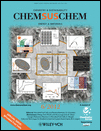
ChemSusChem
Transforming Challenges into Sustainable InnovationsChemSusChem is a premier interdisciplinary journal, published by WILEY-V C H VERLAG GMBH, that focuses on the critical fields of Chemical Engineering, Energy, Environmental Chemistry, and Materials Science. Since its inception in 2008, the journal has consistently maintained a Q1 ranking across multiple categories, highlighting its role as a vital resource for researchers and professionals dedicated to advancing sustainable chemical processes and technologies. With an impressive impact factor, it ranks 12th in General Chemical Engineering and is highly regarded within its scopes, indicating the journal's commitment to publishing high-quality, innovative research that addresses global challenges in energy and environmental sustainability. Though it operates on a subscription model, its contributions are essential for those in academia and industry seeking cutting-edge developments in sustainable chemistry. As it approaches its convergence span through 2024, ChemSusChem continues to shape the future of sustainable chemistry, making it a must-read for students, researchers, and practitioners alike.

BioResources
Pioneering research for a greener tomorrow with biomaterials.BioResources is a pioneering open access journal launched in 2006, dedicated to disseminating knowledge at the intersection of bioengineering, environmental engineering, and waste management. Published by NORTH CAROLINA STATE UNIVERSITY DEPARTMENT OF WOOD & PAPER SCIENCE, this journal serves as a vital platform for researchers and professionals to explore the sustainable use of biomaterials and renewable resources. With an impact reflected through its Scopus rankings, including a respectable position in the 2023 quartile rankings across several relevant categories, BioResources is committed to advancing scientific discourse and enhancing the understanding of bioresource utilization. The journal not only supports high-quality research but also encourages contributions that shape environmental policies and practices. Accessible globally, it invites active participation from scholars aiming to contribute to a more sustainable future. Researchers, professionals, and students alike will find valuable insights and groundbreaking research within its pages as it continues to foster knowledge and innovation in the field.

Applied Chemistry for Engineering
Empowering Engineers with Applied Chemistry InsightsApplied Chemistry for Engineering, published by the Korean Society of Industrial and Engineering Chemistry, is a vital resource for researchers and professionals engaged in the realms of chemical engineering and applied chemistry. With an ISSN of 1225-0112 and an E-ISSN of 1228-4505, this journal serves as a platform for innovative research that spans diverse applications within these fields. Although currently not classified under open access, it provides critical insights and advancements to its audience, contributing to the ongoing discourse in the industry. The journal's significance is underscored by its rankings in Scopus, where it resides in the Q4 category for both Chemical Engineering and Chemistry, evidencing its commitment to publishing relevant studies despite its emerging status. As it continues to grow through the converged years from 2007 to 2024, Applied Chemistry for Engineering aims to bridge the gap between theoretical research and practical engineering solutions, making it an essential tool for students, researchers, and professionals alike.

Chemical Engineering Journal Advances
Empowering Global Collaboration in Chemical Engineering Advancements.Chemical Engineering Journal Advances, published by Elsevier, is a premier open-access journal dedicated to advancing research and innovation in the field of chemical engineering. With its inception in 2020, the journal has quickly established itself as a key player in disseminating high-quality, peer-reviewed articles, boasting an impressive Q1 ranking in Chemical Engineering and related disciplines for 2023. The journal covers a broad spectrum of topics, including industrial processes, environmental chemistry, and innovative manufacturing techniques, making it essential reading for researchers and professionals aiming to stay at the forefront of chemical engineering advancements. With its commitment to open access, Chemical Engineering Journal Advances ensures that groundbreaking research is readily available to the global scientific community, fostering collaboration and knowledge exchange. Situated in the Netherlands, the journal supports its authors with a robust platform for impactful research dissemination, highlighted by a solid position in the Scopus ranks, indicating its influence and relevance in the field.
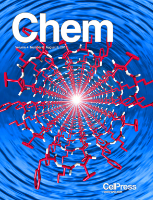
Chem
Exploring the Depths of Biochemistry and BeyondChem, published by CELL PRESS, is a renowned academic journal that has rapidly established itself as a leading platform for cutting-edge research in diverse areas such as biochemistry, chemical engineering, materials chemistry, and environmental chemistry. Released under the ISSN 2451-9294, this esteemed journal has achieved an impressive Q1 category ranking across multiple disciplines in 2023, highlighting its significant impact and prominence within the academic community. With a strong focus on innovative studies and interdisciplinary approaches, Chem fosters a vibrant dialogue among researchers, professionals, and students, making it an indispensable resource for those seeking to advance their knowledge and contribute to the evolving field of chemistry. As an open access journal, it aims to democratize knowledge, ensuring that critical research is accessible to a global audience. With its headquarters based in Cambridge, MA, it continues to lead the charge in the dissemination of pivotal findings that shape our understanding of chemical sciences.
BULLETIN OF THE KOREAN CHEMICAL SOCIETY
Showcasing impactful studies in the world of chemistry.BULLETIN OF THE KOREAN CHEMICAL SOCIETY, published by WILEY-V C H VERLAG GMBH, is a prominent journal in the field of chemistry, with a specific emphasis on miscellaneous chemical research. With an ISSN of 0253-2964 and E-ISSN 1229-5949, this journal serves as a pivotal platform for researchers, professionals, and students who are eager to showcase innovative studies that address both foundational and emerging topics in the discipline. Boasting a commendable Q2 ranking in the 2023 chemistry quartiles, the journal ranks within the top 50th percentile in Scopus, reflecting its commitment to high-quality scientific discourse. The content published within its pages from 1996 to 2024 covers a vast array of subjects, ensuring a multidisciplinary approach to chemical research. The journal’s impact in the academic community is underscored by its accessibility to a global audience, making it an essential resource for those wishing to stay at the forefront of chemical advancements.

Chem Catalysis
Connecting researchers to the pulse of catalysis advancements.Chem Catalysis is a leading academic journal published by CELL PRESS, specializing in the diverse and dynamic field of chemistry. Since its inception in 2021, this open-access journal has rapidly ascended to prominence, holding Q1 quartile rankings in prestigious categories including Chemistry (Miscellaneous), Organic Chemistry, and Physical and Theoretical Chemistry. With its Scopus rankings placing it in the top tiers—Rank #14 in Organic Chemistry and Rank #12 in Miscellaneous Chemistry—Chem Catalysis serves as a vital platform for disseminating innovative research and catalysis science. Researchers and professionals seeking to stay abreast of cutting-edge developments will find this journal indispensable for advancing their knowledge and contributions to the field. Located in Cambridge, Massachusetts, Chem Catalysis is committed to fostering collaboration and innovation in the chemical sciences, paving the way for breakthroughs that address global challenges.
Indian Chemical Engineer
Connecting Research and Practice in Chemical Engineering.Indian Chemical Engineer, published by Taylor & Francis Ltd, stands as a reputable journal in the field of chemical engineering, encompassing a wide range of topics pertinent to both academia and industry. With an ISSN of 0019-4506 and an E-ISSN of 0975-007X, this journal has been a key resource for researchers and professionals since its inception in 1992, undergoing a significant evolution from 2009 to 2024. Currently ranked in the Q3 category of chemical engineering (miscellaneous) in 2023, it reflects a dedicated commitment to disseminating innovative research and insights within the discipline. The journal is indexed in Scopus, achieving a rank of 148 out of 273, which denotes its growing influence in the field with a 45th percentile placement. Although currently not an open-access publication, it offers valuable content that contributes extensively to the advancement of chemical engineering research and education. Researchers, professionals, and students alike are encouraged to engage with this publication to stay at the forefront of industry advancements and academic discussions.