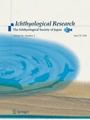
ICHTHYOLOGICAL RESEARCH
metrics 2024
Advancing knowledge for sustainable aquatic ecosystems.
Introduction
Ichthyological Research is a prominent journal in the field of ichthyology, focusing on the biology, ecology, and conservation of fish species and their habitats. Published by Springer Japan KK, this journal has been a significant contributor to aquatic research since its inception in 1996 and will continue to disseminate cutting-edge findings through 2024. With an Impact Factor that places it within Q2 of the Ecology, Evolution, Behavior, and Systematics category, it ranks #318 out of 721 in Scopus, situating it in the 55th percentile of its field. This journal serves as a valuable resource for researchers, professionals, and students, offering open access to vital studies that drive forward our understanding of fish ecology and biodiversity. Located in Tokyo, Japan, Ichthyological Research aims to bridge gaps between theoretical research and practical application, emphasizing the conservation of aquatic ecosystems.
Metrics 2024
 0.430.600.8040
Metrics History
Rank 2024
Scopus
IF (Web Of Science)
JCI (Web Of Science)
Quartile History
Similar Journals

CALIFORNIA FISH AND GAME
Exploring California's Aquatic WondersCalifornia Fish and Game is a prominent journal dedicated to the fields of Animal Science and Aquatic Science, published by the California Fish and Game Editor. With its roots extending back to 1979, the journal has served as a vital platform for disseminating research focused on the wildlife and aquatic ecosystems of California and beyond. Recognized within the Q4 quartile for both Animal Science and Zoology and Aquatic Science, it provides critical insights and scholarly contributions, despite its comparative rankings within the respective categories. The journal, with an ISSN of 0008-1078 and an E-ISSN of 2331-0405, offers an invaluable resource for researchers, professionals, and students alike, looking to deepen their understanding of California's rich biodiversity and ecological challenges. For those interested in open access options, further details can be reviewed through the journal's platform. By fostering a community of inquiry, California Fish and Game plays an essential role in advancing knowledge and conservation efforts in the fields of interest.
Egyptian Journal of Aquatic Research
Driving excellence in aquatic research and innovation.Welcome to the Egyptian Journal of Aquatic Research, a premier peer-reviewed academic journal published by ELSEVIER, dedicated to advancing the field of aquatic sciences. With a robust impact factor and recognition as a Q1 journal in key categories such as Aquatic Science and Ecology, this open access journal has established itself as a vital platform for disseminating high-quality research since its inception in 2012. The journal aims to provide comprehensive coverage of topics including ecology, evolutionary biology, and water science, making it a crucial resource for researchers, professionals, and students engaged in these dynamic fields. With Scopus rankings placing it in the top echelons of various categories, the Egyptian Journal of Aquatic Research fosters innovation, collaboration, and knowledge dissemination on a global scale, making it an indispensable asset for anyone invested in understanding and preserving aquatic systems.

ACTA ICHTHYOLOGICA ET PISCATORIA
Connecting aquatic life and scientific innovation.ACTA ICHTHYOLOGICA ET PISCATORIA is a distinguished peer-reviewed journal dedicated to the field of ichthyology and fisheries science, published by PENSOFT PUBLISHERS since its establishment as an open-access publication in 1970. Based in Poland, this journal serves as an essential platform for researchers, professionals, and students aiming to contribute to the scientific understanding of aquatic life. With an impressive H-index reflecting its growing influence, ACTA ICHTHYOLOGICA ET PISCATORIA is currently ranked in the Q3 quartile within both the Animal Science and Zoology and Aquatic Science categories. According to Scopus, it holds a rank of #227 in Animal Science and Zoology and #147 in Aquatic Science, demonstrating its relevance and contribution to these fields. The journal’s commitment to open access ensures that research findings are widely disseminated, fostering collaboration and knowledge sharing among the scientific community. With a historical scope extending from 1996 to 2024, ACTA ICHTHYOLOGICA ET PISCATORIA remains a vital resource for advancing aquatic research and fostering new insights into the complexities of fish biology and fisheries management.
Knowledge and Management of Aquatic Ecosystems
Advancing Solutions for Sustainable Aquatic EcosystemsKnowledge and Management of Aquatic Ecosystems, published by EDP SCIENCES S A, is a premier open-access journal dedicated to the interdisciplinary study of aquatic ecosystems. With an ISSN of 1961-9502 and an impressive history since 1928, this journal serves as a vital resource for researchers and professionals in the fields of Ecology, Aquatic Science, Water Science and Technology, and Nature Conservation. The journal has consistently achieved high rankings, including a Q2 classification in multiple categories, which underscores its significant contribution to the evolving landscape of aquatic research. With access options that promote widespread dissemination of knowledge, Knowledge and Management of Aquatic Ecosystems aims to bridge gaps in research, policy, and practical applications, making it an invaluable asset for students, researchers, and policymakers aiming for impactful solutions in aquatic management and conservation.

INDIAN JOURNAL OF FISHERIES
Advancing aquatic science for sustainable fisheries.Welcome to the Indian Journal of Fisheries, an esteemed publication of the Central Marine Fisheries Research Institute, dedicated to advancing the field of aquatic sciences. Established in 1974, this journal serves as a crucial platform for researchers, professionals, and students interested in the dynamics of fishery research within the Indian context and beyond. With an impact factor highlighting its rigorous peer-review standards, the journal publishes research that significantly contributes to the understanding of fisheries management, conservation, and sustainable practices. Although currently categorized in Q4 for Aquatic Science (2023) and ranked #215 out of 247 in Scopus, its increasing visibility demonstrates the journal's dedication to enriching the scientific discourse surrounding aquatic ecosystems. Located in Kochi, India, and published intermittently from 1977 to 2024, it seeks to bridge knowledge gaps while promoting innovative methodologies in fishery sciences. While not an open-access journal, it fosters a vital exchange of scholarly work that informs fishing practices, policy, and ecological considerations vital to both national and global fisheries. Join us in exploring the intricate world of fisheries through our comprehensive collection of research articles, reviews, and case studies.

RAFFLES BULLETIN OF ZOOLOGY
Connecting Insights in Zoology and ConservationRaffles Bulletin of Zoology, published by the National University of Singapore's Lee Kong Chian Natural History Museum, serves as a prestigious platform for the dissemination of cutting-edge research in Animal Science and Zoology, as well as Ecology, Evolution, Behavior and Systematics. With a current impact factor reflective of its Q2 category in both fields, this journal not only enhances its visibility in the academic community but also provides valuable insights into the complexities of biodiversity and conservation efforts. Covering a wide array of topics, Raffles Bulletin facilitates interdisciplinary collaboration and serves as an essential resource for researchers, professionals, and students alike. It is indexed in Scopus, ranking #233 out of 490 in Animal Science and Zoology and #406 out of 721 in Ecology, ensuring that the research published contributes significantly to the global discourse on wildlife and ecosystem management. Since its inception in 1996, this journal has bridged gaps in knowledge and continues to foster a deeper understanding of the living world.

Journal of Fisheries
Illuminating the path to sustainable fishing practices.The Journal of Fisheries, an esteemed publication by BDFISH, serves as a pivotal platform for disseminating cutting-edge research in the field of fisheries science. With its commitment to Open Access since 2013, the journal ensures that vital knowledge is accessible to researchers, professionals, and students worldwide, promoting widespread dissemination of fishery-related discoveries. By featuring high-quality peer-reviewed articles, the Journal of Fisheries aims to advance the understanding of aquatic ecosystems, sustainable fishing practices, and the broader implications of fisheries on biodiversity and food security. Located at the Dept of Fisheries, University of Rajshahi, Bangladesh, this journal plays a crucial role in fostering academic dialogue and collaboration, contributing significantly to the growth and development of fisheries research globally.

CRUSTACEANA
Pioneering Research in Animal and Aquatic SciencesCRUSTACEANA, published by BRILL, stands as a pivotal resource in the field of Animal Science and Zoology as well as Aquatic Science, with a focus on advancing the understanding of crustacean biology, ecology, and evolution. With an ISSN of 0011-216X and an E-ISSN of 1568-5403, this journal has been curating significant research since its inception in 1960 and continues to contribute scholarly knowledge up to 2024. Although it operates without an Open Access option, CRUSTACEANA holds a commendable Q3 ranking in both the Animal Science and Aquatic Science categories for 2023. Furthermore, it consistently provides insightful articles that enrich the academic dialogue surrounding aquatic ecosystems, making it a valuable platform for researchers, professionals, and students alike.

Turkish Journal of Fisheries and Aquatic Sciences
Advancing aquatic knowledge for a sustainable future.Turkish Journal of Fisheries and Aquatic Sciences, published by the CENTRAL FISHERIES RESEARCH INST, is a key resource in the fields of Fisheries and Aquatic Sciences, catering to a global community of researchers and professionals. With its ISSN 1303-2712 and E-ISSN 2149-181X, this journal offers an engaging platform for the dissemination of high-quality research from Turkey, covering critical topics within Animal Science and Aquatic Science. As a third quartile journal in both categories (Q3, 2023), it provides valuable insights, contributing to a growing body of literature that addresses aquatic ecosystems, fisheries management, and biodiversity conservation, thereby enhancing the sustainability of aquatic resources. The journal has shown considerable impact, ranking 144th in Animal Science & Zoology and 116th in Aquatic Science within Scopus, reflecting its relevance and credibility within the academic community. Operating from 2008 to 2024, it invites open access submissions to foster collaboration and knowledge sharing among scientists, students, and practitioners alike, reinforcing its dedication to advancing the science of aquatic ecosystems.
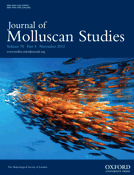
JOURNAL OF MOLLUSCAN STUDIES
Exploring the depths of molluscan biology and conservation.JOURNAL OF MOLLUSCAN STUDIES, published by Oxford University Press, is a preeminent academic journal dedicated to advancing the understanding of molluscan biology, ecology, and conservation. With an ISSN of 0260-1230 and E-ISSN of 1464-3766, this journal is pivotal in shaping the field of molluscan research, offering a platform for original articles, reviews, and critical discussions from both fundamental and applied perspectives. As a testament to its quality, the journal is categorized in the second quartile (Q2) for both Animal Science and Zoology, and Aquatic Science, reflecting its significance within the scientific community, as evidenced by its Scopus ranks. The journal serves a diverse audience including researchers, professionals, and students, enriching their understanding of molluscan species and their ecological roles, as well as highlighting conservation efforts essential for biodiversity. Spanning an extensive publication history since 1899, the JOURNAL OF MOLLUSCAN STUDIES continues to be a vital resource for those dedicated to the study of mollusks in all their forms.