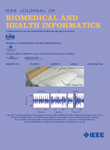
IEEE Journal of Biomedical and Health Informatics
metrics 2024
Pioneering Research at the Forefront of Biomedical Informatics
Introduction
IEEE Journal of Biomedical and Health Informatics is a premier publication dedicated to advancing the field of biomedical and health informatics. Published by the esteemed IEEE-Inst Electrical Electronics Engineers Inc, this journal boasts a notable impact within various disciplines, ranking in the top quartile (Q1) across key categories such as Biotechnology, Computer Science Applications, Electrical and Electronic Engineering, Health Informatics, and Health Information Management as of 2023. With a strong Scopus ranking—placing it at #11 in Health Informatics and #6 in Health Information Management—it serves as a vital resource for cutting-edge research and innovative practices. Open Access options enhance accessibility, fostering collaboration among researchers, professionals, and students. Since its inception in 2013, the journal has been committed to publishing high-quality, peer-reviewed articles that explore the pivotal intersection between technology and healthcare, thereby contributing significantly to the evolution of medical practices and patient care.
Metrics 2024
 1.966.707.10156
Metrics History
Rank 2024
Scopus
IF (Web Of Science)
JCI (Web Of Science)
Quartile History
Similar Journals
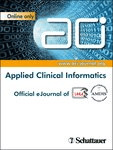
Applied Clinical Informatics
Integrating technology and clinical practice for a healthier tomorrow.Applied Clinical Informatics is a leading journal dedicated to the expanding field of health informatics and its applications within clinical settings. Published by GEORG THIEME VERLAG KG in Germany, this journal serves as a pivotal platform for researchers and professionals engaged in the integration of technology and healthcare, aiming to improve patient outcomes through innovative informatics solutions. With a solid Q2 ranking in multiple disciplines including Computer Science Applications, Health Informatics, and Health Information Management, it reflects its prominent position in the academic landscape. The journal provides accessible content while fostering dialogue on key issues and advancements in clinical informatics. Covering a wide array of topics from data management to e-health applications, Applied Clinical Informatics is essential reading for those looking to stay attuned to the latest research and developments from 2009 to 2024, enriching the knowledge base of students, professionals, and researchers worldwide.

Biomedical Signal Processing and Control
Empowering research at the intersection of engineering and health.Biomedical Signal Processing and Control is a premier academic journal published by ELSEVIER SCI LTD that stands at the forefront of the rapidly evolving fields of biomedical engineering, health informatics, and signal processing. With an impressive impact factor reflecting its scholarly influence and high standards of research, this journal has been recognized in the Q1 quartile category across multiple disciplines as of 2023. Specifically, it holds esteemed positions within Biomedical Engineering, Health Informatics, and Signal Processing, where it ranks in the top tier of its field on Scopus: #19/131, #21/138, and #47/303 respectively. Published continually from 2006 to 2024, the journal serves as a critical platform for researchers, healthcare professionals, and students, fostering innovation in signal processing techniques and their applications in biomedical systems. Access to cutting-edge research and methodologies makes it an indispensable resource for advancing knowledge and practice within these interdisciplinary domains.

Healthcare Informatics Research
Pioneering the future of health informatics research.Healthcare Informatics Research, published by the Korean Society of Medical Informatics, is a leading open access journal that has been advancing the field of healthcare informatics since its inception in 2010. With an ISSN of 2093-3681 and E-ISSN of 2093-369X, the journal provides a vital platform for disseminating high-quality research aimed at improving healthcare systems through innovative informatics solutions. Recognized for its contributions, it holds a Q2 rank in Biomedical Engineering and Q3 rankings in both Health Informatics and Health Information Management for 2023, reflecting its stature within the academic community. The journal is committed to open access, ensuring that research is freely accessible to researchers, professionals, and students worldwide, thus promoting knowledge sharing and collaboration. Located in the dynamic city of Seoul, South Korea, the journal serves as a hub for groundbreaking studies that impact health systems globally, making it an essential resource for those at the forefront of healthcare technology and management.

Biocybernetics and Biomedical Engineering
Leading the Charge in Biocybernetic ResearchBiocybernetics and Biomedical Engineering, published by ELSEVIER in the Netherlands, is a prestigious journal that stands at the forefront of the intersecting fields of biomedical engineering and artificial intelligence. With an impressive Impact Factor that places it in the Q1 category for Biomedical Engineering, this journal not only ranks 17th out of 303 in Scopus but also boasts a remarkable percentile ranking of 94th, highlighting its influence and relevance within the scientific community. Since its inception in 2008, Biocybernetics and Biomedical Engineering has aimed to publish cutting-edge research that integrates principles of cybernetics with technological advancements in health care, thereby fostering innovations that improve patient outcomes. Dedicated to advancing knowledge in biomedical technology, the journal serves as a vital resource for researchers, professionals, and students seeking to explore the latest developments and methodologies in the field.
JOURNAL OF BIOMEDICAL INFORMATICS
Exploring the intersection of computer science and healthcare.JOURNAL OF BIOMEDICAL INFORMATICS, published by Academic Press Inc. Elsevier Science, is a premier peer-reviewed journal dedicated to the integration of computer science and health informatics to advance the field of biomedical engineering and healthcare. With its ISSN 1532-0464 and E-ISSN 1532-0480, this influential journal has established itself with an impressive impact factor, reflecting its high-quality research contributions. Recognized within the top quartile (Q1) of both Computer Science Applications and Health Informatics for 2023, the journal ranks #135 out of 817 in Computer Science Applications and #25 out of 138 in Health Informatics according to Scopus metrics. Offering open access options, it fosters extensive dissemination and accessibility of groundbreaking research findings to the scientific community. As a scholarly platform from 2001 to 2024, it is engineered to cater to the educational needs of researchers, professionals, and students, promoting innovative studies that bridge the gap between technology and healthcare.
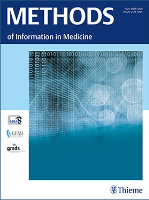
METHODS OF INFORMATION IN MEDICINE
Catalyzing Change in Healthcare Through Information Excellence.METHODS OF INFORMATION IN MEDICINE, published by Georg Thieme Verlag KG, stands at the forefront of medical knowledge dissemination, pushing the boundaries of Advanced and Specialized Nursing, Health Informatics, and Health Information Management. Established in 1962, this prestigious journal has continuously evolved to address the dynamic landscape of healthcare and information technology, aiming to bridge the gap between clinical practice and innovative information technologies. With a robust impact factor reflected in its 2023 Scopus rankings, where it holds a commendable position in Q1 for Advanced Nursing, it serves as an invaluable resource for researchers, practitioners, and students alike. While it maintains a subscription-based access model, the journal fosters the exchange of pioneering methodologies and transformative ideas that are crucial for advancing healthcare delivery and improving patient outcomes. Explore the latest research, expert insights, and cutting-edge developments that solidify the journal’s role as a leader in the interdisciplinary approach to medicine and information systems.

Journal of Medical Signals & Sensors
Advancing Biomedical Technology for a Healthier TomorrowJournal of Medical Signals & Sensors, published by Wolters Kluwer Medknow Publications, is a pioneering platform in the fields of Biomedical Engineering, Computer Science, and Health Informatics, focusing on innovative research and advancements in medical technology. With an Open Access policy since 2012, the journal promotes widespread dissemination of knowledge, aiming to facilitate the sharing of vital insights and developments among researchers, healthcare professionals, and students globally. The journal has achieved commendable rankings in its various categories, including Q3 in Biomedical Engineering and Radiology, underscoring its importance in advancing health technology and informatics. Its commitment to rigorous peer review ensures that published works are of the highest quality, making it a valuable resource for those engaged in cutting-edge medical research. With annual publications planned through 2024, the Journal of Medical Signals & Sensors continues to expand its influence and relevance in a rapidly evolving scientific landscape.
IRBM
Elevating the Dialogue in Biomedical Engineering and BiophysicsIRBM, published by Elsevier Science Inc, stands at the forefront of research in the domains of Biomedical Engineering and Biophysics, boasting impressively high rankings with a Q1 category in both fields according to the 2023 evaluations. With an effective focus on cutting-edge innovations and methodologies, IRBM provides a vital platform for researchers, professionals, and students alike seeking to disseminate and access groundbreaking findings and developments. Its strong presence in the Scopus database, with ranks of #12 in Biochemistry, Genetics and Molecular Biology and #42 in Biomedical Engineering, places it in the top percentile of impactful journals in the field, making it a crucial resource for advancing knowledge and fostering collaboration. While the journal maintains a traditional subscription model, it continues to attract a diverse readership eager for insightful studies and reviews that push the boundaries of science and engineering. With a projected convergence of years extending to 2024, IRBM promises to remain a significant contributor to the ongoing dialogue in the life sciences.

BMJ Health & Care Informatics
Fostering Collaboration for a Healthier TomorrowBMJ Health & Care Informatics, published by the esteemed BMJ Publishing Group, stands at the forefront of the rapidly evolving field of health informatics. Established as an Open Access journal in 2019, it is dedicated to disseminating high-quality research that enhances the integration of health care with information technologies. With a prominent Q1 ranking in 2023 across categories such as Computer Science Applications, Health Informatics, and Health Information Management, this journal serves as an essential resource for researchers and practitioners alike. The journal is indexed in reputable databases and boasts impressive Scopus ranks—notably, it is placed #43 among Health Informatics journals. The aim is to foster innovation and understanding in health care practices through rigorous research and collaboration. Encompassing a wide spectrum of topics within health data science, usability, and outcomes research, BMJ Health & Care Informatics is pivotal for anyone involved in advancing health care through technology.
JAMIA Open
Bridging technology and health for impactful solutions.JAMIA Open is an open-access journal dedicated to advancing the field of health informatics, published by Oxford University Press. Since its inception in 2018, the journal has provided a platform for novel research, reviews, and case studies that bridge the gap between healthcare and information technology. With an impressive impact factor and a current classification in the Q2 quartile for Health Informatics, JAMIA Open has established itself as a vital resource for researchers and practitioners alike, facilitating the dissemination of innovative findings that contribute to the evolution of healthcare systems. Based in the United States, the journal is committed to providing free and equitable access to high-quality research, thus promoting a collaborative and informed approach to tackling pressing health issues. As it continues to grow and evolve, JAMIA Open remains a cornerstone in the landscape of health informatics, appealing to a diverse audience of researchers, professionals, and students looking to inspire change in their fields.