Indian Journal of Hematology and Blood Transfusion
metrics 2024
Advancing Hematology: Unveiling Insights for Better Blood Health
Introduction
Indian Journal of Hematology and Blood Transfusion, published by SPRINGER INDIA, serves as a leading platform for disseminating original research, reviews, and case studies in the field of hematology. With an ISSN of 0971-4502 and E-ISSN 0974-0449, this journal has been instrumental in advancing knowledge from 2000 to 2024, providing insights into critical issues surrounding blood disorders and transfusion practices. Currently ranked in the Q3 category for Hematology for 2023, it reflects a commitment to high-quality scientific content amidst a competitive landscape where it ranks 97/137 in Scopus for Medicine - Hematology, placing it in the 29th percentile of its peers. The journal primarily addresses a diverse readership, including researchers, healthcare professionals, and students, aiming to foster innovation and collaboration within the field. Although it operates under a subscription model, access options for individual articles and institutional subscriptions ensure that valuable research is disseminated widely to enhance medical practice and education in hematology.
Metrics 2024
 0.270.701.0022
Metrics History
Rank 2024
Scopus
IF (Web Of Science)
JCI (Web Of Science)
Quartile History
Similar Journals
AMERICAN JOURNAL OF HEMATOLOGY
Leading the Charge in Hematology InnovationAmerican Journal of Hematology, published by Wiley, stands as a premier outlet for the dissemination of cutting-edge research in the field of hematology. With a commendable impact factor and ranked #9 out of 137 in the Scopus medicine category, this journal has established a robust presence since its inception in 1976. Operating in the Q1 quartile for hematology, it serves as a crucial resource for researchers, clinicians, and students dedicated to understanding blood disorders and advancing treatment methodologies. While the journal does not currently offer open access options, it remains highly regarded for its rigorous peer-review process and impactful contributions to the scientific community. With coverage extending into 2024, the American Journal of Hematology is committed to fostering innovation and collaboration within the hematological sciences.
BLOOD
Empowering Research in Blood Disorders.BLOOD, published by the American Society of Hematology, is a premier peer-reviewed journal in the fields of Biochemistry, Cell Biology, Hematology, and Immunology. With an impressive impact factor and ranking in the top quartiles (Q1) across multiple disciplines, BLOOD is essential reading for researchers and professionals seeking to stay updated on the latest advancements in hematology and related fields. The journal has been a cornerstone of hematological research since its inception in 1946, providing a platform for rigorous scientific inquiry and discourse. Its commitment to publishing high-quality original research, comprehensive reviews, and insightful editorials makes it a vital resource for students, practitioners, and scientists alike. By offering exceptional access to influential publications, BLOOD continues to shape the future of hematology and enhance understanding of blood-related disorders, marking its vital role in advancing both basic and clinical research.
VOX SANGUINIS
Pioneering Insights in Blood Disorders and TherapiesVOX SANGUINIS is a distinguished peer-reviewed journal in the fields of Hematology and Medicine, published by Wiley, a leading academic publisher based in the United Kingdom. With a rich history dating back to its inception in 1952, this journal has consistently provided a platform for innovative research and insightful reviews, advancing the understanding of blood-related disorders and therapies. As evidenced by its robust performance—ranking #57 out of 137 in Scopus for Medicine in Hematology and holding a Q2 classification in both Hematology and miscellaneous Medicine categories—VOX SANGUINIS is recognized for its significant contributions to the scientific community. This journal serves as a vital resource for researchers, professionals, and students alike, fostering knowledge exchange and collaboration within the field. With its ongoing commitment to quality and integrity, VOX SANGUINIS continues to shape the future of hematological research well into 2024 and beyond.
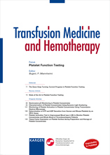
TRANSFUSION MEDICINE AND HEMOTHERAPY
Elevating the standards of hemotherapy and transfusion practices.TRANSFUSION MEDICINE AND HEMOTHERAPY, published by KARGER, is a prominent journal dedicated to advancing the fields of hematology and transfusion medicine. With an ISSN of 1660-3796 and E-ISSN 1660-3818, this esteemed journal has been a valuable resource for researchers and clinicians since its inception in 1973, with significant publication phases continuing into 2024. It currently holds a Q2 ranking in Hematology and a Q3 ranking in Immunology and Allergy, reflecting its impact and relevance in these critical fields. The journal features original articles, reviews, and clinical studies, presenting cutting-edge research that aids in the development of effective therapies and enhances patient care. Open access options are available, ensuring that crucial findings are accessible to a broad audience. As an important platform for dialogue and advancement in transfusion science, TRANSFUSION MEDICINE AND HEMOTHERAPY supports the global health community's efforts to improve treatment outcomes and foster innovation in medical practices.
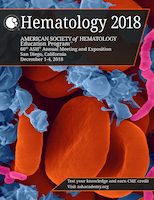
Hematology-American Society of Hematology Education Program
Navigating the Future of Hematology TogetherHematology-American Society of Hematology Education Program is a premier peer-reviewed journal dedicated to advancing the field of hematology through comprehensive educational content. Published by the American Society of Hematology, this journal plays a crucial role in disseminating knowledge to researchers, clinicians, and students in hematology and related disciplines. With an impressive Q1 status in the field, it ranks among the top journals at the forefront of hematological research, as evidenced by its 60th percentile ranking in Scopus' Medicine - Hematology category. Although it does not offer open access, the journal provides invaluable insights and educational resources from leading experts, focusing on the latest advancements, treatment protocols, and evolving understanding of blood disorders. Covering a wide range of topics, from basic research to clinical applications, this journal is essential for anyone seeking to deepen their expertise and stay informed on the latest developments in hematology. For further engagement, readers can access insightful articles published since 2001, ensuring a rich repository of knowledge for ongoing research and clinical excellence.
TRANSFUSION MEDICINE REVIEWS
Shaping the future of hematology and biochemistry.TRANSFUSION MEDICINE REVIEWS is a prestigious journal dedicated to the advanced study of transfusion medicine and its related fields, published by W B SAUNDERS CO-ELSEVIER INC. With an outstanding reputation, it boasts an impressive impact factor and consistently ranks in the top quartile (Q1) across multiple categories, including Biochemistry (Medical), Clinical Biochemistry, and Hematology. Researchers will find valuable insights through its extensive coverage of pertinent topics, with a focus on the integration of clinical practices and laboratory science. While the journal does not currently offer open access, its content remains accessible through various institutional subscriptions, ensuring that vital information is available to the global scientific community. With a continuous publication history from 1987 to 2024, TRANSFUSION MEDICINE REVIEWS serves as a vital resource for academics, healthcare professionals, and students who seek to stay abreast of the latest research findings and clinical practices in transfusion medicine.
TRANSFUSION CLINIQUE ET BIOLOGIQUE
Innovating transfusion medicine with every publication.TRANSFUSION CLINIQUE ET BIOLOGIQUE, an esteemed journal published by Elsevier France - Éditions Scientifiques Médicales Elsevier, has been a pivotal resource in the fields of transfusion medicine, biochemistry, and hematology since its inception in 1994. With a strong commitment to advancing scientific knowledge, this journal provides a platform for high-quality research and clinical studies aimed at improving patient care and outcomes in transfusion practices. Although categorized in Q3 and Q4 quartiles across multiple categories in Biochemistry and Medicine for 2023, the journal holds significant potential for growth and impact within the scientific community. While it currently does not offer open access options, its indexing in reputable databases ensures visibility and reach among professionals and researchers. As the field evolves, TRANSFUSION CLINIQUE ET BIOLOGIQUE aims to continue fostering innovation and collaboration, making it a valuable tool for anyone involved in medical, biochemical, and hematological research.

Journal of Blood Medicine
Pioneering Discoveries: Shaping the Future of HematologyThe Journal of Blood Medicine, published by DOVE MEDICAL PRESS LTD, stands as a vital resource in the field of hematology, focusing on the latest research developments and clinical advancements in blood medicine. With an impact factor reflective of its growing relevance, this open-access journal has been delivering quality scholarly work since 2010, ensuring that critical research is readily available to the global scientific community. The journal operates under an open-access model, further enhancing its dissemination and accessibility to researchers, professionals, and students alike. In the 2023 rankings, it secured a Q3 category status within hematology and achieved a commendable 76th rank out of 137 in Scopus listings, indicating its commitment to quality and innovation in this specialized area. Located in New Zealand, the journal's diverse topics encompass clinical research, treatment modalities, and emerging therapies, contributing significant insights vital for shaping future advancements in blood medicine.
Blood Science
Exploring the Frontiers of Blood ScienceBlood Science is a distinguished peer-reviewed journal published by Lippincott Williams & Wilkins, focusing on the dynamic field of hematology. Since its inception, the journal has aimed to disseminate high-quality research and innovative findings that contribute to our understanding of blood-related health issues. With the ISSN 2543-6368, it offers a platform for academic discussions and breakthroughs in various subfields including hematopathology, blood disorders, and transfusion medicine. As of 2023, Blood Science is ranked in the third quartile (Q3) within the hematology category, indicating a burgeoning influence among its peers, with a Scopus rank of #101 out of 137 journals, placing it in the 26th percentile. Although it is not an open-access journal, it provides essential insights and valuable data for researchers, healthcare professionals, and students alike, enhancing the collective knowledge and practices in hematology. With a publication period spanning from 2019 to 2024, Blood Science remains committed to fostering the advancement of blood science research and enhancing patient care methodologies.
BRITISH JOURNAL OF HAEMATOLOGY
Pioneering Insights in Blood Disorders and TreatmentsBritish Journal of Haematology, published by Wiley, is a leading journal in the field of hematology, with an impressive impact factor reflecting its significance in the medical research community. Established in 1955, the journal has consistently contributed to advancing knowledge in hematology, currently holding a prestigious Q1 ranking in the Scopus category of Hematology, placing it in the top 18% of the field. The journal encompasses a broad range of topics including clinical and laboratory aspects of blood disorders and hematological malignancies, making it an essential resource for hematologists, researchers, and healthcare professionals. With its commitment to publishing top-tier research and clinical studies, the British Journal of Haematology plays a critical role in shaping treatment approaches and improving patient outcomes worldwide. Please note that this journal does not offer Open Access options, ensuring that published content is rigorously curated for quality and relevance.