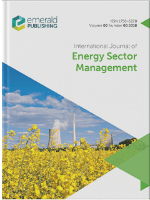
International Journal of Energy Sector Management
Scope & Guideline
Shaping Tomorrow's Energy Strategies Today.
Introduction
Aims and Scopes
- Energy Sustainability and Transition:
The journal emphasizes research on sustainable energy solutions, including renewable energy technologies, energy efficiency, and strategies to transition from fossil fuels to low-carbon alternatives. - Economic and Policy Analysis:
A core focus is on the economic implications of energy policies, investments, and market dynamics. This includes assessments of financial performance in the energy sector and the impact of regulatory frameworks. - Technological Innovations in Energy:
The journal highlights the role of technological advancements, such as smart grids, blockchain, and IoT, in enhancing energy efficiency and management. - Social and Environmental Impacts:
Research addressing the social dimensions of energy, including energy poverty, community engagement, and the intersection of energy with social equity and environmental sustainability, is a significant area of focus. - Global and Regional Energy Dynamics:
The journal covers comparative studies and analyses of energy systems across different regions, examining the interplay between local contexts and global energy trends.
Trending and Emerging
- Integration of Renewable Energy Technologies:
There is a significant uptick in research examining the integration of renewable energy technologies into existing infrastructures, driven by the need for sustainable energy solutions. - Climate Change and Energy Policy Intersections:
Studies exploring the nexus between climate change policy and energy security are increasingly prominent, emphasizing the urgent need to address environmental concerns within energy frameworks. - Behavioral and Social Aspects of Energy Consumption:
Emerging research is focusing on understanding consumer behavior related to energy use, including acceptance of renewable technologies and the impact of social factors on energy efficiency. - Financial Mechanisms for Energy Transition:
There is growing interest in exploring innovative financing models, such as green bonds and public-private partnerships, to support the transition towards sustainable energy systems. - Data-Driven Energy Management Solutions:
The use of data analytics and artificial intelligence in optimizing energy management and consumption is a rapidly growing theme, reflecting advancements in technology and big data applications.
Declining or Waning
- Traditional Fossil Fuel Analysis:
Research centered on the analysis of traditional fossil fuel markets, such as oil and coal, has seen a decline as the focus shifts towards renewable energy and sustainability. - Basic Energy Consumption Studies:
There is a noticeable reduction in studies that simply correlate energy consumption with economic growth without integrating advanced models or considering sustainability implications. - Limited Scope on Energy Infrastructure:
Research specifically focused on outdated energy infrastructure without considering modernization and technological upgrades appears to be declining, reflecting a shift towards more innovative energy solutions.
Similar Journals
RENEWABLE & SUSTAINABLE ENERGY REVIEWS
Transforming Energy Insights into ActionRENEWABLE & SUSTAINABLE ENERGY REVIEWS is a premier interdisciplinary journal published by Pergamon-Elsevier Science Ltd that focuses on cutting-edge research and reviews in the field of renewable energy and sustainability. With an esteemed impact factor, the journal stands out in Q1 category rankings for Renewable Energy, Sustainability, and the Environment, holding a remarkable rank of #7 out of 270 in Scopus with a 97th percentile rating. Since its inception in 1997, it has provided a vital platform for scholars and practitioners to disseminate knowledge, share innovative solutions, and discuss the technological advancements needed to foster a sustainable energy future. Although not currently offering open access, the journal ensures valuable insights are available to its audience, contributing enormously to the global discourse on renewable energy policy and practice. The journal is vital for anyone interested in the dynamics of sustainability in energy systems, as it bridges the gap between academia and practical application.
Energy Technology
Transforming Energy Challenges into OpportunitiesEnergy Technology, published by Wiley-VCH Verlag GmbH, is a prominent peer-reviewed journal dedicated to advancing the field of energy research and technology. With an ISSN of 2194-4288 and an E-ISSN of 2194-4296, this journal has made a significant impact in the energy sector, holding a Q2 category ranking in the Energy (miscellaneous) category for 2023, and proudly positioned in the 77th percentile within the Scopus ranking for General Energy. Since its inception in 2013, Energy Technology has consistently published cutting-edge research, innovations, and reviews that cater to a wide array of topics including renewable energy, sustainable technologies, and energy efficiency. The journal does not offer open access, yet it remains a key resource for researchers, professionals, and students who are committed to exploring the dynamic field of energy. The journal's efforts to disseminate rigorous scholarship make it an invaluable asset for anyone looking to contribute to or understand the future of energy-related technologies until 2024.
INTERNATIONAL JOURNAL OF GLOBAL ENERGY ISSUES
Empowering Innovations in Global Energy ResearchThe INTERNATIONAL JOURNAL OF GLOBAL ENERGY ISSUES, published by INDERSCIENCE ENTERPRISES LTD, stands as a vital platform for disseminating innovative research in the fields of energy engineering, nuclear energy, and renewable sustainability. With ISSN 0954-7118 and E-ISSN 1741-5128, this journal has been catering to the energy sector since 1989, advancing scholarly dialogue through critical analyses and discussions of emerging energy technologies and policies. Though currently categorized in the fourth quartile across various energy-related disciplines, the journal aims to bridge knowledge gaps and offer insights that challenge the status quo. Operating from its headquarters in the United Kingdom and accessible to a global audience, the journal encourages submissions that drive interdisciplinary research and provide solutions for pressing global energy challenges. Researchers, professionals, and students alike are invited to contribute and engage with this prestigious journal to influence the future of energy practices.
Journal of World Energy Law & Business
Innovating Solutions for Energy Law and BusinessJournal of World Energy Law & Business is a premier academic journal published by Oxford University Press, focused on the intersection of energy law, business, and environmental policy. Established in 2012, this journal provides a critical platform for scholars, practitioners, and policymakers to discuss pressing energy issues on a global scale, fostering interdisciplinary dialogue and innovation. With an impactful 2023 Quartile Ranking of Q2 in Law and Q3 in Energy and Management, the journal plays a vital role in shaping discourse surrounding legal frameworks, regulatory challenges, and business practices in the energy sector. Researchers and professionals in the field will find valuable insights in its thoughtfully curated articles, which reflect current trends and developments through rigorous scholarship. Despite the absence of open-access options, the journal remains an essential resource for those who seek to navigate the complexities of energy law and policy.
Energy Sustainability and Society
Transforming energy discourse for a resilient society.Energy Sustainability and Society is a leading open-access journal published by BMC, focusing on the critical intersections of energy sustainability and societal impacts. With an impressive Impact Factor and notable rankings—including Q1 in both Development and Energy Engineering, as well as Q2 in Renewable Energy, Sustainability, and the Environment—this journal serves as a pivotal platform for researchers, professionals, and students exploring innovative solutions to energy challenges. Since its inception in 2011, the journal has consistently provided high-quality research and insights, contributing significantly to the fields of energy policy, renewable technologies, and sustainable development. Access options are fully open-access, ensuring that research is freely available to foster collaboration and knowledge-sharing across disciplines. The journal’s commitment to publishing cutting-edge research underscores its importance in shaping a sustainable energy future.

Journal of Power Technologies
Driving Efficiency in Energy Production and TransmissionJournal of Power Technologies is a prestigious academic journal dedicated to advancing the field of power engineering, specifically focusing on innovative technologies and methodologies related to energy production, transmission, and efficiency. Published by the renowned Warsaw University of Technology, Institute of Heat Engineering, this journal is committed to disseminating high-quality research that addresses the challenges and opportunities in the energy sector. Although currently not open access, the journal provides extensive subscription options for access to its comprehensive range of articles. With an emphasis on original research, case studies, and reviews, the Journal of Power Technologies serves as a vital resource for researchers, practitioners, and students alike, aiming to shape the future of sustainable power systems and contribute significantly to the global energy discourse. The journal continues to foster an academic environment where innovation in power technology is highlighted and celebrated, supporting the ongoing quest for sustainable energy solutions.
APPLIED ENERGY
Pioneering advancements in energy management and sustainability.APPLIED ENERGY, published by Elsevier Science Ltd, is a leading journal dedicated to the advancing field of energy research, focusing on practical engineering solutions to contemporary challenges in energy management, sustainability, and environmental impact. With a rigorous peer-review process and a strong commitment to promoting innovative research, APPLIED ENERGY proudly holds multiple Q1 rankings across various categories, including Building and Construction, Civil and Structural Engineering, and Renewable Energy, reflecting its prestigious position within the academic community. Researchers and professionals can benefit from its comprehensive scope, covering topics that span from policy and technology to market dynamics. Although it is not an open-access journal, it provides access options that facilitate research dissemination. With its historical significance since 1975 and an ambitious outlook up to 2025, APPLIED ENERGY continues to be an essential resource for anyone looking to stay at the forefront of energy research and application.
Journal of Renewable and Sustainable Energy
Shaping Sustainable Futures Through ResearchThe Journal of Renewable and Sustainable Energy, published by AIP Publishing, stands at the forefront of research in the fields of renewable energy and sustainable practices. With an ISSN of 1941-7012, this journal aims to foster innovative research and exchange of knowledge on sustainable technologies and methodologies that contribute to environmental conservation and energy efficiency. Achieving a prestigious Q2 ranking in the category of Renewable Energy, Sustainability, and the Environment, it ranks 135 out of 270 journals in Scopus, signifying its impactful contributions to the field. The journal, active from 2010 to 2024, provides a platform for authors, analysts, and practitioners to disseminate significant findings that can shape future environmental policies and energy frameworks. Although not currently an Open Access publication, it remains an essential resource for researchers dedicated to advancing sustainable development and energy solutions.

Technology and Economics of Smart Grids and Sustainable Energy
Bridging Technology and Economics for a Greener Tomorrow.Technology and Economics of Smart Grids and Sustainable Energy, published by SPRINGERNATURE, is an esteemed open-access journal that has been critically influential in the interdisciplinary field of energy economics and smart grid technologies since its inception in 2016. Though the journal's coverage has been discontinued in Scopus, it has made considerable strides in providing a platform for innovative research and discussions on the socio-economic implications of sustainable energy systems. As it garners attention within the academic community, it proudly ranks in the 72nd percentile among Economics and Econometrics and showcases significant contributions in Renewable Energy and Sustainability. Researchers, professionals, and students will find this journal an invaluable resource for understanding the evolving technologies and economic frameworks that underpin the global shift towards smart grids and sustainable energy solutions. With the journal's focus on promoting knowledge dissemination, it stands at the forefront of educational advancement in this vital domain, embracing diverse perspectives and fostering collaboration across disciplines.

Frontiers in Energy Research
Illuminating the future of energy research.Frontiers in Energy Research is a prestigious open-access journal published by FRONTIERS MEDIA SA, dedicated to advancing knowledge in the diverse fields of energy research. Launched in 2013, the journal has established itself as a pivotal platform for disseminating high-quality research, particularly in areas such as Economics and Econometrics, Energy Engineering and Power Technology, and Renewable Energy, Sustainability and the Environment. With a notable impact factor and impressive quartile rankings, including Q2 in multiple categories and a reputation for rigorous peer review, Frontiers in Energy Research offers researchers, professionals, and students alike a vital resource for exploring the latest innovations and insights in energy studies. Operating from its base in Lausanne, Switzerland, this journal is committed to enhancing open accessibility to relevant research, significantly contributing to the global dialogue on energy solutions and sustainability.