
International Journal of Geophysics
Scope & Guideline
Exploring Earth's Mysteries through Open Access Research
Introduction
Aims and Scopes
- Geophysical Methods and Techniques:
The journal emphasizes the application of various geophysical methods, including seismic, magnetic, electrical, and gravity techniques, to study subsurface structures and processes, making significant contributions to the fields of geophysics and geology. - Natural Disaster Research and Monitoring:
A core focus of the journal is the investigation of natural disasters, such as earthquakes and extreme weather events, through geophysical data analysis, enhancing predictive capabilities and understanding the underlying mechanisms. - Environmental and Resource Geophysics:
The journal addresses environmental issues and resource exploration, including groundwater assessment and geothermal energy potential, highlighting the role of geophysics in sustainable development and resource management. - Geophysical Impacts of Climate Change:
The journal explores the implications of climate change on geological and geophysical phenomena, providing insights into how changing environmental conditions affect natural processes and disaster triggers.
Trending and Emerging
- Advanced Data Analysis Techniques:
The journal is increasingly publishing studies that utilize advanced data analysis methods, such as machine learning and artificial intelligence, particularly in seismic monitoring and interpretation, which enhance the accuracy and efficiency of geophysical assessments. - Climate Change and Natural Disasters:
There is a growing focus on the intersection of climate change and natural disaster research, as evidenced by studies examining extreme weather patterns and their geological impacts, highlighting the importance of understanding these phenomena in the context of global climate change. - Geophysical Applications in Urban Planning:
Emerging themes include the application of geophysical methods in urban environments, particularly for infrastructure development and disaster risk assessment, which is becoming increasingly relevant in rapidly urbanizing regions. - Integration of Remote Sensing and Geophysical Methods:
The trend towards integrating remote sensing technologies with traditional geophysical methods is evident, as researchers seek to enhance subsurface exploration and environmental monitoring capabilities.
Declining or Waning
- Traditional Geological Surveys:
There has been a noticeable decline in papers focused on traditional geological survey methods, as newer technologies and interdisciplinary approaches gain traction, leading to a reduced emphasis on conventional fieldwork. - Purely Theoretical Studies:
The journal is moving away from purely theoretical studies that do not incorporate empirical data or practical applications, indicating a shift towards more applied geophysics that directly addresses real-world issues. - Hydrocarbon Exploration Focus:
Research specifically centered on hydrocarbon exploration appears to be waning, likely due to a growing emphasis on renewable energy sources and environmental sustainability, which align more closely with current global priorities.
Similar Journals

Riset Geologi dan Pertambangan
Advancing the frontiers of geology and mining research.Riset Geologi dan Pertambangan is an esteemed open-access journal published by the Indonesian Institute of Sciences, R&D Centre Biology, dedicated to advancing research in the fields of geology and mining. With an ISSN of 0125-9849 and an E-ISSN of 2354-6638, this journal has been fostering the dissemination of knowledge since 2005, ensuring that critical findings are accessible to a global audience. The journal serves as an important platform for researchers, professionals, and students to share innovative research, methodologies, and case studies that contribute to sustainable mining practices and geological advancements. By promoting interdisciplinary collaboration and the latest developments in the field, Riset Geologi dan Pertambangan plays a vital role in shaping the future of geology and mining research, particularly within the Southeast Asian context.
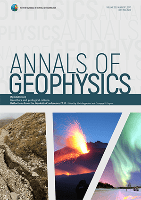
ANNALS OF GEOPHYSICS
Unlocking the Secrets of Our Planet's DynamicsANNALS OF GEOPHYSICS is a prestigious open access journal dedicated to the advancement and dissemination of research in the field of geophysics. Published by the IST NAZIONALE DI GEOFISICA E VULCANOLOGIA in Italy, this journal has embraced open access since its inception in 1948, promoting wide accessibility to cutting-edge research. With an impressive Scopus ranking, placing it in the 52nd percentile within Earth and Planetary Sciences for the category of Geophysics, the journal serves as a vital platform for scholars, researchers, and practitioners seeking to explore the intricate phenomena of our planet. Covering a diverse range of topics in the geophysical community, the ANNALS OF GEOPHYSICS invites contributions that push the boundaries of our knowledge and understanding of geophysical processes, aiding in the development of innovative solutions to urgent environmental challenges. Published continuously from 2002 to 2024, the journal’s commitment to quality and rigor is reflected in its Q3 quartile ranking for 2023, making it a notable resource for the academic community.
MARINE GEOPHYSICAL RESEARCH
Pioneering research in marine geophysical phenomena.MARINE GEOPHYSICAL RESEARCH is a prominent journal published by Springer, dedicated to advancing the field of marine geophysics, with significant contributions to geochemistry, petrology, and oceanography. Established in 1970 and currently running its volumes until 2024, this journal operates as a key resource for researchers and professionals focused on understanding the complexities of marine environments and geological processes. With a strong foothold in academic rankings—positioned in Q2 for both Geophysics and Oceanography, and Q3 for Geochemistry and Petrology in the 2023 category quartiles—MARINE GEOPHYSICAL RESEARCH provides a rigorous platform for high-quality research dissemination. Although not an open-access journal, it offers invaluable insights into marine geophysical phenomena, thus appealing to a diverse audience of scholars and practitioners. The journal’s relevance and impact are further underscored by its Scopus ranks, situating it competitively within the Earth and Planetary Sciences domain. Researchers and students seeking to stay abreast of cutting-edge developments and methodologies in marine geophysics will find it an essential addition to their academic resources.

Geofizika
Charting New Territories in Earth SciencesGeofizika, an esteemed journal published by the Andrija Mohorovičić Geophysical Institute at the University of Zagreb, presents a significant platform for research in the fields of geophysics and Earth sciences. With an Open Access model established since 1984, this journal ensures that scientific knowledge is accessible to a broad audience, encouraging collaborations and the free exchange of ideas. Geofizika has steadily evolved through its converging years from 1989 to 1999 and has been active from 2003 to the present, reflecting its commitment to advancing geophysical research. The journal has been recognized for its contributions to Earth and Planetary Sciences and has acquired respectable ranks in various categories; notably, it holds a Q4 status in Geophysics as of 2023. Researchers, professionals, and students will find Geofizika a valuable resource for the latest discoveries and methodologies in geophysics, supporting the academic community in expanding the frontiers of knowledge in these vital scientific domains.
Geophysics
Advancing Geophysical Knowledge for a Sustainable FutureGeophysics, published by the SOC EXPLORATION GEOPHYSICISTS - SEG, is a prestigious journal notable for its significant contributions to the fields of geophysics, geochemistry, and petrology. Since its inception in 1936, this journal has consistently provided a platform for high-quality research, maintaining a strong impact within the academic community, evidenced by its Q1 ranking in these important scientific categories for 2023. With an ISSN of 0016-8033 and an e-ISSN of 1942-2156, it features rigorous peer-reviewed articles that address the latest advancements in geophysics and related disciplines, contributing to a deeper understanding of Earth processes. Although it does not offer open access options, the journal ensures broad dissemination of knowledge and remains essential for researchers, professionals, and students dedicated to exploring energy resources and geophysical phenomena. Its Scopus rankings, including a commendable 22nd out of 165 in Earth and Planetary Sciences for Geophysics, affirm its importance and reach in the academic community. In addition to fostering scholarly discourse, Geophysics plays a critical role in advancing the practical applications of geophysical research, making it a vital resource for those engaged in exploration and environmental studies.
Journal of Geophysics and Engineering
Exploring the Intersection of Earth Sciences and Engineering InnovationJournal of Geophysics and Engineering, published by Oxford University Press, stands as a pivotal platform for the dissemination of innovative research in the interdisciplinary fields of geology, geophysics, and engineering. Since its inception in 2004, this Open Access journal has focused on advancing the understanding of geophysical phenomena and their applications in engineering, receiving a commendable Q2 ranking in multiple categories for 2023, including Geology and Geophysics. With an impressive Scopus ranking reflecting its influence—such as a 143rd position in Earth and Planetary Sciences: Geology—this journal is essential for researchers, professionals, and students seeking to engage with cutting-edge advancements and policy discussions in these critical areas. The journal’s commitment to fostering knowledge and collaboration within the global scientific community positions it as a must-read for those dedicated to furthering geophysical and engineering sciences.

IEEE Geoscience and Remote Sensing Letters
Fostering Breakthroughs in Earth and Planetary SciencesIEEE Geoscience and Remote Sensing Letters is a distinguished journal published by the IEEE-INST ELECTRICAL ELECTRONICS ENGINEERS INC, focusing on the cutting-edge realms of geoscience and remote sensing. Since its inception in 2004, the journal has maintained a significant role within its field, achieving a robust impact factor that places it in the Q1 category for both Electrical and Electronic Engineering and Geotechnical Engineering and Engineering Geology, reflecting its high-quality research output and influence. The journal is highly ranked in Scopus, securing the 35th position in Earth and Planetary Sciences and the 154th position in Engineering, showcasing its broad academic reach and engagement with current advancements in technology and earth sciences. Although the journal is not open access, it remains accessible to a wide readership, fostering an environment for innovation and knowledge sharing among researchers, professionals, and students interested in remote sensing technologies and geosciences. With its objective to publish concise articles that present significant results and advancements, IEEE Geoscience and Remote Sensing Letters continues to be a vital resource for anyone engaged in these dynamic fields.

Journal of Earth System Science
Transforming Understanding of Earth SystemsThe Journal of Earth System Science, published by Indian Academy of Sciences, is a pivotal resource in the field of Earth and Planetary Sciences, boasting an impressive Q2 ranking in 2023. Since its inception in 2005, this journal has been dedicated to advancing our understanding of complex Earth systems, publishing high-quality research that spans across various disciplines within the geosciences. With an E-ISSN of 0973-774X and a commitment to Open Access, it makes cutting-edge scientific insights widely available to researchers and professionals alike. The journal serves as a vital platform for innovative research and critical discussions, making significant contributions to the global scientific community, particularly as we navigate the challenges posed by climate change and environmental sustainability. Located in Bangalore, India, it continues to foster international collaboration and discourse among scholars, reinforcing its role as an essential publication within the Earth and Planetary Sciences domain.

Near Surface Geophysics
Unveiling Earth's Secrets through Cutting-edge Geophysical ResearchNear Surface Geophysics is a prominent journal published by WILEY, dedicated to the field of geophysics, particularly focusing on the innovative methodologies and techniques for subsurface exploration. With its ISSN 1569-4445 and E-ISSN 1873-0604, the journal has established itself as a reputable source of valuable research since its inception in 2003. The journal is currently ranked in the Q2 category within geophysics, reflecting its significant contribution to the discipline, and boasts a commendable Scopus ranking, placing it at #57 out of 165 in Earth and Planetary Sciences. Aimed at researchers, professionals, and students alike, Near Surface Geophysics provides a platform for disseminating high-quality research that enhances our understanding of subsurface processes and applications, making it an essential resource for anyone involved in geophysical studies. Although it does not currently offer open access options, its dedication to advancing geophysical science continues to resonate strongly within the academic community.
TURKISH JOURNAL OF EARTH SCIENCES
Innovating Insights in Earth and Planetary SciencesTURKISH JOURNAL OF EARTH SCIENCES, published by the Tubitak Scientific & Technological Research Council Turkey, is a premier platform dedicated to advancing the field of Earth and Planetary Sciences. With an ISSN of 1300-0985, this journal has been a significant contributor to the international scientific community since its inception in 2002, and is set to continue publishing groundbreaking research through 2024. As a recognized journal in the Q2 quartile of Earth and Planetary Sciences, it ranks #98 out of 195 in its category according to Scopus metrics, positioning it within the 50th percentile of its field. The journal emphasizes peer-reviewed research, providing invaluable insights that facilitate scholarly discourse and promote rigorous investigation into various aspects of the Earth sciences. Although it does not currently offer open access, the journal remains a vital resource for academics, professionals, and students seeking to deepen their understanding of geological phenomena and contribute to the advancement of this essential discipline.