
INTERNATIONAL JOURNAL OF LEGAL MEDICINE
metrics 2024
Exploring Innovations in Legal Medicine and Pathology
Introduction
INTERNATIONAL JOURNAL OF LEGAL MEDICINE, published by SPRINGER, stands at the forefront of research in the fields of legal medicine, pathology, and forensic science. With an ISSN of 0937-9827 and an E-ISSN of 1437-1596, this esteemed journal has successfully maintained its reputation as a leading publication since its inception in 1990, providing a platform for the dissemination of cutting-edge research and case studies. The journal is recognized as a Q1 category publication in the 2023 Pathology and Forensic Medicine quartiles, ranking #44 out of 208 in its category on Scopus, reflecting its significant contribution to the academic community—demonstrated by its impressive 79th percentile. While the journal operates under a traditional subscription model, it is committed to enhancing access to critical insights in legal medicine. The INTERNATIONAL JOURNAL OF LEGAL MEDICINE invites researchers, professionals, and students to explore its manuscripts that shed light on the intersection of law and medicine, thus pushing the boundaries of what is known in these vital fields.
Metrics 2024
 0.892.202.2095
Metrics History
Rank 2024
Scopus
IF (Web Of Science)
JCI (Web Of Science)
Quartile History
Similar Journals

Egyptian Journal of Forensic Sciences
Bridging disciplines for a deeper understanding of justice.The Egyptian Journal of Forensic Sciences, published by the International Association of Law & Forensic Sciences, stands as a premier platform for scholarly communication in the fields of forensic science, law, and health-related social sciences. With an ISSN of 2090-536X and an E-ISSN of 2090-5939, this open-access journal, established in 2011, has garnered a reputation for its rigorous peer-review process and substantive contributions to the field. Housed in Switzerland, it boasts impressive metrics, achieving a Q2 ranking in Health (social science) and a stellar Q1 in Law, in addition to being recognized in Pathology and Forensic Medicine. With its articles accessible to a global audience, the journal encourages the exchange of innovative ideas and practices among researchers, professionals, and students who are dedicated to advancing the disciplines of forensic science and legal studies. As of 2023, it ranks in the 75th percentile in Social Sciences - Law and continues to influence both academic discourse and practical applications in the forensic domain.

MEDICINE SCIENCE AND THE LAW
Navigating the Nexus of Health and JusticeMEDICINE SCIENCE AND THE LAW is a prestigious journal published by SAGE PUBLICATIONS INC, focused on the intersection of law, health policy, and ethical issues as they pertain to medicine. With a long-standing history dating back to 1960, this journal has become a crucial platform for scholars and professionals alike to share and disseminate research that shapes the evolving legal landscape surrounding health care practices. It holds notable positions in the academic community, ranking in the Q3 category for Health Policy and Issues, Ethics and Legal Aspects, and achieving a distinguished Q1 ranking in Law as of 2023. With rigorous peer-review standards and a commitment to publishing high-quality research, MEDICINE SCIENCE AND THE LAW is invaluable for those exploring the critical legal challenges and ethical dilemmas faced within the healthcare sector. Research contributions are vital for informing policy and practice, ensuring that the journal remains a relevant and essential resource for researchers, practitioners, and students dedicated to the intersection of law and medicine.

Rechtsmedizin
Enhancing Understanding in Forensic DisciplinesRechtsmedizin is a prestigious academic journal published by Springer, focusing on the critical field of forensic medicine and pathology. With a legacy dating back to 1995, this journal serves as a vital platform for disseminating advanced research and clinical findings that enhance the understanding of legal medicine and forensic science. Although it currently does not offer open access, it boasts an impressive Q3 ranking in 2023 within its category, indicative of its contribution to the field, with a Scopus rank of #149 out of 208 in Medicine, placing it within the 28th percentile of its peers. As a dedicated resource for researchers, professionals, and students, Rechtsmedizin aims to bridge the gap between clinical practice and forensic investigation, promoting the integration of scientific advancements into everyday applications within the legal context. With its location in New York City, USA, the journal remains a key player in the global discourse on forensic issues, thus inviting submissions that push the boundaries of traditional forensic methodologies and explore innovative approaches in legal medicine.

International Journal of Digital Crime and Forensics
Connecting Scholars to Combat Digital CrimeWelcome to the International Journal of Digital Crime and Forensics, an esteemed publication spearheaded by IGI Global, dedicated to advancing research and disseminating knowledge in the crucial fields of cybersecurity, digital crime, and forensic analysis. With its inaugural issue published in 2009, this journal has continually focused on providing a platform for innovative research, insightful case studies, and practical solutions aimed at addressing contemporary challenges in digital criminal activity and forensic investigation. While currently classified in the Q4 Category for software within the Computer Science domain according to 2023 rankings, and positioned in the 32nd percentile of Scopus Ranks, the journal remains committed to enhancing its impact and visibility in the scholarly community. By maintaining a rigorous peer-review process, the journal ensures high-quality contributions that equip researchers, professionals, and students with essential tools and knowledge. Although the journal operates under a subscription model, it plays an integral role in shaping the discourse surrounding digital crime and forensics, making it an indispensable resource for anyone serious about understanding and combating digital threats.
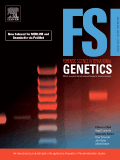
Forensic Science International-Genetics
Innovating Forensic Science with Genetic ExpertiseForensic Science International-Genetics, published by Elsevier Ireland Ltd, stands as a pivotal resource in the realm of forensic science, particularly focusing on the intricate interplay of genetics within legal contexts. With an E-ISSN of 1878-0326, this esteemed journal serves to advance the understanding of genetic applications in forensic scenarios, enhancing methodologies and promoting innovations in evidence analysis. Recognized in the 2023 Q1 quartile rankings in both Genetics and Pathology and Forensic Medicine, it has established itself as a leading journal, positioned in the 87th percentile in the field of Pathology and Forensic Medicine. The journal spans valuable research from 2007 to 2025, making it a critical chronicle of evolving forensic practices. Researchers, professionals, and students alike will find an extensive compendium of peer-reviewed articles that not only address current challenges in forensic genetics but also foster collaboration and innovation across the scientific community. As a non-open access journal, it ensures high-quality content while offering insights essential for both academic study and practical application in forensic investigations.

BEHAVIORAL SCIENCES & THE LAW
Fostering Dialogue Between Behavioral Science and Legal PracticeBehavioral Sciences & The Law is a premier interdisciplinary journal published by Wiley, dedicated to exploring the intricate relationships between behavioral sciences and legal systems. Established in 1983 and continuing through 2024, this journal provides a vital platform for researchers, professionals, and students in the fields of law, clinical psychology, medicine, and psychiatry. With an impressive impact factor reflected in its Q1 ranking in Law and Q3 in Clinical Psychology, Psychiatry, and Medicine, it stands out in the academic community, facilitating scholarly discourse and advancing understanding in these critical areas. While currently not following an open access model, the journal’s reach is extensive, delivering cutting-edge research and thought leadership from the United Kingdom to a global audience. Whether you are investigating the psychological dimensions of legal practice or the implications of law on behavioral health, Behavioral Sciences & The Law remains an essential resource for those committed to the intersection of these disciplines.
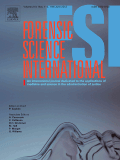
Forensic Science International
Bridging Disciplines for Enhanced Forensic PracticeForensic Science International is a premier journal published by Elsevier Ireland Ltd, dedicated to advancing the field of forensic science through interdisciplinary research and scholarship. Since its inception in 1978, this esteemed journal has provided a platform for vital research, receiving recognition in the Q1 category for both Law and Pathology and Forensic Medicine as of 2023, underscoring its significant impact in these domains. It currently ranks 54th out of 1025 journals in Social Sciences - Law and 51st out of 208 in Medicine - Pathology and Forensic Medicine, placing it in the top echelons of academic journals according to Scopus metrics. Forensic Science International transitioned to Open Access in 2019, ensuring that critical findings are widely available to the global research community and enhancing collaboration among forensic professionals. With a forward-looking scope that evolves to meet the challenges and innovations of forensic science, this journal remains a pivotal resource for researchers, practitioners, and students who are committed to the continued advancement of forensic science and its applications in legal contexts.
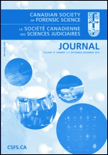
Canadian Society of Forensic Science Journal
Fostering Innovation in Forensic Pathology and MedicineThe Canadian Society of Forensic Science Journal, published by Routledge Journals, Taylor & Francis Ltd, serves as a vital platform for the dissemination of research in the field of forensic science, particularly focusing on pathology and forensic medicine. With a rich history since 1968 and an impressive commitment to academic rigor, this journal has established itself as an essential resource for researchers, practitioners, and students alike. Recognized within the Q3 category in the 2023 Scimago Journal Rank in Pathology and Forensic Medicine, it ranks #162 out of 208 journals in its category, affirming its relevance and contribution to the field. While it does not operate under an open access model, the journal remains accessible through institutions and libraries and provides critical insights into advancements and best practices in forensic science. Through its comprehensive approach, the journal aims to advance forensic knowledge and contribute to the professional development of those engaged in this pivotal area of study.

Radiologie
Transforming Healthcare with Advanced Imaging TechniquesRadiologie, published by SPRINGER HEIDELBERG, is an emerging journal dedicated to the fields of radiology, nuclear medicine, and imaging. With an ISSN of 2731-7048 and E-ISSN 2731-7056, this journal does not currently offer open access, providing a traditional yet respected platform for scholarly communication. Founded in 2022, it aims to advance the understanding of cutting-edge imaging techniques and their applications in clinical practice, contributing to improvements in diagnostic accuracy and patient care. Despite its recent establishment, Radiologie is positioned within the Q4 quartile category, reflecting its developing presence in the academic landscape, with a current Scopus rank of #231 out of 333 in its category. The journal serves as a vital resource for researchers, professionals, and students seeking to stay abreast of the latest developments in radiological science, imaging technology, and their clinical implications, ensuring ongoing engagement and advancement in this critical area of healthcare.

Journal of Forensic Psychology Research and Practice
Advancing Insights into Criminal Behavior and Legal Processes.Journal of Forensic Psychology Research and Practice is a distinguished publication within the fields of Applied Psychology and Pathology and Forensic Medicine, published by Routledge Journals, Taylor & Francis Ltd. With a commitment to advancing knowledge from 2017 to 2024, this journal aims to bridge theory and practice by showcasing empirical research, including case studies and innovative methodologies, that address the complexities of forensic psychology in contemporary settings. While it holds a respectable Q3 ranking in both Applied Psychology and Pathology and Forensic Medicine, making it a vital resource for scholars and practitioners alike, its insights contribute significantly to understanding the psychological aspects of criminal behavior and legal processes. Researchers, professionals, and students are encouraged to engage with its content to further their understanding and application of forensic psychology principles in real-world scenarios.